ScienceNot yet confirmed elsewhere1 publisher2 min readPublished
Heat-loving archaea carry the sulfur RNA backbone chemistry used in drugs, a Cell paper reports
Weizmann and Regensburg researchers report in Cell that heat-loving archaea carry natural RNA phosphorothioates, the backbone chemistry used in RNA drugs. Developers get a natural counterpart to study, and the paper's title also points to the enzymes that install the marks.
The Scientist · Science desk
What happened
- According to the researchers, hyperthermophilic archaea carry a particularly high number of modifications in their cellular RNAs, a first demonstration.
- Unlike organisms at moderate temperatures, these archaea carry numerous RNA modifications that vary with environmental conditions.
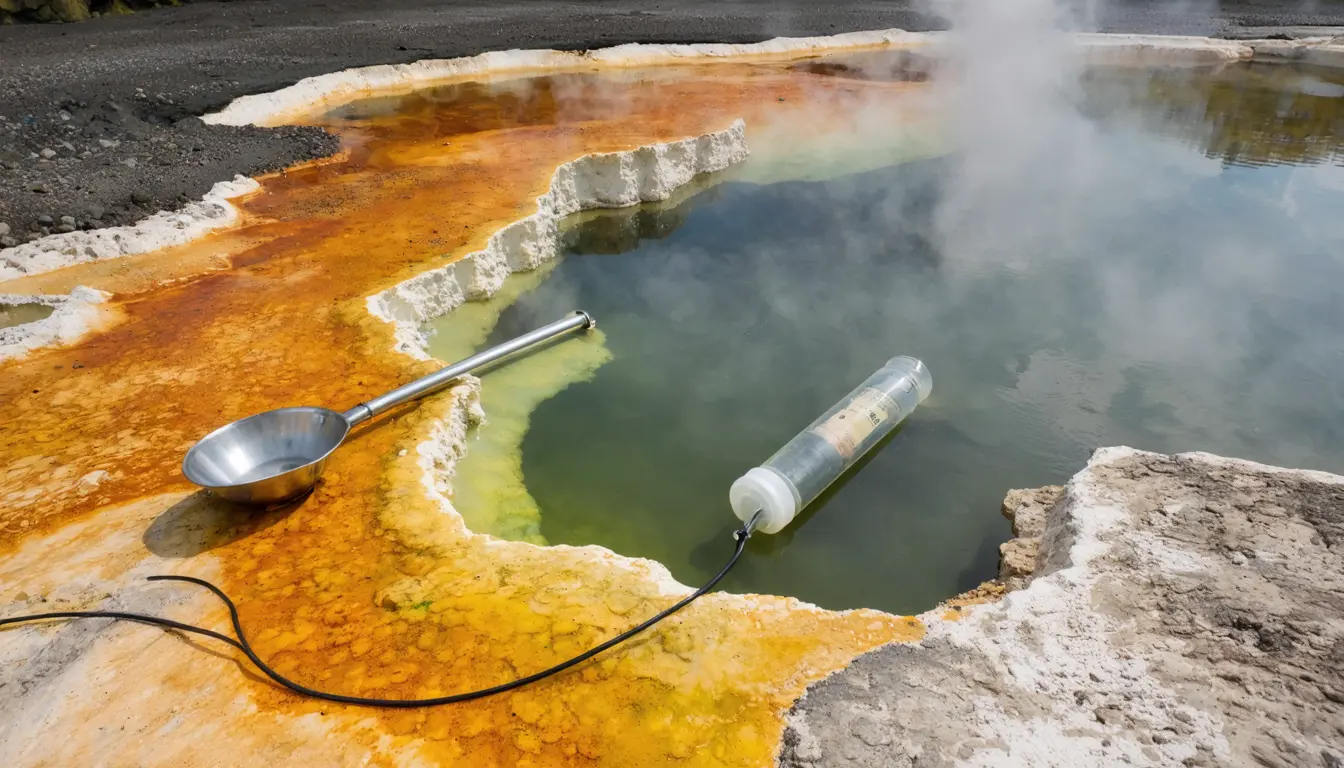
- RNA was isolated from several extremophilic archaea grown under controlled conditions from Regensburg's strain collection, and the Schwartz team analyzed it.
- In drug RNA, replacing a nonbridging backbone oxygen with sulfur protects the molecule from degradation by nucleases.
Why it matters
- precedent Backbone sulfur would follow 2'-O-methylation, a chemistry that RNA drugs use and that cells also make naturally, so natural RNA looks like a place to search for other drug chemistries.
- constraint Because the modifications vary with growth conditions, any replication or enzyme work has to control the culture setting, or the measured sulfur load will shift.
- capability If the writer enzymes are well characterized, RNA-drug developers gain natural enzymes to study, though the summary frames therapeutic use only as a possibility.
Growing the strains under fixed conditions is the right design for the environment claim, because a modification level can be tied to a setting only if the experimenter fixed that setting [4].
Grohmann framed the result as a matter of priority and function. "Archaea had already developed this chemical form of RNA stabilization before we made it usable for medical applications in the age of RNA therapeutics," she said [6]. The paper's title supports the first part: it reports natural RNA phosphorothioates and their writer machinery [1]. The function is less settled. In drugs, the sulfur protects against nucleases [5]. For the archaea, the summary says only that the work opens new perspectives on RNA stability under extreme conditions [9].
Modification that tracks conditions is a correlation until the writer is removed and the RNA's fate is measured. That test would show whether the sulfur is what keeps archaeal RNA intact in the heat. The phys.org summary does not say whether the paper runs it, why the levels move, how many species or modified sites were counted, or which enzymes are involved.
In our view, the near-term yield is a better account of how archaeal RNA copes with heat, if the stability link holds. Therapeutic use is a step further. According to the summary, the researchers say the findings could be useful in biotechnology for developing RNA-based therapeutics [10].
What to watch
- The Cell paper's methods and supplementary data: how many species and modified sites were counted, and which enzymes are named as writers.
- A knockout or similar test showing whether removing the writer enzymes changes archaeal RNA stability or heat survival.
- Any follow-up testing whether the archaeal writer enzymes can modify RNA outside archaea.
Clarity's read
What the record supports and how the coverage leans. The claims behind it follow.
Reality
- Evidence50
- Adoption
- Insufficient
- Hype gap+10
- Incentives
- Insufficient
- Confidence55
Claim ledger
Ranked by verification strength, evidence, and original report placement.
- [1]
Research by Schraga Schwartz of the Weizmann Institute of Science and Dina Grohmann of the University of Regensburg was published in Cell under the title "Phosphate backbone epitranscriptomics: Discovery of natural RNA phosphorothioates and their writer machinery."
- [2]
The researchers say they demonstrate for the first time that hyperthermophilic archaea carry a particularly high number of modifications in their cellular RNAs.
- [3]
Unlike organisms that live at moderate temperatures, these heat-loving microorganisms undergo numerous RNA modifications that vary depending on environmental conditions.
- [4]
Using the strain collection of the German Archaea Center at the University of Regensburg, the researchers isolated RNA molecules from various extremophilic archaea under controlled conditions, and the Schwartz team then analyzed the molecules.
- [5]
In a phosphorothioate modification, a nonbridging oxygen atom in the phosphate backbone is replaced by a sulfur atom, which allows therapeutic RNA molecules to be better protected against degradation by nucleases.
- [6]
Grohmann said: "Archaea had already developed this chemical form of RNA stabilization before we made it usable for medical applications in the age of RNA therapeutics."
- [7]
RNA therapeutics use modified nucleosides, 2'-O-methyl and 2'-O-methoxyethyl groups, and phosphorothioate modifications to stabilize RNA.
- [8]
Other modifications, including 2'-O-methylation and pseudouridine, also occur naturally in cellular RNAs, where they influence structure, stability and function.
- [9]
The researchers are opening up new perspectives for understanding RNA stability under extreme conditions.
- [10]
The findings could be useful in biotechnology for the further development of RNA-based therapeutics.
Sources
1 independent publisher whose own reporting we read for this story.
- phys.orgNatural RNA modifications in archaea mirror those used in medicine
1 article · October 13, 2026
Topics and entities
Follow any of these and your For You feed starts watching them — no settings page required.
Topics
- RNA TherapeuticsFollow
- ArchaeaFollow
- EpitranscriptomicsFollow