Papua New Guinea eclogite ran hotter at 45 km depth than subduction models predict
Geoscientists report a Papua New Guinea rock that reached about 700 degrees C at 45 km depth and gained only about 100 degrees more by 90 km. A sample from one island cannot yet say whether the models or this zone is unusual.
The Scientist · Science desk
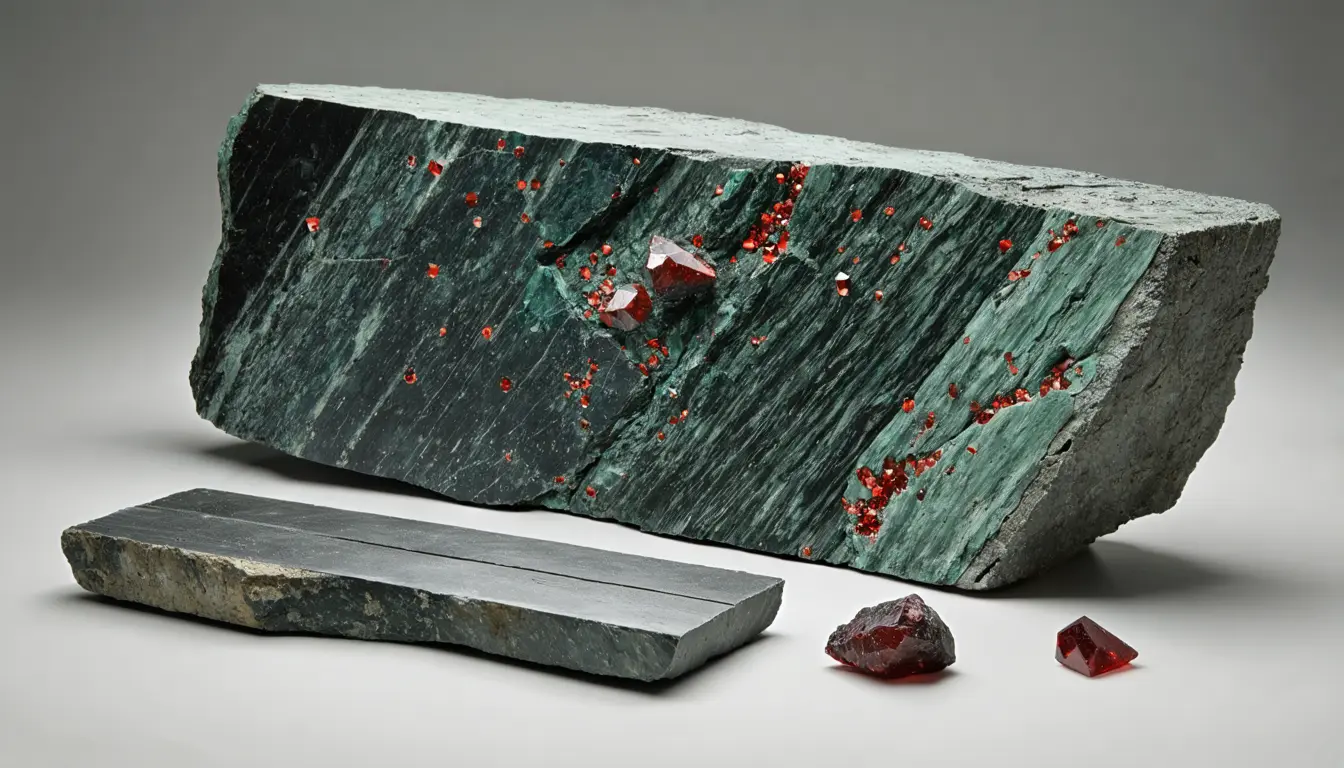
Three figures: the rock reached about 700 degrees C at 45 km depth, hotter than models predict subduction zones should be there; when it reached more than 90 km deep, its temperature rose by a further 100 degrees C.
| Figure | Value | Note | Claim |
|---|---|---|---|
| Rock temperature at 45 km depth, about | 700 °C | 3 | |
| Further rise at depth | 100 °C | 4 | |
| Depth reached, more than | 90 km | 4 |
What happened
- The rock comes from an outcrop on Goodenough Island in eastern Papua New Guinea that contains eclogite, a rock made under high pressure.
- The sample contains coesite, a mineral that forms only at pressures found at about 90 km depth or deeper, and that is the basis for the depth estimate.
- Subduction zones are thought to push cold rock into hotter surroundings, and the cold rock takes a while to warm, so deeply buried rock can stay cool relative to its setting.
- Axel Schmitt of Curtin University offered two explanations: intense shearing at the plate boundary adds heat at shallow depth, or the subduction zone is young and has not yet cooled.
Why it matters
- constraint The evidence comes from one island, so it cannot yet separate a general error in subduction-zone models from a feature of this particular zone.
- decision The two explanations make different predictions: shear heating would give hot shallow rock wherever plates shear intensely, while a young zone would give a pattern that fades in older ones.
- capability Coesite gives a depth floor and zircon a date, so the same pairing can be applied to rocks from other subduction zones to see whether the hot-then-cool sequence repeats.
Axel Schmitt, a geologist at Curtin University in Australia, said: "At about 45 kilometers depth, the rock was surprisingly hot, but as it traveled deeper it entered an environment that was cooler than we would normally expect at that depth." [10]
Adding the further 100 degrees C [4] to the 700 at 45 km [3] puts the rock near 800 degrees C at the deeper point [12]. Across the roughly 45 km between the two readings, that is a rise of at most about 2.2 degrees C per kilometre [13]. It is a ceiling because the depth is given only as more than 90 km [4].
Zircon supplies the date. It can show when the high pressure occurred [6], and the coesite probably formed some 4.4 million years ago [2]. The rock belonged to a piece of continental crust that was pulled down where two tectonic plates meet [7].
Jan Schönig, a geoscientist at Göttingen University in Germany and first author, said the result "contradicts our current thermal models of subduction zones." [9] Schmitt put it more cautiously, saying the findings suggest the thermal structure of these zones "may be more complex than previously thought" [15]. The work was published in Nature Geoscience [11].
The depth is the firmest part of the record, because coesite forms only at such pressures [5]. The temperatures are estimates [3]. The ScienceAlert report does not say how they were derived or what the models predict at either depth. The thing this doesn't tell you is how large the miss is.
What to watch
- A second coesite-bearing eclogite from another subduction zone showing the same hot-then-cool sequence would favour shear heating over a young-zone explanation.
- Model-predicted temperatures at 45 and 90 km set against the rock's estimates would give the size of the miss.
- Thermal models that add shear heating at shallow depth and are tested against this rock.
Clarity's read
What the record supports and how the coverage leans. The claims behind it follow.
Reality
- Evidence55
- Adoption
- Insufficient
- Hype gap+30
- Incentives
- Insufficient
- Confidence55
Claim ledger
Ranked by verification strength, evidence, and original report placement.
- [1]
The rock was collected from a larger exposed outcrop on Goodenough Island in eastern Papua New Guinea, which contains eclogite, a rock made under high pressure.
- [2]
The coesite likely formed in the rock when it was deep inside Earth, around 4.4 million years ago.
- [3]
At 45 kilometers below the surface, researchers estimate the rock reached about 700 degrees C, hotter than models predict subduction zones should be at that depth.
- [4]
When the rock reached more than 90 kilometers deep, its temperature only rose by a further 100 degrees C.
- [5]
The sample contains coesite, a mineral that only forms under pressures at a depth of about 90 km or deeper, so the rock appears to have been driven more than 90 km deep at a local subduction zone.
- [6]
Zircon, another mineral, can help reveal when the high pressure occurred.
- [7]
The rock was once part of a fragment of continental crust that was carried down into a subduction zone at a tectonic plate boundary.
- [8]
Subduction zones are thought to push relatively cold rock downward into a hotter and more pressurized environment, and it can take a while for that colder rock to warm up, so deeply buried rocks can remain relatively cold compared with their surroundings.
- [9]
First author Jan Schönig, a geoscientist at Göttingen University in Germany, said the result "contradicts our current thermal models of subduction zones."
- [10]
Geologist Axel Schmitt of Curtin University in Australia said: "At about 45 kilometers depth, the rock was surprisingly hot, but as it traveled deeper it entered an environment that was cooler than we would normally expect at that depth."
- [11]
The research was published in Nature Geoscience.
- [12]
Adding the further 100 degrees C to the 700 degrees C at 45 km puts the rock near 800 degrees C at the deeper point.
- [13]
Between the 45 km reading and the more-than-90 km reading the rise is at most about 2.2 degrees C per kilometre, a ceiling because the deeper depth is given only as more than 90 km.
- [14]
Schmitt offered two possible explanations: intense shearing where the tectonic plates meet may generate additional heat at relatively shallow depths, or the system is young and the subduction zone has not yet cooled to the lower temperatures scientists would expect.
- [15]
Schmitt said the findings suggest the thermal structure of subduction zones "may be more complex than previously thought."
Get this ledger inside ChatGPT. Ask about any of our stories and the answer brings its figure, each claim’s verdict and the sources. Free, no account.
Sources
1 independent publisher whose own reporting we read for this story.
- sciencealert.comA Rock Dragged 90 Km Into Earth Came Back With a Temperature Story That Breaks The Models
1 article · October 14, 2026
Topics and entities
Follow any of these and your For You feed starts watching them — no settings page required.
Topics
- Subduction zonesFollow
- Metamorphic petrologyFollow
- Plate TectonicsFollow
Entities
- Axel SchmittFollow
- Jan SchönigFollow
- Nature GeoscienceFollow
- Curtin UniversityFollow
- Göttingen UniversityFollow