Science1 publisherNot yet confirmed elsewhere2 min readPublished
New Zealand's seas could cool or overheat under an El Niño on track to set a record
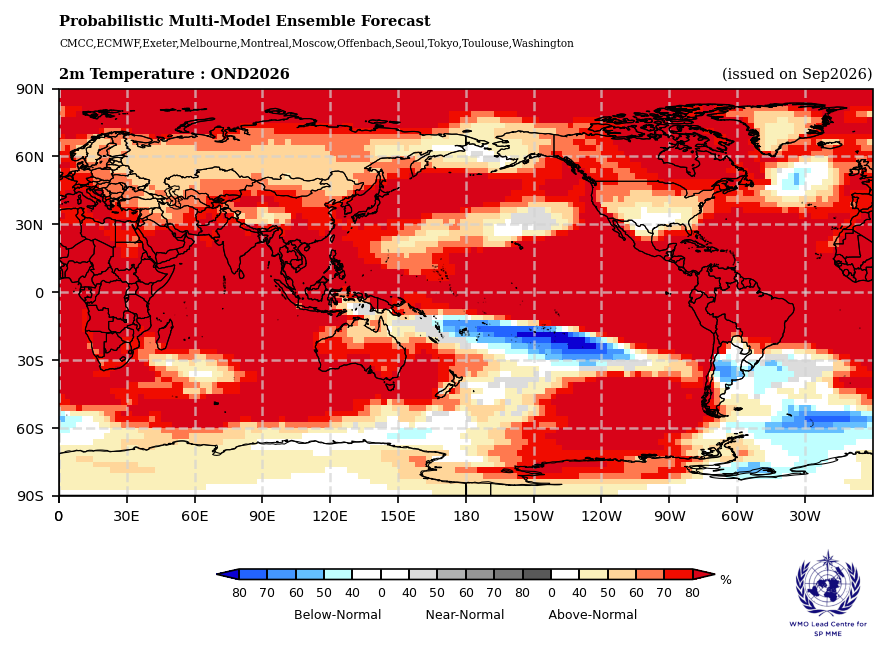
El Niño now building in the Pacific is on track to be the strongest recorded, with central Pacific seas forecast up to 3.6C above normal this summer. Past strong events point to cooler New Zealand seas, though the same record includes a long, damaging marine heatwave.
The Scientist · Science desk
What happened
- The strong El Niños of 1982-83, 1998-99 and 2015-16 agree on land: stronger summer westerlies, heavier west-coast rain and more drought and fire risk in the east.
- Persistent westerlies may increase upwelling along New Zealand's west coast, feeding phytoplankton, kelp and the species that rely on them.
- Heavier west-coast rain may also wash sediment off logged or farmed land, cutting light and oxygen and impairing filter feeders such as mussels and cockles.
- During the 2015-16 El Niño, the Tasman Sea off the west coast went through a 251-day marine heatwave, with sea temperatures reaching 2.9C above normal.
- That heatwave and later ones caused high mortality in South Island salmon stock and habitat-forming kelp, including a coast-wide extinction of bull kelp.
Compiled by The ScientistSomething wrong?How this is made
Why it matters
- decision Salmon and shellfish operators have to plan for two opposite summers at once, because the same three-event record supports both cooler, productive water and a heatwave that kills stock.
- exposure Shellfish beds below logged or farmed west-coast catchments take on sediment risk even in the cool, upwelling-rich version of the season.
- constraint Until El Niño's effect on regional currents and residual heat is understood, the 2015-16 heatwave cannot be turned into odds for this summer, and northern waters remain unassessed.
The analogue record has only three events in it [4][18]. They agree well enough about what happens on land. For the sea, the authors of an article published by phys.org write that the picture is less clear and that ecological effects will likely be mixed [6].
The usual expectation of cooler water comes from the wind change that drives El Niño. In a normal year, easterly trade winds pull cold, nutrient-rich water up off the coast of South America [15]. During El Niño those winds weaken or reverse, that upwelling stops, and warm surface water collects in the eastern Pacific [15]. Around New Zealand the typical result is slightly cooler-than-average sea surface temperatures. According to the authors, this dip could give heat-stressed ecosystems short-term relief [7].
The 2015-16 event complicates that. Its Tasman Sea heatwave lasted about eight months [11][19]. The authors say heatwaves can occur alongside El Niño, and that they are getting longer, more intense and more frequent with climate change [10]. The thing this record doesn't tell you is whether El Niño helped produce the 2015-16 heatwave or simply failed to prevent it. The article is direct on that point: the exact influence of El Niño on ocean currents and residual heating in the region is unknown, as are the potential impacts farther north [17]. One heatwave in three analogue years is a small sample, and the article does not put a probability on one forming this summer.
The heatwave case matters more than its frequency suggests because of the damage it does. If a marine heatwave occurs this summer, the authors write, it may have outsized impacts on the coast compared with those of El Niño itself [14]. In Australia, warm water has been tied to new disease outbreaks among farmed oysters and to wild pāua dying off [13]. This event also starts from a higher baseline. The article says temperature rises may be particularly dramatic because climate change has already pushed air and ocean temperatures above normal [3].
Even the cool scenario has a cost for a west-coast farm. The westerlies that may lift upwelling and feed kelp and phytoplankton [8] come with heavier rain. That rain can carry sediment from logged or farmed catchments onto filter-feeding shellfish [9].
"Forecasts are fickle, unexpected outcomes are likely and preparation is needed," the authors wrote [16]. I think that advice is right for this summer. It rests on three analogue years and an admitted gap in the regional physics, and a clearer account of how this El Niño moves heat through the Tasman is the evidence that would narrow it.
What to watch
- Tasman Sea temperatures this summer, and whether a marine heatwave forms despite the cooling El Niño usually brings to New Zealand.
- Whether central Pacific waters reach the forecast 3.6C above normal, the figure behind the strongest-on-record expectation.
- Any study that pins down how El Niño shapes currents and residual heat around and north of New Zealand.
Clarity's read
What the record supports and how the coverage leans. The claims behind it follow.
Reality
- Evidence40
- Adoption
- Insufficient
- Hype gap+10
- Incentives
- Insufficient
- Confidence40
Claim ledger
Ranked by verification strength, evidence, and original report placement.
- [1]
The El Niño currently building in the Pacific is on track to be the strongest recorded.
- [2]
Ocean temperatures in the central Pacific are forecast to reach new heights this summer, potentially 3.6C hotter than normal.
- [3]
Temperature hikes may be particularly dramatic because this El Niño is occurring against a backdrop of warmer-than-normal air and ocean temperatures caused by climate change.
- [4]
The last strong El Niño was in 2015-16, with prior strong events in 1982-83 and 1998-99.
- [5]
Taken together, the past strong events give a good picture of effects on land: stronger, more consistent westerlies throughout summer, heavier rain along the west coast and heightened drought and wildfire risk along the east coast.
- [6]
In the ocean the picture is less clear, and ecological effects will likely be mixed.
- [7]
El Niño phases typically bring slightly cooler-than-average sea surface temperatures to Aotearoa, which could provide short-term relief for heat-stressed marine ecosystems.
- [8]
Persistent westerlies may increase coastal upwelling along New Zealand's west coast, fueling the productivity of phytoplankton and kelps and benefiting species that depend on them for food or habitat.
- [9]
Increased west-coast rain may raise freshwater flows into marine environments, increasing coastal sedimentation within heavily logged or farmed watersheds; sediment decreases oxygen and light, smothers bottom-dwelling invertebrates and reduces the ability of organisms such as cockles, mussels and sponges to filter food.
- [10]
Although El Niño typically brings cooler water, the co-occurrence of marine heatwaves cannot be ruled out; heatwaves are becoming longer, more intense and more frequent with climate change.
- [11]
During the 2015-16 El Niño, the Tasman Sea off the west coast of Aotearoa experienced a 251-day heatwave, with sea temperatures reaching 2.9C above normal.
- [12]
On the South Island, the 2015-16 heatwave and subsequent ones resulted in high mortality of salmon stock and habitat-forming kelps, including the coast-wide extinction of bull kelp.
- [13]
In Australia, warm waters have been linked to outbreaks of new diseases on oyster farms and die-offs of wild pāua.
- [14]
If a marine heatwave occurs this summer, it may have outsized impacts on New Zealand's coast compared with those of El Niño.
- [15]
Typically, easterly trade winds over the central Pacific draw cold, nutrient-rich deep water to the surface off western South America; during El Niño the trade winds weaken or reverse, upwelling does not occur, and warm surface water accumulates in the eastern Pacific.
- [16]
Forecasts are fickle, unexpected outcomes are likely and preparation is needed.
- [17]
The exact influence of El Niño on ocean currents and residual heating in New Zealand's region is unknown, as are the potential impacts farther north of Aotearoa.
- [18]
The analogue record of strong El Niños used here contains three events.
- [19]
The 2015-16 Tasman Sea heatwave lasted about eight months.
Sources
1 independent publisher whose own reporting we read for this story.
- phys.orgPrepare for the unexpected: The coming super El Niño and NZ's ocean weather
1 article · October 8, 2026
Topics and entities
Follow any of these and your For You feed starts watching them — no settings page required.