Invest1 publisherNot yet confirmed elsewhere3 min readPublished
Gulf crude flows recover to 80% of normal on shuttle runs too costly to pull prices down
Gulf producers have restored about 80% of Hormuz crude flows with shuttle runs and a partly restarted Saudi pipeline, Seoul Economic Daily reports. Insurance on those runs and Iran's continued force in the strait keep prices on course to stay elevated through year-end.
The Investor · Invest desk
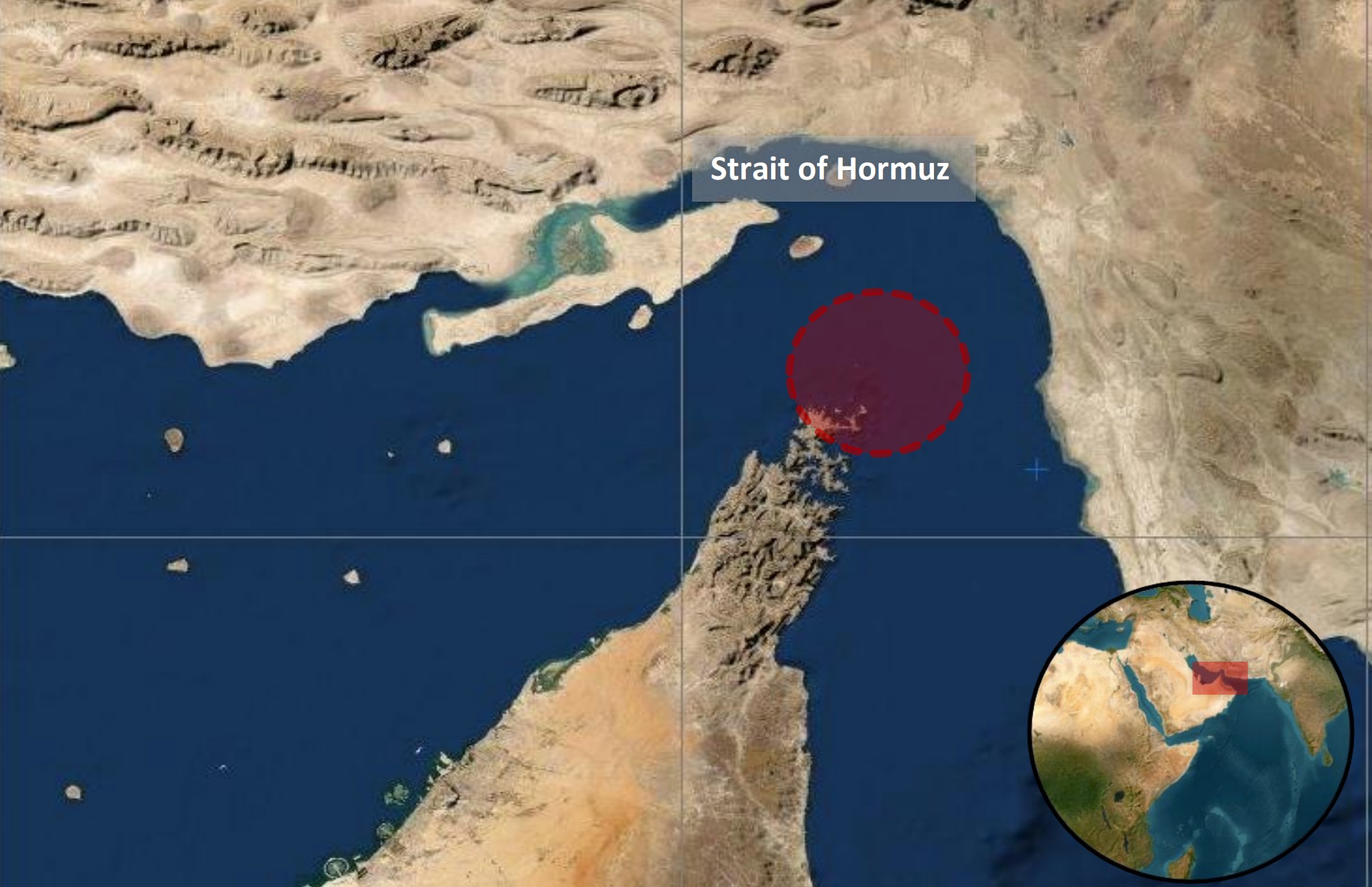
What happened
- Yemeni government forces, backed by the US and Saudi Arabia, began an operation on Oct. 4 to retake the Red Sea trade route from the Houthis, Reuters reported.
- A Saudi-led coalition retook Dhubab, Bab and Hadid north of the Bab el-Mandeb strait on Oct. 5, according to the Guardian and other outlets.
- The US has sent more than 200 military intelligence and analysis officers to Saudi Arabia and supplies jet fuel for Saudi patrols instead of carrying out direct strikes.
Compiled by The InvestorSomething wrong?How this is made
Why it matters
- cost Oil buyers keep paying an elevated price through at least year-end even as supply recovers, because the source expects shuttle and insurance costs to stay in the barrel.
- constraint While Iran keeps using force in Hormuz, a coalition win at Bab el-Mandeb cannot by itself remove the insurance cost on shuttle runs out of the Gulf.
- decision By deferring its Iran response past the November midterms, Washington leaves Riyadh and Yemen's government to fight for the shipping lanes with US intelligence and fuel behind them.
- exposure Part of the restored flow runs through a pipeline that pro-Iran militias have already struck once, so the 80% figure can fall back with no change at sea.
Seoul Economic Daily's case against a price recovery rests on cost. The shuttle operations that producers use to evade attacks by Iran's Islamic Revolutionary Guard Corps carry enormous costs, starting with insurance [5]. Under the current setup, the paper argues, oil prices are unlikely to return to prewar levels even if Middle East shipments do [6]. Every barrel that comes back by shuttle brings its insurance bill with it, so recovering the last 20% of normal Hormuz flows [19] would add supply without taking out the expense. The report does not give a figure for premiums or for the crude price.
Into the eighth month of a war that many had expected to last one [2], producers are paying for the workaround instead of waiting for the strait to clear [3][5]. The price call could break in three places.
Start with the Red Sea. A Saudi-led coalition retook Dhubab, Bab and Hadid, north of the Bab el-Mandeb strait, on Oct. 5, according to the Guardian and other outlets [15]. Coalition spokesman Maj. Gen. Turki al-Malki said 100 fighter jets were supporting the operation and that the coalition had secured air defense rights over the strait [16]. Yemeni government spokesman Maj. Gen. Majid al-Nuzaili said his forces had cut the road between Dhubab and Mocha [18], a port the Houthis seized on Sept. 10 [11]. Against that, the Houthis hold about 30% of Yemen's territory and more than 70% of its population [12], and they took Turbah on their advance toward Taiz and fired ballistic missiles and drones at Riyadh [17]. The paper rates the odds of fully subduing them as relatively low [8].
Washington is the second. President Donald Trump twice rejected Crown Prince Mohammed bin Salman's requests for airstrikes on the Houthis on Sept. 10, then accepted on Sept. 17 and met opposition from most of his staff [13]. What the US is putting in is people and fuel: more than 200 military intelligence and analysis officers in Saudi Arabia, and jet fuel for Saudi defensive air patrols [14]. Its response to the Iran war itself is on hold until after the November midterms [9].
Then the pipeline. The East-West line was hit by a drone on Sept. 11, in a strike believed to be the work of pro-Iran militias in Iraq [4]. That was the same day the Houthis took Perim Island inside Bab el-Mandeb [11][20].
I think the paper's call holds through the end of the year. Iran is still using force in Hormuz [7], the US has deferred its answer [9], and the Yemeni campaign may retake the Red Sea area only temporarily [8]. The counter-case sits in the same evidence: a temporary hold on Bab el-Mandeb under coalition air cover [16] would still ease one of the two contested routes for as long as it lasts, and the paper itself expects prices to stay only somewhat elevated [9].
The thesis fails on a price. If crude falls back to its prewar level while producers are still running shuttles and paying to insure them, cost was not what was holding prices up.
What to watch
- Whether the coalition keeps Dhubab and its claimed air defense rights over Bab el-Mandeb, or the Houthis push on from Turbah toward Taiz.
- The Trump administration's response to the Iran war once the November midterms are over.
- Any new strike on the East-West pipeline, or any letup in Iran's use of force in Hormuz that would let insurance costs on shuttle runs fall.