Invest2 publishersAlso reported elsewhere3 min readPublished
Brent's 3.7% climb to $103.91 on Iran war risk drags European stocks lower
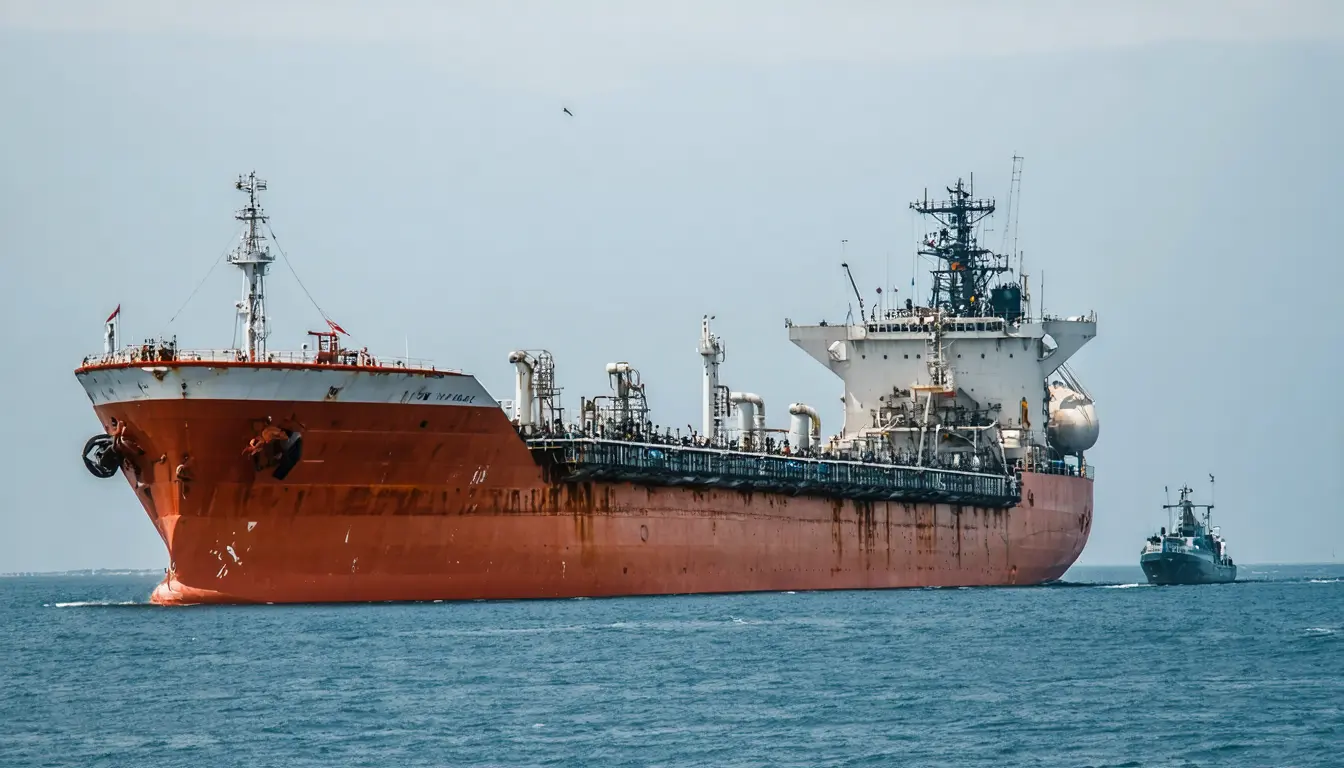
Brent crude rose 3.7% to $103.91 a barrel on Thursday as data showed Iran stepping up tanker attacks in Hormuz and reports of new US strikes spread. With the 10-year Treasury at 5.32%, the oil move hit equities as inflation risk and European indexes opened 0.64% to 1.06% lower.
The Investor · Invest desk
What happened
- The Atlantic reported that the White House asked the Pentagon for options to strike Iranian targets before the 3 November midterms, with a wider operation possible after the vote.
- Producers shut more than 500,000 barrels a day of Gulf of Mexico output ahead of Hurricane Isaias, adding a US supply loss to the Middle East risk.
- Minutes of the Fed's September meeting showed most officials considered another rate rise before the end of the year likely to be appropriate.
- On Wednesday the S&P 500 fell 0.2% a day after an all-time high, the Nasdaq slipped 0.2% from its record and the Dow lost 0.7%.
Compiled by The InvestorSomething wrong?How this is made
Why it matters
- constraint The strike option adds supply risk with no stated route to reopening Hormuz, since even its supporters, The Atlantic reported, expect neither restored passage nor talks.
- cost Every barrel released early comes out of reserves senior oil officials already call worryingly low, so an escalation after the midterms would meet a smaller buffer.
- decision Oil above $100 strengthens the case for the year-end hike most Fed officials already considered likely, and makes a pause harder for the minority to argue.
A 3.7% gain that finishes at $103.91 started from about $100.20 [21]. Brent added roughly $3.70 a barrel by mid-morning. Earlier in the week crude had been falling on signs that Middle East exports were heading back toward pre-war levels and that G7 nations had agreed to tap their stockpiles [6].
The split between the benchmarks, or rather the gap between their gains, says more about where the risk sits. The barrels lost to the hurricane were American. Even so, Brent's 3.7% outran the gain in West Texas Intermediate, which was a little more than 3.45%, to above $91.41 [3]. That left the international grade about $12.50 above the US one [24]. If weather had set Thursday's price, I'd expect WTI to lead. It trailed. The premium landed on Brent, the benchmark Euronews describes as international [1] and the one that prices seaborne supply exposed to Hormuz.
Oil reaches equity prices mostly through rates. The Fed's quarter-point hike in September, its first since July 2023, left the policy range at 3.75% to 4% [10]. The 10-year Treasury sits 1.32 points above the top of that range [22], so companies borrowing long already pay well over what the Fed charges overnight. Euronews noted that higher borrowing costs can weigh on profits and make bonds more attractive to investors [11]. Samsung estimated third-quarter operating profit of 107.4 trillion won, up 782.5% [12], or nearly nine times the year-earlier figure of about 12.2 trillion won [23]. Its shares fell [12].
The US and Iran have yet to reach a deal to end their war [18]. So far the supply response falls to the International Energy Agency, whose members on Wednesday backed accelerating stock releases already pledged in March, prioritising diesel where possible [16]. That brings forward barrels already promised. It adds no new pledge.
A quick restart by Gulf of Mexico producers after Isaias would take the hurricane share out of the price. Should Middle East exports resume the recovery that pushed crude lower earlier this week, the March releases would go further. Strikes of the kind The Atlantic described, arriving after the 3 November vote with tankers still under attack, would make both of those matter less.
I think the Hormuz premium outlasts the hurricane, so equity prices carry this inflation risk at least until the Fed's year-end decision. The counter-case is this week's own record: exports were normalising and crude was falling until a run of bad news, including data showing Tehran had stepped up tanker attacks, reversed it within days [4]. If Brent drops back under $100 while those attacks continue, weather drove Thursday's move. If the 10-year yield falls while oil holds above $100, equities have less to fear from the rate channel than Europe's open implied.
What to watch
- The scale and timing of any US strikes, which The Atlantic said were still being discussed, and whether they come before or after the 3 November vote.
- The European Central Bank minutes investors were awaiting on Thursday, for any sign that oil above $100 is entering euro-area rate discussions.
- Tech earnings season, where high valuations and heavy AI spending already have profits under scrutiny at a 5.32% 10-year yield.
Clarity's read
What the record supports and how the coverage leans. The claims behind it follow.
Reality
- Evidence45
- Adoption
- Insufficient
- Hype gap+15
- Incentives
- Insufficient
- Confidence50
Claim ledger
Ranked by verification strength, evidence, and original report placement.
- [1]
Shortly after the European stock market opening on Thursday, Brent crude, the international benchmark, was up 3.7% at $103.91 per barrel.
- [2]
At the open, Germany's DAX fell 0.76%, London's FTSE 100 dropped 0.75%, France's CAC 40 was down 0.64% and the Euro Stoxx 50 lost 1.06%.
- [3]
US benchmark West Texas Intermediate rose more than 3.45% to above $91.41 a barrel.
- [4]
Anxiety returned as data showed Tehran had stepped up attacks on tankers in the Strait of Hormuz.
- [5]
Supplies were hit by the loss of more than 500,000 barrels a day of Gulf of Mexico output as producers shut down operations ahead of Hurricane Isaias; both main crude benchmarks rose more than 3% on Thursday.
- [6]
Crude prices had fallen earlier in the week amid signs that exports from the Middle East were heading back towards pre-war levels and that G7 nations had agreed to tap their stockpiles.
- [7]
Senior oil officials warned that global reserves were running worryingly low.
- [8]
The yield on the 10-year US Treasury remained near a multi-decade high, trading at 5.32%.
- [9]
Minutes of the US Federal Reserve's September meeting, released on Wednesday, showed that most officials considered another interest rate rise likely to be appropriate before the end of the year.
- [10]
In September, the Fed raised rates for the first time since July 2023, by a quarter of a percentage point to a range of 3.75% to 4%.
- [11]
Rising bond yields have put pressure on stocks, as higher borrowing costs can weigh on company profits and make bonds more attractive to investors.
- [12]
Samsung shares fell despite the company estimating a 782.5% rise in third-quarter operating profit to 107.4 trillion won, supported by higher memory chip prices.
- [13]
The Atlantic reported that the White House had asked the Pentagon to draw up options for strikes on Iranian targets ahead of next month's US midterm elections, and that a wider operation could follow the 3 November vote.
- [14]
According to The Atlantic's report, the scale of the potential strikes and their targets were still being discussed.
- [15]
Even supporters of the proposed strikes did not expect them to bring Iran to the negotiating table or restore safe passage through the Strait of Hormuz, but hoped military action would help Trump project strength before the election.
- [16]
The International Energy Agency said on Wednesday that its members supported accelerating oil stock releases already pledged in March, prioritising diesel where possible.
- [17]
On Wednesday, the S&P 500 dropped 0.2% a day after reaching an all-time high, the Dow Jones Industrial Average slipped 0.7%, and the Nasdaq Composite declined 0.2% from its record.
- [19]
Investors assessed minutes from the Fed's September meeting and awaited those from the European Central Bank.
- [20]
Tech shares pulled back as investors prepared for earnings season, with high valuations and vast spending on artificial intelligence putting profits under scrutiny.
- [21]
Brent's implied starting level before Thursday's move was about $100.20 a barrel, a gain of roughly $3.70.
- [22]
The 10-year Treasury yield sits 1.32 percentage points above the top of the Fed's policy range.
- [23]
Samsung's estimated third-quarter operating profit is nearly nine times the year-earlier figure, implying a prior-year quarter of about 12.2 trillion won.
- [24]
Brent traded about $12.50 a barrel above WTI.
Sources
2 independent publishers whose own reporting we read for this story.
- euronews.comOil prices are climbing on concerns about an escalating Iran war | Euronews
1 article · October 7, 2026
- qz.comOil jumps 5% as Trump reportedly weighs Iran strikes before midterms
1 article · October 8, 2026
Topics and entities
Follow any of these and your For You feed starts watching them — no settings page required.
Topics
- US-Iran ConflictFollow
- Oil MarketsFollow
- Strategic oil reservesFollow
- European equitiesFollow
- Strait of Hormuz Shipping RiskFollow
- Interest rates and bond yieldsFollow