Leadership2 publishers3 min readPublished
UK diesel hits record 200.01p a litre, heaping 'misery' on motorists and fleets
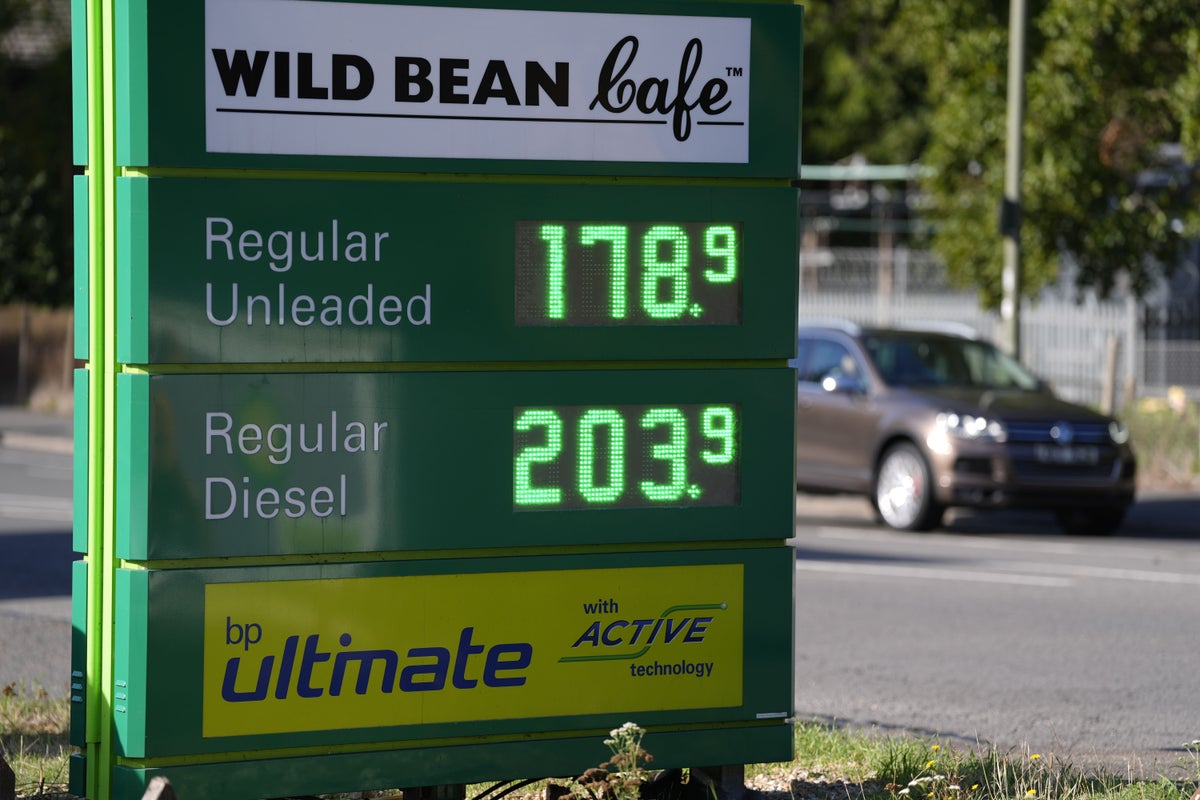
UK diesel averaged a record 200.01p a litre on Friday, the RAC said, up 40.5% since the Iran war began in late February. Because the shortage sits in damaged refineries in the Middle East and Russia, fleet operators setting next quarter's fuel budget have weak grounds to plan on a quick fall.
The Board Room · Leadership desk
Drafted by a language model from the sources cited here and checked against its claim ledger before publication. How we use AISend a correction
What happened
- Filling an average family diesel car now costs £110, the RAC said, nearly £32 more than before the Iran war began.
- G7 nations agreed at an urgent meeting on Friday to release 100 million barrels of oil to head off further price rises.
- Members also agreed not to impose export restrictions on each other, after Donald Trump threatened to ban shipments of American diesel overseas.
- Capital Economics estimated that a US diesel export ban could lift UK diesel to £3 a litre and push inflation to 5% from 3.1% in August.
- Brent crude fell 2.5% to $99.78 a barrel on reports that European nations were discussing releasing diesel and oil reserves.
Compiled by The Board RoomSomething wrong?How this is made
Why it matters
- constraint While the bottleneck is refinery output in the Middle East and Russia, a falling crude price is a weak guide to what fleets will pay per litre of diesel.
- contradiction The Guardian puts UK reliance on US diesel at about 30%, while the BBC puts it at around 17% of total supply, so the UK's exposure to a US export ban is not settled.
- cost Operators who fill up at forecourts already pay above the RAC average, so a budget set at 200.01p understates their fuel bill from the first week.
The number a fleet budget depends on is the change per litre. A 40.5% rise to 200.01p implies a pre-war average of about 142p [1][2][1], so each litre now costs roughly 58p more than in late February [2]. For every 1,000 litres a haulier or delivery fleet buys, that is about £576 of extra cost [4].
The case for waiting rests on Friday's G7 agreement and the drop in Brent [6][13]. A skeptic would say the reserve release and a cheaper barrel mean the peak has passed. The answer is in the timing: diesel reached its record even as Brent was falling [1][13]. Road fuel prices have outpaced the rise in oil because refineries damaged by war in the Middle East and Russia are producing less, the Guardian reports [10]. "This highlights that the main stress in the energy market is no longer crude availability, with Middle East flows recovering," said Ole Hansen, head of commodity strategy at Saxo Bank [11]. The strain, he said, is on "refined product supply, constrained by reduced refinery capacity and output across the Middle East and Russia" [12].
The release may reach diesel directly. Reuters reported that the French proposal put to G7 leaders paired 50 million barrels of diesel from European reserves with 50 million barrels of crude from International Energy Agency members [14]. The refining gap behind it is a continuing loss of output. Before the Ukraine war, Russia supplied 10% to 15% of the world's diesel, and another 10% passed through the strait of Hormuz before Iran disrupted it [15]. China has also restricted exports of refined fuels [16]. The reports do not say when the damaged refineries will return to full output.
The stress case has its own figure. Capital Economics' £3-a-litre estimate for a US export ban is half again above today's price [9][3]. The G7 pledge against export restrictions answers that threat among members [7]. The Trump administration has still told Germany and France to release their diesel stockpiles or face a US export ban [8]. More than half of the diesel bought in the UK is imported [19], and the country holds reserves for 42 days [18].
Operators are already choosing between margin and supply. "This will be very challenging for households and companies that drive a lot of miles, from commuters, haulage and delivery firms, businesses with large fleets all the way through to sole traders," said Simon Williams, head of policy at the RAC [5]. Mark Means, who has farmed in Norfolk for more than 50 years, has spent £50,000 on new diesel tanks to secure enough fuel to harvest and plant [21]. The price is still cutting into his margins [21]. Steven Tompkins, a driving instructor in Leicester, is raising his prices [22]. "When you've got kids who are working part time, they're on a tight budget and we're telling them that the prices are going to have to go up because of the fuel, it's hurting," he said [23].
The trade-off for a fleet budget is between two errors. Setting the fuel line at £2 this quarter means repricing customers and contracts now, then keeping or returning the margin if the release brings prices down. Budgeting for a dip means that if refinery output stays low, the shortfall lands next quarter against work already priced. I think the record supports £2 as the base and £3 as the stress case [1][9], with any G7 relief treated as upside. The RAC said price rises were "showing no signs of slowing, heaping more misery onto motorists" [24].
What to watch
- Whether the 100 million barrels the G7 agreed includes the 50 million barrels of diesel in the French proposal, or is mostly crude.
- Any US move to act on its export-ban threat against Germany and France despite the G7 pledge on export restrictions.
- Repair timelines for the damaged refineries in the Middle East and Russia that are holding down refined fuel output.