Product1 publisherNot yet confirmed elsewhere3 min readPublished
Spider-Man art book: when clone-stamping reads as AI, a policy is not evidence
Marvel's Brand New Day concept art book was accused of generative AI. The publisher says the culprit was photobashing and the clone tool, and nobody outside the room can check either claim.
The Product Desk
What happened
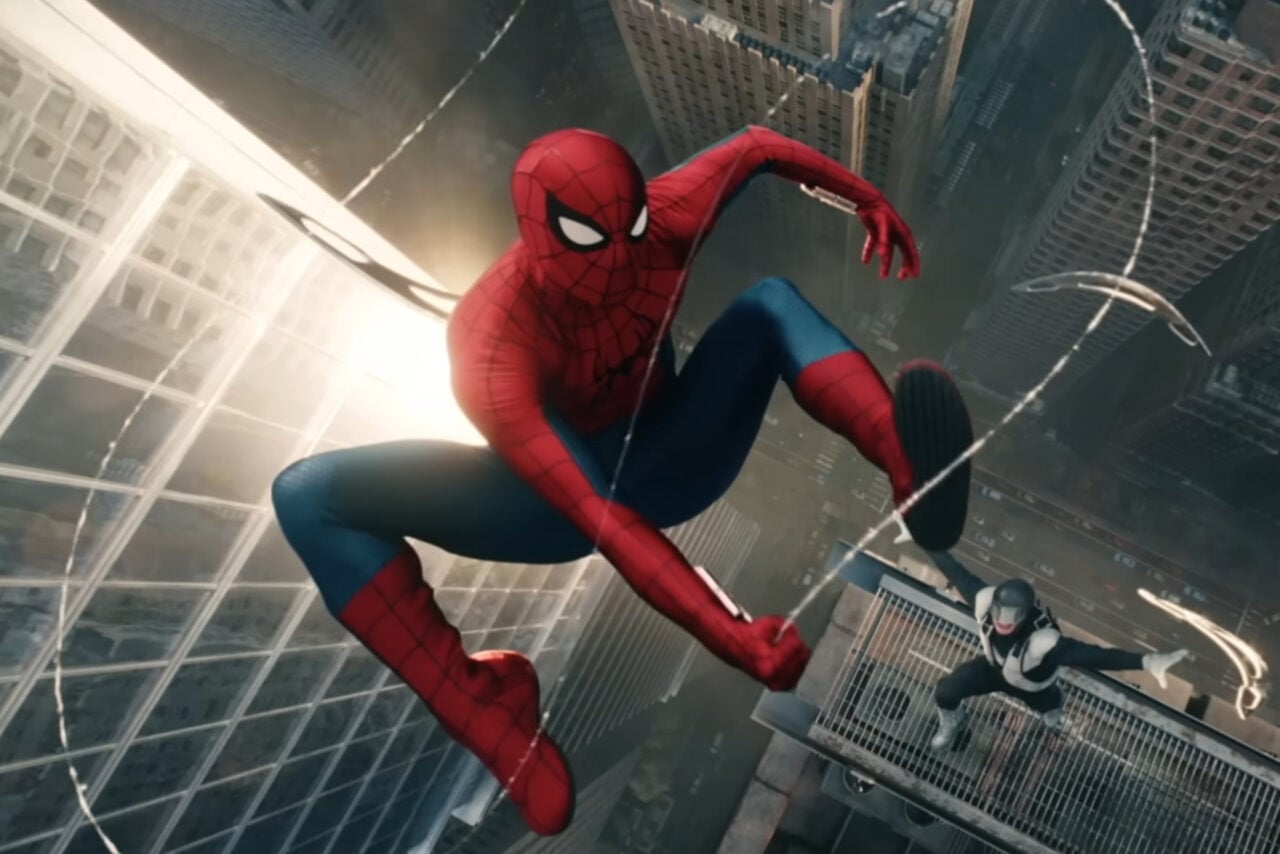
- A page of New York concept art in the Spider-Man: Brand New Day art book, showing taxis and buildings colliding, drew online accusations of generative AI use.
- The book's publisher said that specific art was made with the clone tool and photobashing, called it laziness, denied AI use, and pointed to its anti-AI policies.
- Meinerding and Disney had not commented at the time of publication, and io9 said its approach to Meinerding was unanswered.
Compiled by The Product DeskSomething wrong?How this is made
Why it matters
- constraint The cheap way to fill a background now carries a public defence attached to it, which makes photobashing and clone-stamping more expensive than the hours they save.
- exposure If AI did reach a printed asset, the loss is ownership rather than reputation, and the contract language quoted here parks that liability on the individual artist rather than the studio.
- contradiction A denial that concedes AI in upstream assets, and which no named party will confirm, cannot be tested by looking at the finished page, which is all either side has done.
- decision Anyone commissioning art down a three-party chain now has to choose between accepting a warranty of originality and requiring working files and delivery records with every hand-off.
The publisher's defence and the fans' accusation describe the same picture. Taxis and buildings colliding into each other are what prompted the AI allegations [2]. The cloning tool and photobashing are what the book's publisher says produced them, alongside an admission of laziness and a denial of AI use [8]. Nobody is disputing the artifacts. The argument is only about which cheap process made them, and viewers have no way to tell from the page.
The most useful part of the response came from a Reddit user, StingRe, who says they did the layout and design for the book [9]. Their theory for the wonky taxi is a watermark sitting between two cabs: remove it, and Photoshop's fill tool closes the dead space with the nearest pixels, using a feature that has been in the product for over 15 years [16]. A tool that predates the technology it is being mistaken for is now indistinguishable from it at the pixel level.
The rest of the account is where anyone commissioning art should look. Assets reached the layout desk from the film's visual development team [10]. StingRe says they were told freelancers had used AI to populate backgrounds in their individual assets [13], and that anything flagged was either never supplied or removed [14]. The named safeguard is a person: Marvel visual development head Ryan Meinerding, described as very strict about checking every page for AI [15]. Even so, StingRe concedes something could have slipped through [4]. Checking finished pages by eye is the same procedure the fans ran, on the same evidence [6]. It can return a false positive on a taxi and a false negative on a freelancer's background, and here it may have done both.
The contracting posture is separate from the production one. StingRe's summary is that you do not legally own anything made by AI and that contracts require wholly original work [17], and that shortcuts are an individual decision rather than a company mandate [12]. That protects the studio's paperwork. It does nothing for the asset, which passed through at least three sets of hands before it was printed [7], none of whom appear to have shipped records with the file.
So the only rebuttal on offer was a pseudonymous account explaining Photoshop behaviour, with the relevant comments since deleted [14], while Meinerding and Disney have not spoken and io9's approach sits unanswered [3]. Nothing in the denial has been confirmed by a named party [5]. An anti-AI policy is a statement of intent. What this page needed was a receipt: retained layer stacks, the source plates the bash was built from, a delivery log per freelancer. That material is dull to keep and quick to produce, and it answers in an hour a question a policy cannot answer at all.
What to watch
- Whether Ryan Meinerding or Disney answers on the record, which would move the denial off a single pseudonymous account.