ProductNot yet confirmed elsewhere1 publisher2 min readPublished
Toyota and UC San Diego researchers dissolve a battery binder in water to free electrode materials
UC San Diego and Toyota researchers built a fluorine-free battery binder that dissolves in water, so electrode coatings come off their foils with a soak. For a cell maker, the first payoff is on the production line, where water replaces toxic solvents.
The Product Desk
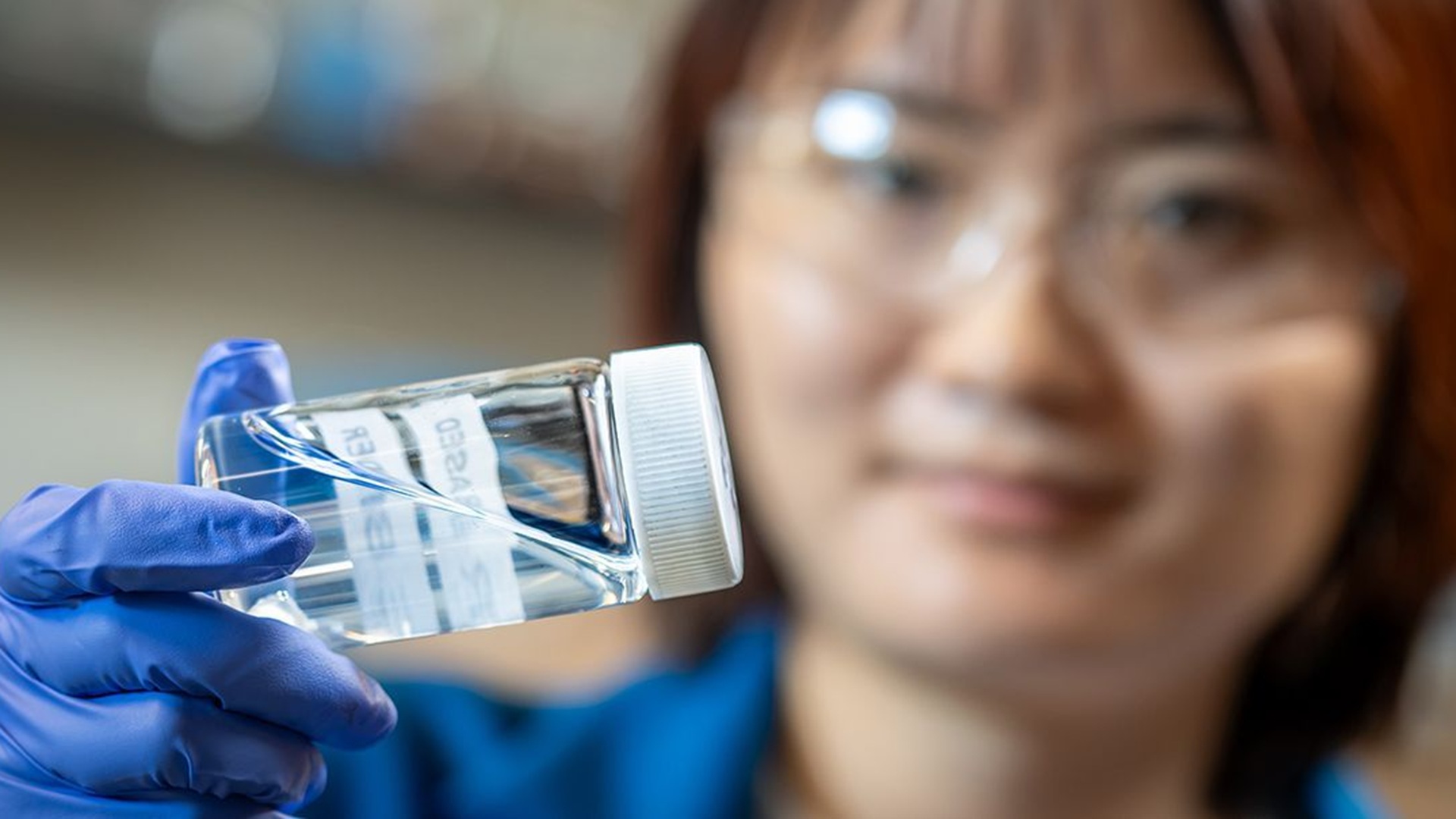
What happened
- Lab cells made with the binder matched conventional cells at the start and, in some tests, held capacity better over hundreds to thousands of charge cycles.
- The binder combines two inexpensive polymers, polyacrylic acid and plant-derived carboxymethyl cellulose, dissolved in water and cross-linked with citric acid.
- Material recovered by soaking was regenerated through direct recycling and built into new cells that performed comparably to cells made from conventionally recovered material.
- The team plans to optimize the binder for other chemistries, scale up production and explore commercialization with industry partners.
Why it matters
- cost A cell maker pays to requalify a binder, and the only saving it collects directly is on its own line, in solvents, drying ovens and solvent recovery.
- constraint Cells already in service with fluorine-containing binders still need heat or corrosive chemicals at end of life, so recycling savings arrive only as new-binder cells come back.
- contradiction The report's opening says the cells held capacity longer, while its results limit that to some tests, so a qualification plan should assume parity with conventional cells.
A recycler taking apart a spent lithium-ion cell has to get rid of the binder before the electrode coating will leave its foil. Most cells use fluorine-containing binders [6]. Those leave residues that take high temperatures or corrosive chemicals to remove [9]. In the UC San Diego and Toyota work, researchers took finished cells apart and soaked the electrodes in water [3][12]. The binder dissolved, and the coatings came off their metal foils with no residue, according to Interesting Engineering's account of the study, which was published in Nature Communications [12][15].
The report calls the result a potential way to cut manufacturing waste, energy use and recycling costs [17]. The work itself is lab cells and a soak. The account does not include cost figures or a production-scale trial. The recycled cells only matched cells made from conventionally recovered material [13], so the recycling gain is the heat or chemical step that no longer has to happen [5].
Recycling gets the headline. The person who would have to approve the switch works for a cell maker, and that person looks at the production line first. Fluorine-containing binders need toxic solvents, then large ovens to dry the electrodes, then more processing to recover and purify the solvent [7]. "Those extra steps significantly increase the cost and energy use," said Jiao Lin, the study's first author and a postdoctoral researcher at UC San Diego, who listed environmental impact alongside them [8]. The new binder is mixed in water [4].
I'd expect a cell maker to judge it on line costs and cycle life first. Two questions settle where a given operator stands. The first is chemistry: the binder was tested with lithium iron phosphate and nickel-rich cathodes, and with graphite and silicon anodes [11]. The second is whether the same company takes its own cells back through direct recycling, the route the team used to regenerate recovered material [13].
- Tested chemistry, you run the recycling loop. The solvent savings and the soak both land with you. This is the case for a pilot. - Tested chemistry, someone else recycles your cells. Judge the binder on solvent, oven and recovery costs alone. The soak is the recycler's gain. - Untested chemistry, you run the loop. Wait for the versions the team says it is optimizing for other chemistries [14]. - Untested chemistry, someone else recycles. Nothing in this result changes your line yet.
What to watch
- Whether the team names its industry partners or publishes production cost figures for electrodes made with the water-based binder.
- Test results for chemistries outside the tested set of lithium iron phosphate, nickel-rich, graphite and silicon electrodes.
- A pilot or production-scale trial showing whether the clean water-soak separation holds at recycler volumes.
Clarity's read
What the record supports and how the coverage leans. The claims behind it follow.
Reality
- Evidence45
- Adoption5
- Hype gap+20
- Incentives50
- Confidence40
Claim ledger
Ranked by verification strength, evidence, and original report placement.
- [1]
Batteries made with the new binder delivered comparable initial performance to conventional cells and demonstrated improved capacity retention in some tests after hundreds to thousands of charging cycles.
ReportedSupportedSource: Interesting Engineering, results section2 sources— create a free account to open themView cited source - [2]
In laboratory tests, batteries made with the new material matched the initial performance of conventional lithium-ion cells and retained their capacity longer after hundreds to thousands of charging cycles.
ReportedSupportedSource: Interesting Engineering, opening paragraphs2 sources— create a free account to open themView cited source - [3]
Researchers at the University of California San Diego and Toyota Research Institute of North America developed a fluorine-free binder for lithium-ion batteries.
- [4]
The new binder uses water instead of toxic solvents during battery production.
- [5]
The binder allows electrode materials to be recovered by soaking them in water, eliminating the need for harsh chemicals or high-temperature treatment to remove the binder.
- [6]
Conventional lithium-ion batteries typically use fluorine-containing binders because they provide strong adhesion and remain stable through repeated charging and discharging.
- [7]
Fluorine-containing binders require toxic solvents during manufacturing; large ovens are used to dry the electrodes, followed by additional processes to recover and purify the solvents.
- [8]
"Those extra steps significantly increase the cost and energy use" ... "as well as the environmental impact" of battery manufacturing.
ReportedSupportedSource: Jiao Lin, the study's first author and a postdoctoral researcher at UC San Diego, quoted by Interesting EngineeringView cited source - [9]
Fluorine-containing binders leave residues during recycling that require high temperatures or corrosive chemicals to remove.
- [10]
The binder combines two inexpensive polymers, polyacrylic acid for flexibility and plant-derived carboxymethyl cellulose for strength and adhesion, dissolved in water and chemically linked with citric acid into a reinforced network.
- [11]
The researchers tested the binder with lithium iron phosphate and nickel-rich cathodes, as well as graphite and silicon anodes.
- [12]
Researchers disassembled the batteries and soaked the electrodes in water; the binder dissolved, and the electrode coatings separated cleanly from their metal foils without leaving residues.
- [13]
The recovered electrode materials were regenerated through direct recycling and used to manufacture new batteries, which performed comparably to batteries built with materials recovered from conventional fluorine-containing binders.
- [14]
The researchers plan to optimize the binder for different battery chemistries and scale up production for commercial manufacturing, and are exploring commercialization with industry partners.
- [15]
The study was published in Nature Communications.
- [16]
The water-soak recovery applies only to cells built with the new binder; cells built with fluorine-containing binders still leave residues that need high temperatures or corrosive chemicals to remove.
- [17]
The research offers a potential way to reduce manufacturing waste, energy consumption and recycling costs as demand for lithium-ion batteries grows.
Sources
1 independent publisher whose own reporting we read for this story.
Topics and entities
Follow any of these and your For You feed starts watching them — no settings page required.
Entities
- University of California San DiegoFollow
- Toyota Research Institute of North AmericaFollow
- Nature CommunicationsFollow
- Jiao LinFollow