LeadershipNot yet confirmed elsewhere1 publisher3 min readPublished
Skills minister denies the £25bn employer tax rise is driving youth unemployment
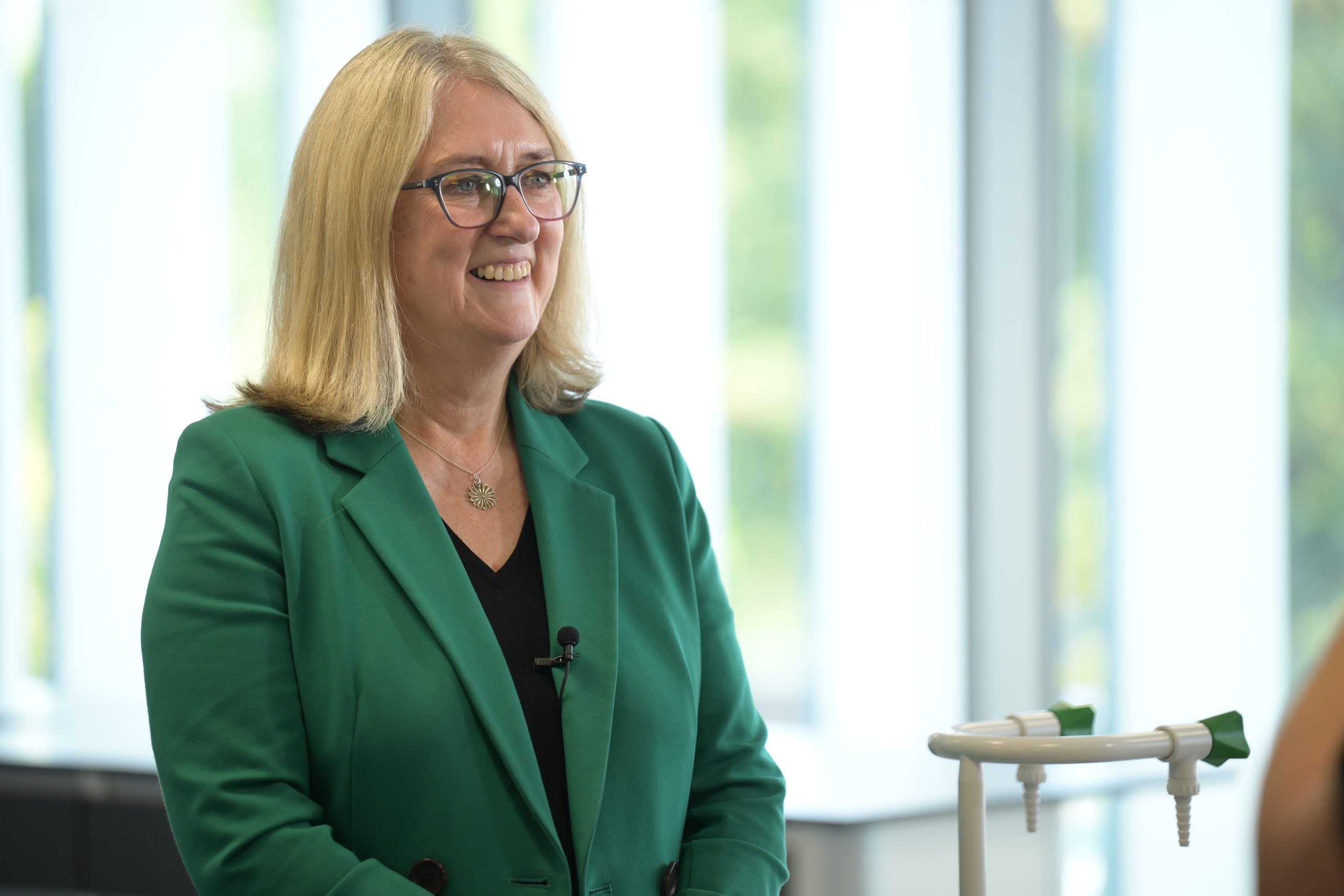
Skills minister Jacqui Smith says the £25bn employer tax rise is not the main driver of youth unemployment, now at 16.4%. Her offer to employers is £2,000 per young apprentice at small firms, with the payroll tax on 21- to 24-year-olds left as it is.
The Board Room · Leadership desk
What happened
- Smith said the big increase in youth unemployment happened before Labour came into government, during a rise between 2022 and 2024.
- Labour ministers have promised 50,000 more youth apprenticeships over the next two years.
- A cross-party committee of MPs called for a cut in employer NICs for all new workers under 25, citing what it called overwhelming evidence from businesses.
- The Conservatives pledged on Wednesday to halve the employer NICs rate from 15% to 7.5% for hires aged 21 to 24.
Why it matters
- contradiction The rate has kept rising under Labour, by about 28% of the total increase since 2022, so 'largely stable' holds only as a comparison with the steeper earlier climb.
- constraint The minister's defence does not answer the cost of hiring 21- to 24-year-olds, the band the CBI and the Conservatives want relieved.
- decision Employers budgeting under-25 hiring this year have new government money only on the small-firm apprenticeship route, so the choice of route now changes the cost of the same hire.
Smith's timing argument fits most of the record. The unemployment rate for 16- to 24-year-olds was about 10% in 2022 [7] and 14.6% at the start of Labour's term [6], a rise of roughly 4.6 percentage points under the previous government [20]. It has since climbed another 1.8 points, to 16.4% in the three months to July [5][19]. That later rise is about 28% of the increase since 2022 [21]. "Actually what has happened since then has been largely stable," Smith said. "So it isn't changes in NICs or minimum wage which has had the impact that you're suggesting." [3]
Her second argument covers fewer young people than it appears to. "Secondly, for young people they're not paying national insurance contributions anyway," she said [23]. Employers already pay no tax on the salaries of people hired under 21 [14]. The unemployment rate counts everyone from 16 to 24 [5]. That puts 21- to 24-year-olds inside the statistic and outside the exemption, at the 15% employer rate [22]. The CBI wants the exemption extended to all workers under 25 [14].
The skeptic's case is that payroll costs explain why the rate kept rising after 2024. The British Chambers of Commerce and the CBI said moves to bring the youth minimum wage up to the adult level deterred employers from taking on inexperienced workers [10]. Alan Milburn, the Neets tsar, said the tax rise in Rachel Reeves' first budget "added to the cost of employment" [12]. I think both accounts fit the numbers. The rise began before the tax [20], and the National Institute of Economic and Social Research's estimate that graduate hiring costs rose 7% because of the tax and wage changes [11] is a reasonable explanation for why it continued [19].
Smith did not dispute that the tax costs employers. "I understand that businesses would rather not have had a NICs rise," she said [4]. She added that businesses "also are quite keen that their workforce isn't sitting on waiting lists for operations that are keeping them out of the labour market and that of course was what we were spending that money on" [18]. The government's help for youth hiring comes as grants: the £2,000 per young apprentice at small firms, a new page matching firms with young applicants [8], and payments to firms that hire young people claiming Universal Credit [17].
An employer setting this quarter's hiring plan faces a choice of route for the same 22-year-old. As a regular hire, that worker carries the full employer rate [22]. As an apprentice at a small firm, the same worker brings the £2,000 grant [8]. Smith did not announce any change to employer contributions in her City AM interview [1].
Next quarter's question is political. Relief for the 21-to-24 band has backers among MPs and in the opposition [13][15], and none of them sets the rate. "Labour are destroying the future of our young people," shadow chancellor Andrew Griffith said. "We will slash the tax on youth jobs in half to give young people the opportunities they deserve." [16]
What to watch
- The government's response to the cross-party committee's call to cut employer NICs for all new hires under 25.
- The next youth unemployment figures: a reading above 16.4% would weaken the minister's case that the rate is largely stable.
- Take-up of the £2,000 small-firm apprentice grant against the pledge of 50,000 more youth apprenticeships in two years.
Clarity's read
What the record supports and how the coverage leans. The claims behind it follow.
Reality
- Evidence55
- Adoption
- Insufficient
- Hype gap+25
- Incentives75
- Confidence50
Claim ledger
Ranked by verification strength, evidence, and original report placement.
- [1]
The Labour government's £25bn hike in taxes paid by employers is not the main driver behind rising youth unemployment, skills minister Baroness Jacqui Smith told City AM.
- [2]
Smith said there was clear evidence that the big increase in youth unemployment came before Labour was elected, and that youth unemployment had been 'largely stable' compared with a rise between 2022 and 2024 under the last Conservative government.
- [3]
"Actually what has happened since then has been largely stable," Smith said. "So it isn't changes in NICs or minimum wage which has had the impact that you're suggesting."
- [4]
"I understand that businesses would rather not have had a NICs rise."
- [5]
The youth unemployment rate for those aged 16 to 24 was 16.4 per cent in the three months to July.
- [6]
Under Labour, the youth unemployment rate has climbed from 14.6 per cent.
- [7]
In 2022, the youth unemployment rate was about 10 per cent.
- [8]
Smith announced that small businesses would receive £2,000 for every young person taken on as an apprentice, and a new government page would connect businesses and young people looking for apprenticeship opportunities.
- [9]
Labour ministers have promised to offer 50,000 more youth apprenticeships over the next two years.
- [10]
Business groups including the British Chambers of Commerce and the Confederation of British Industry have said an effort to equalise the minimum wage for young people with the level for older workers had deterred employers from taking on more inexperienced workers.
- [11]
The National Institute of Economic and Social Research estimated in early 2026 that the cost of hiring graduates rose by seven per cent as a result of higher taxes for employers and changes to the national minimum wage.
- [12]
Neets tsar Alan Milburn said the tax hike in Rachel Reeves' first budget "added to the cost of employment" and hit high street venues harder.
- [13]
A cross-party committee of MPs called on the government to cut employers' NICs for all new workers under the age of 25, saying there was "overwhelming evidence" from businesses that rising labour costs partly driven by new taxes had reduced job opportunities.
- [14]
Employers currently do not have to pay tax on the salaries of people hired under the age of 21; the CBI has urged the government to extend the exemption to all workers under 25.
- [15]
On Wednesday the Conservatives pledged to halve the employer NICs rate from 15 per cent to 7.5 per cent when firms hire young people aged 21 to 24.
- [16]
Shadow chancellor Andrew Griffith said: "Labour are destroying the future of our young people. Their jobs tax, employment red tape and minimum wage hikes have seen an explosion in the cost of employing a young worker. We will fix that. We will slash the tax on youth jobs in half to give young people the opportunities they deserve."
- [17]
The government has looked to boost funding for its youth jobs guarantee and other grants where firms hire young people who have been claiming Universal Credit.
- [18]
"I mean they also are quite keen that their workforce isn't sitting on waiting lists for operations that are keeping them out of the labour market and that of course was what we were spending that money on."
- [19]
The 16-24 unemployment rate has risen about 1.8 percentage points under Labour.
- [20]
The 16-24 unemployment rate rose roughly 4.6 percentage points between 2022 and the start of Labour's term.
- [21]
The rise under Labour is about 28% of the total increase in the 16-24 unemployment rate since 2022.
- [22]
Hires aged 21 to 24 sit inside the 16-24 unemployment measure but outside the under-21 employer exemption, so employers pay the current 15% employer NICs rate on them.
- [23]
"Secondly, for young people they're not paying national insurance contributions anyway."
ReportedContestedSource: Jacqui Smith, quoted by City AM2 sources— create a free account to open themView cited source
Sources
1 independent publisher whose own reporting we read for this story.
- cityam.comMinister denies Labour’s tax hikes behind youth unemployment
1 article · October 8, 2026
Topics and entities
Follow any of these and your For You feed starts watching them — no settings page required.
Topics
- UK youth unemploymentFollow
- UK national minimum wageFollow
- ApprenticeshipsFollow
- Employer National Insurance contributionsFollow
Entities
- Jacqui SmithFollow
- Andrew GriffithFollow
- Alan MilburnFollow
- Rachel ReevesFollow
- CBIFollow
- British Chambers of CommerceFollow
- National Institute of Economic and Social ResearchFollow
- Labour PartyFollow
- Conservative PartyFollow