Public DNA data run through HGTScanner link Amborella to the parasitic plant Hachettea
UF biologists used a new tool, HGTScanner, to find Hachettea DNA in Amborella, the first known genetic link between the two plants. The link is inferred from sequence alone and has not been observed in the field.
The Scientist · Science desk
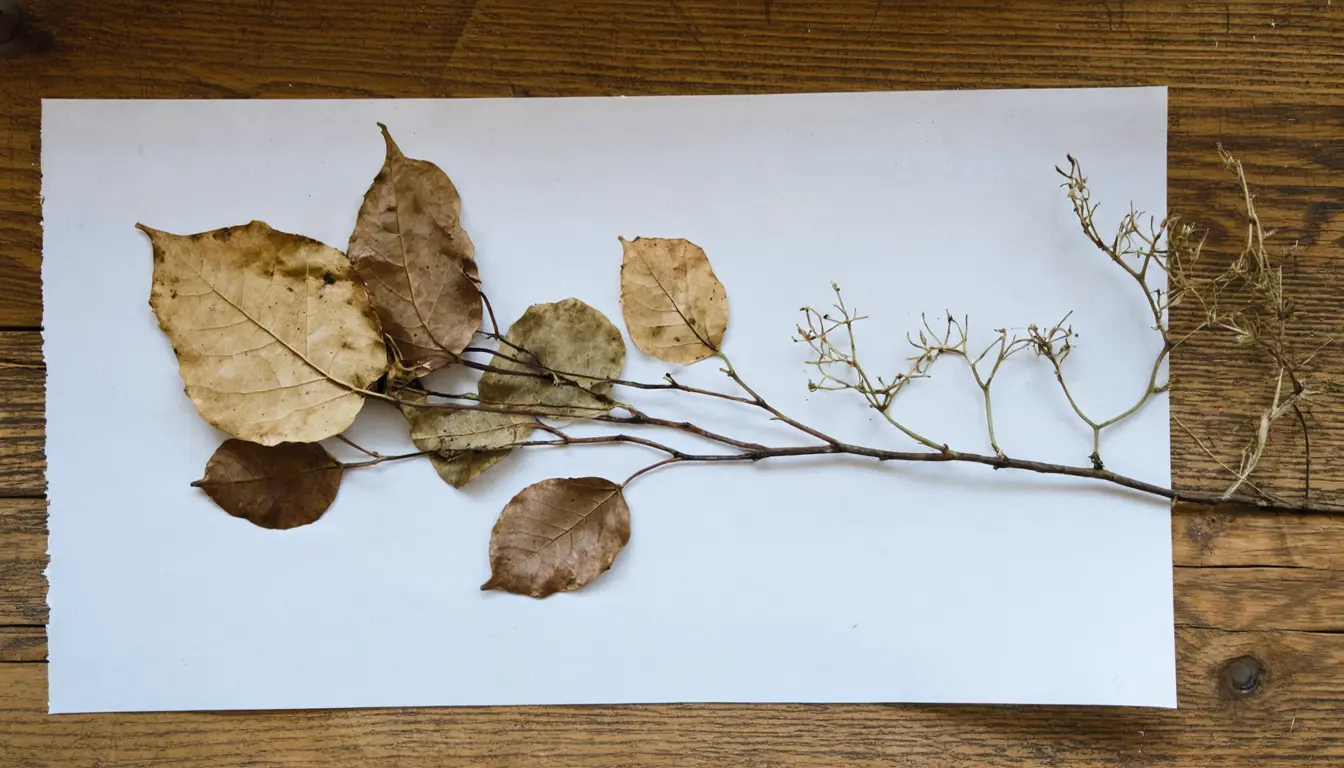
What happened
- Amborella is a rare New Caledonian shrub on the oldest surviving branch of flowering plants, and the scan was run on existing samples of it.
- Cai tested the tool on a public DNA database and picked Amborella because horizontal gene transfer is already well documented in the plant.
- Foreign DNA turned up where the team expected it, verifying the method, and the scan also identified novel transfers from Hachettea.
- The transfer ran from Hachettea into Amborella, the opposite of the typical host-parasite direction.
Why it matters
- capability Plant interactions can be screened in archived sequence data before a field season is planned, and Cohen said that saves time, money and resources.
- constraint Until field observation confirms it, the Hachettea link is a sequence-based inference, and the Amborella check validates detection of known transfers only.
- precedent The Amborella samples were available to anyone, so the same scan can in principle be run on other archived plant data.
Recovering known Amborella transfers works as a positive control [5][6]. It rules out a scanner that misses cases already documented in the plant. It cannot show how often the scanner calls a transfer that is not there. The account of the work gives neither the number of transfers the scan found nor its error rates.
Cai said anyone could have used the Amborella samples [5]. She said there previously were no tools that could identify horizontal gene transfer and pinpoint the donor and receiver [10]. That pairing matters here, because a scan that reported only "foreign DNA present" could not say which way the DNA moved. The paper in Methods in Ecology and Evolution describes detecting horizontal gene transfer at the fine scale using whole organelle genomes [4].
Cai framed the method as a different route to a familiar question. She said [9]:
"When such interaction is so intense, these different parties can sometimes even exchange their genetic materials, and this is how our tool can be handy."
Her own word is "sometimes." A scan can only see interactions intense enough to leave DNA behind, so a clean result would not show that two plants never interact. In our view a sequence shows only that DNA moved, and describing the living relationship takes more than that. The reversed direction of transfer [7] sharpens that gap.
Cohen, a postdoctoral researcher in the biology department, said that making the discovery with HGTScanner can have the same impact as making observations in the field [13]. She also said why the association record matters for parasitic plants [12]:
"In particular for parasitic plants, understanding who they're associated with, who they've associated with throughout their histories, can help us understand biodiversity at a greater scale," Cohen said, "and also maybe give us insight into who they might continue to parasitize and how that might work."
What to watch
- The team's planned trip to New Caledonia to verify the Hachettea-Amborella interaction in the field.
- Whether the paper reports how many transfers the scan found and how often it flags DNA that is not foreign.
- Whether other groups rescan public plant datasets with HGTScanner and find donor-receiver pairs of their own.
Clarity's read
What the record supports and how the coverage leans. The claims behind it follow.
Reality
- Evidence55
- Adoption
- Insufficient
- Hype gap+15
- Incentives
- Insufficient
- Confidence50
Claim ledger
Ranked by verification strength, evidence, and original report placement.
- [1]
A genetic analysis tool developed by UF assistant professor of biology Liming Cai led to the discovery of the first known interaction between Amborella and a parasitic plant called Hachettea.
- [2]
Amborella is a rare shrub native to New Caledonia and represents the oldest surviving branch of flowering plants; HGTScanner found alien DNA in existing samples of it.
- [3]
Cai said little is known about Amborella's life history despite its critical position in the evolutionary history of plants, and that this is the most significant finding from her new tool so far.
- [4]
The work is published as Liming Cai et al., HGTScanner: Detecting horizontal gene transfer at the fine scale using whole organelle genomes, in Methods in Ecology and Evolution (2026).
- [5]
Cai used a public DNA database to test her tool and picked Amborella because horizontal gene transfer is well documented in the plant; anyone could have used the DNA samples that led to this finding.
- [6]
The team found the alien DNA where they expected to find it, verifying the method while identifying novel transfers from Hachettea.
- [7]
The gene transfer went from Hachettea to Amborella, the opposite of typical host-parasite gene transfer.
- [8]
The team will look toward making a trip to New Caledonia to verify the ecological interaction.
- [9]
"When such interaction is so intense, these different parties can sometimes even exchange their genetic materials, and this is how our tool can be handy."
- [10]
Cai said that since there previously were no tools that could help identify horizontal gene transfer and pinpoint the donor and receiver, she was motivated to develop her own.
- [11]
Cohen said the tool allowed the team to make this finding while saving time, money and resources for future fieldwork.
- [12]
"In particular for parasitic plants, understanding who they're associated with, who they've associated with throughout their histories, can help us understand biodiversity at a greater scale," Cohen said, "and also maybe give us insight into who they might continue to parasitize and how that might work."
- [13]
Cohen said being able to make this discovery with HGTScanner can have the same impact as making observations in the field.
Get this ledger inside ChatGPT. Ask about any of our stories and the answer brings its figure, each claim’s verdict and the sources. Free, no account.
Sources
1 independent publisher whose own reporting we read for this story.
Topics and entities
Follow any of these and your For You feed starts watching them — no settings page required.
Topics
- Parasitic plantsFollow
- Plant genomicsFollow
- Horizontal gene transferFollow