ScienceNot yet confirmed elsewhere1 publisher2 min readPublished
University of Florida researchers link button mushroom blotch to more than 17 species of bacteria
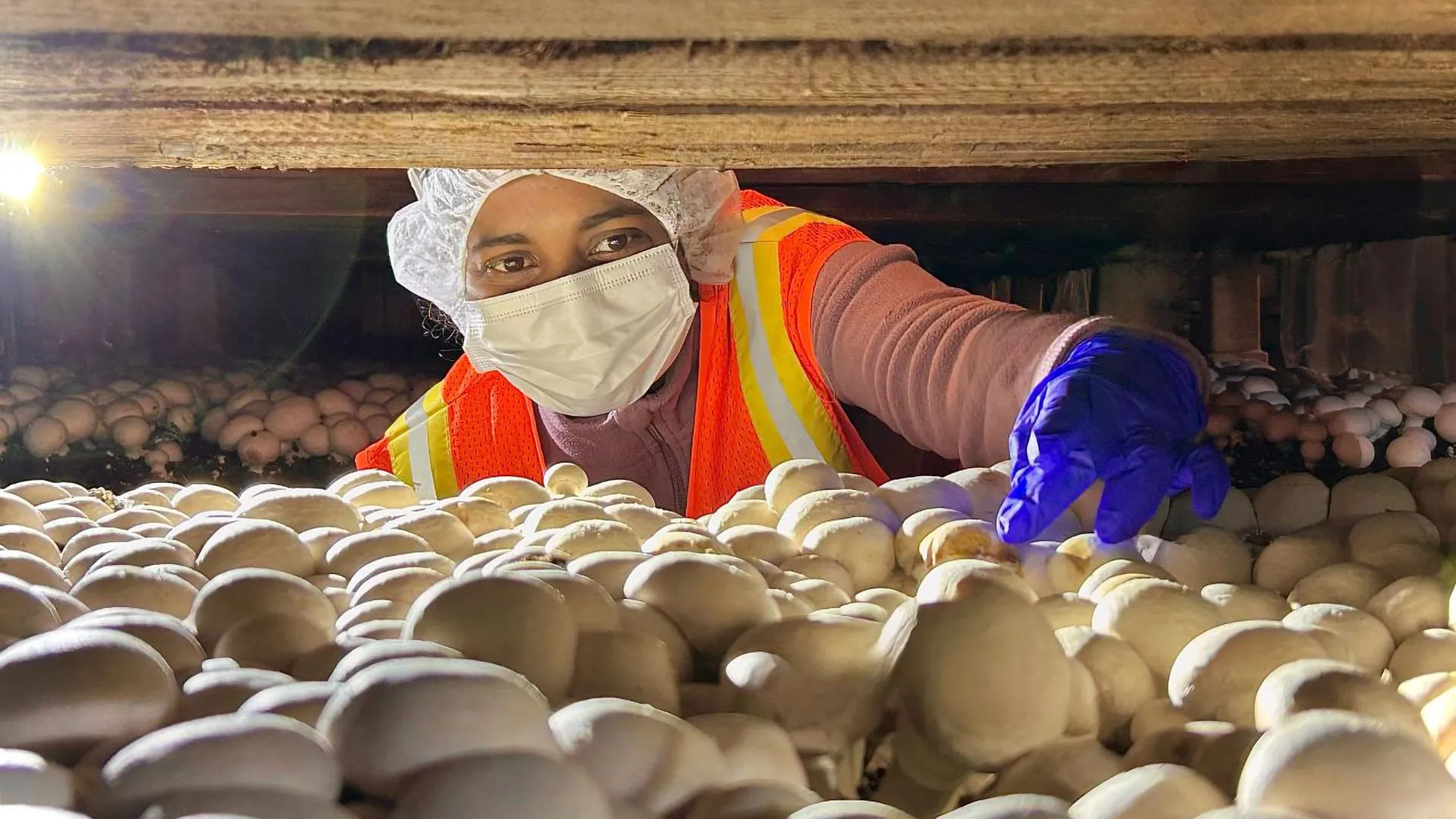
University of Florida researchers found more than 17 species of pathogenic bacteria associated with bacterial blotch of white button mushrooms. The university says that means single-pathogen methods may not be sufficient, a claim the identification work cannot test by itself.
The Scientist · Science desk
What happened
- The team collected affected mushrooms from several production facilities across the southern United States.
- They identified the bacteria with DNA sequencing, chemical profiling and conventional laboratory testing, and the lab tests helped characterize disease-causing potential.
- For many years, scientists had primarily associated bacterial blotch with a single disease-causing bacterial pathogen.
- The disease causes brown or yellow discoloration on mushroom surfaces and can lower yields and shorten shelf life.
Why it matters
- constraint A treatment trial that challenges mushrooms with one pathogen can overstate protection if other species produce the same discoloration, which is the point the university makes about single-target methods.
- decision Anyone building diagnostics or treatments now has to choose between aiming at the dominant pathogens and covering the wider bacterial community; Martins said a separate USDA-funded project is developing diagnostics and solutions.
- contradiction The one-pathogen versus 17-species framing sits beside Mudiyanselage's statement that two known pathogens "dominated the known disease profile", so the new element is mainly a group of bacteria not previously linked to the disease.
The 17 is a count of association, and the lead author's wording says so. Sameerika Mudiyanselage said, "We found more than 17 different species of pathogenic bacteria associated with the disease" [4]. Sequencing tells you which bacteria are on a damaged mushroom. It cannot say which of them did the damage. The study's laboratory testing helped characterize disease-causing potential [3], and in our view that part of the work matters more to a grower than the species count.
The link to failed treatments is a hypothesis. "For years, the industry has struggled with treatments that provide inconsistent results against bacterial blotch," said Samuel Martins, a co-author and assistant professor in the UF/IFAS Department of Plant Pathology [11]. A multi-species cause would produce that pattern. So could a scoring problem. Symptoms sometimes appear only after mushrooms have shipped to grocery stores or been bought [7], and a trial judged at harvest could miss those late lesions.
The thing this study can't yet tell a grower is how much each species adds to crop loss. The release does not report a sample count. The mushrooms came from southern facilities [2], so farms elsewhere may carry a different mix.
The test could come from a separate federal project. Martins said, "As part of a separate $7 million U.S. Department of Agriculture grant involving Penn State, University of Delaware and UF/IFAS, we are developing advanced diagnostics and sustainable solutions to strengthen mushroom farms nationwide" [9]. Diagnostics that count species on each farm, set against that farm's losses and treatment results, would show whether the number matters.
What to watch
- Species-by-species testing on healthy mushrooms, which would show which of the 17-plus bacteria actually produce blotch.
- Results from the USDA-funded diagnostics project, in particular whether a farm's bacterial mix predicts how a treatment performs there.
- Sampling from farms outside the southern United States, to see whether the same mix of species appears.
Clarity's read
What the record supports and how the coverage leans. The claims behind it follow.
Reality
- Evidence45
- Adoption
- Insufficient
- Hype gap+20
- Incentives40
- Confidence50
Claim ledger
Ranked by verification strength, evidence, and original report placement.
- [1]
University of Florida researchers found that bacterial blotch of white button mushrooms involves more than 17 species of harmful bacteria, not just one.
- [2]
The research team collected affected mushrooms from several production facilities across the southern United States.
- [3]
The scientists combined DNA sequencing, chemical profiling and conventional laboratory testing to identify the bacteria associated with the damaged mushrooms; the additional tests helped characterize the bacteria and their disease-causing potential.
- [4]
"We found more than 17 different species of pathogenic bacteria associated with the disease," said Sameerika Mudiyanselage, the study's lead author and a doctoral student at UF/IFAS.
- [5]
Mudiyanselage said: "While two well-known bacterial pathogens dominated the known disease profile, we also detected a surprisingly high level of another group of bacteria that has not previously been linked to the mushroom disease."
- [6]
Bacterial blotch causes brown or yellow discoloration on mushroom surfaces, and it can also lower crop yields and shorten shelf life.
- [7]
Visible symptoms of bacterial blotch sometimes develop only after mushrooms have been shipped to grocery stores or purchased by consumers.
- [8]
For many years, scientists primarily associated bacterial blotch with a single disease-causing bacterial pathogen.
- [9]
Martins said: "As part of a separate $7 million U.S. Department of Agriculture grant involving Penn State, University of Delaware and UF/IFAS, we are developing advanced diagnostics and sustainable solutions to strengthen mushroom farms nationwide."
- [10]
Because several bacterial species may contribute to the same disease, methods designed to target a single pathogen may not be sufficient.
- [11]
"For years, the industry has struggled with treatments that provide inconsistent results against bacterial blotch," said Samuel Martins, co-author and assistant professor in the UF/IFAS Department of Plant Pathology.
Sources
1 independent publisher whose own reporting we read for this story.
- sciencedaily.comScientists discover why a 100-year-old mushroom disease won't go away
1 article · October 11, 2026
Topics and entities
Follow any of these and your For You feed starts watching them — no settings page required.
Entities
- University of FloridaFollow
- ScienceDailyFollow
- Samuel MartinsFollow
- Sameerika MudiyanselageFollow
- Bacterial blotchFollow
- U.S. Department of AgricultureFollow