Healey reportedly drops plan to match capital gains tax to income tax rates
Chancellor John Healey has internally ruled out aligning capital gains tax with income tax before the 28 October Budget, the Financial Times reported. The Treasury has not confirmed it, so sellers can treat full alignment as unlikely this quarter while waiting for the Budget statement itself.
The Board Room · Leadership desk
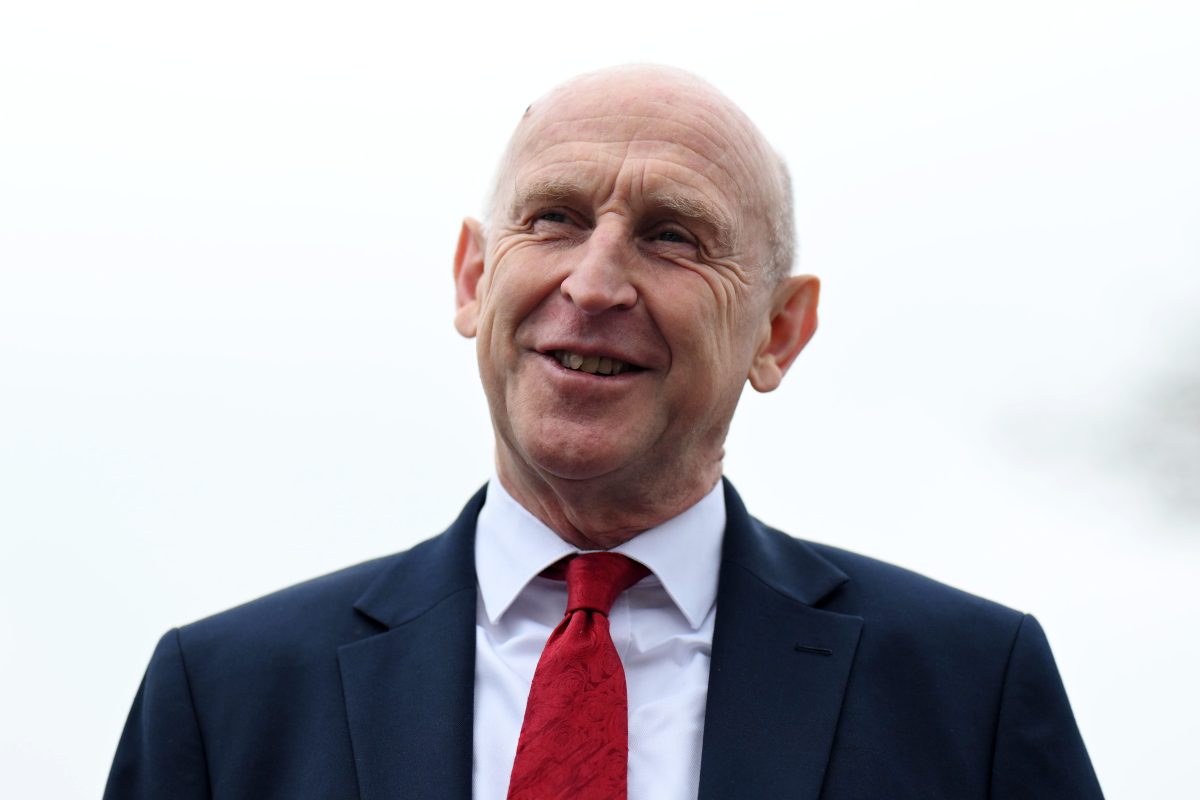
Key figures: rumoured alignment could set CGT at income tax rates up to 45 per cent; CGT on most gains is now charged at 18 to 24 per cent; Centax says the change could generate £14bn for the Treasury.
| Figure | Value | Note | Claim |
|---|---|---|---|
| Top income tax rate in rumoured CGT alignment | 45% | 2 | |
| Current CGT on most gains, at least | 18% | up to 24 per cent | 1 |
| Could raise, per Centax | £14bn | 6 |
What happened
- Several senior cabinet ministers pushed for equalisation in recent months, with Louise Haigh, Neil Kinnock and Wes Streeting among those named.
- The rumoured options matched CGT to income tax rates of 20, 40 or 45 per cent, against the 18 to 24 per cent charged now on most gains.
- The Institute for Public Policy Research called the change a "no-brainer", and Centax put its yield at up to £14bn.
Why it matters
- decision An owner timing a sale before the Budget loses the main reason to hurry if the report holds, and gains a reason to wait for the terms of the reinvestment relief.
- exposure Only full alignment is reported as ruled out. The report does not say whether a smaller rise in CGT rates, or other CGT changes, are also excluded.
- constraint With the largest reported CGT option gone, the revenue has to come from elsewhere, and the Shadow Chancellor, Andrew Griffith, has already called for any tax increases to be ruled out.
The record here is one chain. City AM summarises a Financial Times report, and the Financial Times says Healey ruled the move out internally [13]. City AM's own wording is that he has "reportedly" rejected the calls [12]. A skeptic would point to the Treasury's reply. A spokesperson said: "Decisions on tax are a matter for the Chancellor to set out at fiscal events, rather than routinely commenting on rumour, speculation or proposals." [8] That is a standard refusal to comment, and it would read the same whether the report is right or wrong. It does tell a seller when the question closes, which is when the Chancellor speaks at the Budget [3].
The relief the Treasury is reportedly drafting matters more to the timing of a sale than the headline rate does. It is aimed at entrepreneurs who sell a business and reinvest in the UK [17]. If it appears in the Budget, an owner's tax could depend on what is done with the proceeds, and a sale completed beforehand would be priced without knowing whether the relief exists. Waiting costs time and leaves a deal exposed to whatever else the Budget contains. Selling early removes that exposure and gives up the chance to see the relief's terms first.
The revenue case is where the sources disagree. Centax argued the change could raise £14bn [6]. A person cited by the Financial Times argued it could distort investor behaviour, with people leaving the UK or delaying asset sales, and so lower Treasury revenue [14]. Set against the Institute for Fiscal Studies' warning on Sunday of a £35bn hole in spending plans [5], £14bn is 40 per cent [11]. The two figures measure different things, so 40 per cent gives only the scale of the option. Economists say Healey's headroom, £23.6bn in March, has shrunk since the Middle East conflict [4].
Industry reaction pointed one way. Anna Macdonald, investment strategy director at Hargreaves Lansdown, told City AM that a fresh upheaval in CGT would "penalise investors" and put them off investing in the domestic stock market [15]. "We really hope it's not going to be in the Budget," she said [16].
What to watch
- The Budget statement on 28 October: whether CGT rates or allowances move at all, and the conditions attached to any relief for entrepreneurs who reinvest.
- Any public response from the cabinet ministers who backed equalisation, since the report describes the decision as internal.
- Revised headroom estimates against the IFS's £35bn warning, which set how much revenue the Chancellor has to find without this option.
Clarity's read
What the record supports and how the coverage leans. The claims behind it follow.
Reality
- Evidence35
- Adoption
- Insufficient
- Hype gap+20
- Incentives55
- Confidence40
Claim ledger
Ranked by verification strength, evidence, and original report placement.
- [1]
Capital gains tax is currently charged at 18 to 24 per cent on most gains, including shares, funds and residential properties.
- [2]
Rumoured Treasury proposals suggested ministers could align CGT rates with income tax rates of 20, 40 or 45 per cent.
- [3]
Healey's maiden Budget is on 28 October.
- [4]
Economists have forecast that Healey's headroom, which sat at £23.6bn in March, has shrunk in the wake of the conflict in the Middle East.
- [5]
On Sunday the Institute for Fiscal Studies warned that Healey faces a £35bn black hole in the government's spending plans.
- [6]
Left-leaning think-tank Centax has argued the proposed change could generate £14bn for the Treasury.
- [7]
The Institute for Public Policy Research, a Labour-aligned group, has called the move a 'no-brainer'.
- [8]
A Treasury spokesperson said: "Decisions on tax are a matter for the Chancellor to set out at fiscal events, rather than routinely commenting on rumour, speculation or proposals."
- [9]
Several senior cabinet ministers have in recent months called for CGT to be equalised with income tax; the call was backed by key allies of Prime Minister Andy Burnham including Louise Haigh, and Neil Kinnock and defence secretary Wes Streeting also joined those urging Healey.
- [10]
Shadow Chancellor Andrew Griffith said the Chancellor needs to rule out any tax increases and grip welfare spending.
- [11]
Centax's £14bn is 40 per cent of the IFS's £35bn figure.
- [12]
Chancellor John Healey has reportedly rejected calls by senior Labour figures to raise capital gains tax to the same levels as income tax, according to City AM.
- [13]
According to a report in the Financial Times, Healey has internally ruled out the move to equalise capital gains tax with income tax.
- [14]
One person cited by the Financial Times argued the move could distort investors' behaviour and cause people to leave the UK or delay asset sales, ultimately lowering Treasury revenue.
- [15]
Anna Macdonald, investment strategy director at Hargreaves Lansdown, told City AM that a fresh upheaval of CGT would 'penalise investors' and put them off investing in the domestic stock market.
- [16]
Anna Macdonald said: "We really hope it's not going to be in the Budget."
- [17]
The Treasury is reportedly working on capital gains relief proposals designed to encourage entrepreneurs who sell their business to reinvest in the UK.
Get this ledger inside ChatGPT. Ask about any of our stories and the answer brings its figure, each claim’s verdict and the sources. Free, no account.
Sources
1 independent publisher whose own reporting we read for this story.
- cityam.comHealey rejects calls to equalise capital gains and income tax rates
1 article · October 13, 2026
Topics and entities
Follow any of these and your For You feed starts watching them — no settings page required.
Topics
- UK capital gains taxFollow
- UK fiscal policyFollow
- UK autumn budgetFollow
Entities
- Institute for Fiscal StudiesFollow
- City AMFollow
- HM TreasuryFollow
- Hargreaves LansdownFollow
- John HealeyFollow
- Financial TimesFollow
- Institute for Public Policy ResearchFollow