LeadershipNot yet confirmed elsewhere1 publisher2 min readPublished
Inflation could cost Healey up to £35bn in departmental funding, the IFS says
The IFS says inflation could force Chancellor John Healey to add up to £35bn to departmental budgets by decade-end, a bigger problem than borrowing costs. Headroom for 2029-30 slips only to about £20bn from £24bn, so the harder Budget call is on departmental spending.
The Board Room · Leadership desk
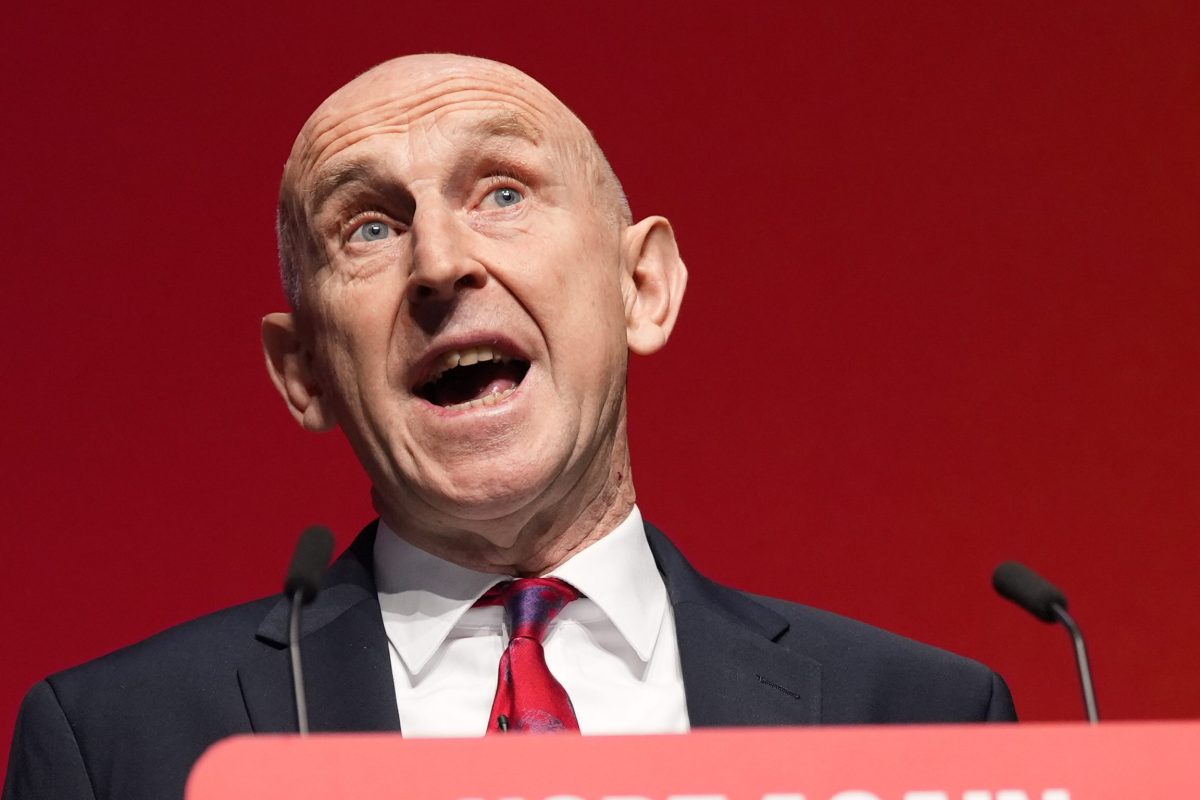
Two values: the March forecast put the government's fiscal headroom for 2029-30 at £24bn. The IFS now estimates it at about £20bn, which is lower.
| Measure | Value | As of | Claim |
|---|---|---|---|
| March forecast | 24 £bn | 3 | |
| IFS estimate | 20 £bn | 3 |
What happened
- IFS researchers say the Chancellor must either accept real-terms cuts to public services or commit to higher spending to avoid them.
- The IFS adds that if Healey avoids that choice, his plan for meeting the fiscal rules will not be credible.
- Healey is preparing to meet finance ministers at an IMF summit in Bangkok, where he will argue that borrowing is under control.
Why it matters
- constraint Headroom cannot pay for the top-up. Even if every pound of the £20bn went on it, about £15bn of the £35bn would still have to be found.
- cost Funding the top-up puts tax rises or benefit cuts of around £35bn on taxpayers or benefit recipients. Squeezing departments moves the cost to people who use public services.
- exposure The headroom estimate leans on inflation lifting tax revenue to offset higher interest costs. If activity weakens, that offset shrinks, and one month of BDO output data does not yet show it.
The IFS figures answer two separate questions. The headroom figure moves by £4bn [16]. The £35bn is the sum needed to stop inflation eroding departmental budgets in real terms by the end of the decade [1]. The think tank calls that erosion the bigger issue for this month's Budget [4].
The same inflation sits on both sides of the ledger. According to the IFS, it lifts tax revenues enough to offset much of the extra £10bn of borrowing that higher interest rates on government debt would cause in 2029-30 [2]. It also erodes the real value of departmental budgets [4]. If the £10bn were the only change since March, a £4bn fall in headroom would imply about £6bn of offset [18]. City AM's account of the IFS work does not include the inflation path or the other forecast changes behind those numbers.
Helen Miller, the IFS director, framed the test around what the Chancellor would actually deliver. She said he "must set out overall spending envelopes that he would be genuinely prepared to live within" [8]. She did not rule out a squeeze, but she attached a condition: "If he chooses the path of squeezing public spending, he should be transparent that there are tough years ahead for some public services." [9] The option she excluded was the middle one. "Simply pencilling in implicit cuts that he has no intention of delivering would make the Budget a work of fiction," she said [10].
The Budget is this month, but the £35bn is an end-of-decade figure [1] and the headroom comparison is for 2029-30 [3]. The BDO data are a single month from one advisory firm. Its inflation index rose to 103.65 in September, the highest since June 2023 [13], while its output index fell from 100.30 to 99.19 [14].
Healey's statement ahead of the IMF summit in Bangkok leans on discipline. "My Budget will build on this approach with fiscal discipline helping to deliver economic resilience. This means breathing space for today, and hope for the future," he said [15]. According to City AM, he will tell allies the government is committed to getting borrowing under control while the Iran war's costs prompt calls for more spending on cost of living support [12].
We do not know yet which of the IFS's routes he will take. A funded top-up means naming the tax rises or benefit cuts [6]. A squeeze means saying so in public, the condition Miller set [9].
What to watch
- Whether the Budget's departmental spending envelopes hold real-terms levels, and whether they come with named tax or benefit measures of anything near £35bn.
- Whether the Treasury's own 2029-30 headroom figure lands near the IFS's estimate of about £20bn.
- The next BDO inflation and output readings, to see whether September's fall in output is repeated.
Clarity's read
What the record supports and how the coverage leans. The claims behind it follow.
Reality
- Evidence55
- Adoption
- Insufficient
- Hype gap+15
- Incentives
- Insufficient
- Confidence50
Claim ledger
Ranked by verification strength, evidence, and original report placement.
- [1]
The IFS said John Healey might have to top up department budgets by as much as £35bn by the end of the decade to stop the real-terms value of spending being eroded by inflation.
- [2]
The IFS found that higher interest rates on government debt will push up borrowing by about £10bn in 2029-30, though much of this would be offset as rising inflation pushes up tax revenues.
- [3]
The government's fiscal headroom could be about £20bn in 2029-30, compared with the £24bn forecast in March, the IFS said.
- [4]
The IFS said the bigger issue Healey will need to face at this month's Budget is the real-terms erosion of departmental budgets that will occur as inflation rises.
- [5]
IFS researchers said the Chancellor will have to address the issue head-on by either accepting real-terms cuts to public services or committing to increased spending to avoid cuts to budgets.
- [6]
If Healey chooses to top up departments' budgets, this could require tax rises or benefit cuts of around £35bn, according to the IFS's forecasts.
ReportedSupportedSource: Institute for Fiscal Studies forecasts, as reported by City AMView cited source - [7]
The IFS said that if Healey opts to avoid the dilemma altogether, 'his plan for meeting the fiscal rules will not be credible'.
- [8]
Helen Miller, director of the IFS, said: 'The Chancellor must set out overall spending envelopes that he would be genuinely prepared to live within.'
- [9]
Helen Miller said: 'If he chooses the path of squeezing public spending, he should be transparent that there are tough years ahead for some public services.'
- [10]
Helen Miller said: 'Simply pencilling in implicit cuts that he has no intention of delivering would make the Budget a work of fiction.'
- [11]
The Chancellor is preparing to meet finance ministers from around the world at an IMF summit in Bangkok.
- [12]
Healey will seek to prove to the UK's allies that the government is committed to getting borrowing under control, even as rising costs caused by the Iran war prompt calls for more spending on cost of living support.
- [13]
Advisory firm BDO's inflation index rose to 103.65 in September, its highest reading since June 2023.
- [14]
BDO's output index fell from 100.30 to 99.19 in September, as rising costs and weakening consumer confidence hit British firms.
- [15]
Speaking ahead of the IMF summit, Healey said: 'My Budget will build on this approach with fiscal discipline helping to deliver economic resilience. This means breathing space for today, and hope for the future.'
- [16]
Fiscal headroom for 2029-30 falls by about £4bn, from £24bn forecast in March to about £20bn.
- [17]
If every pound of the £20bn headroom were spent on the departmental top-up, about £15bn of the £35bn would still need to be found.
- [18]
If the extra £10bn of borrowing were the only change since March, a £4bn fall in headroom would imply about £6bn of offset from higher tax revenues.
Sources
1 independent publisher whose own reporting we read for this story.
- cityam.comRampant inflation could land Healey with £35bn bill, IFS warns
1 article · October 11, 2026
Topics and entities
Follow any of these and your For You feed starts watching them — no settings page required.
Topics
- Public spendingFollow
- UK fiscal policyFollow
- InflationFollow
Entities
- Institute for Fiscal StudiesFollow
- John HealeyFollow
- Helen MillerFollow
- BDOFollow
- International Monetary FundFollow