Columbia says depression stalls new neurons. The subtype it implies has no test yet
The first human evidence for the neurogenesis hypothesis arrives with a hedge from the lead author and no described way to measure the marker in a living patient.
The Scientist · Science desk
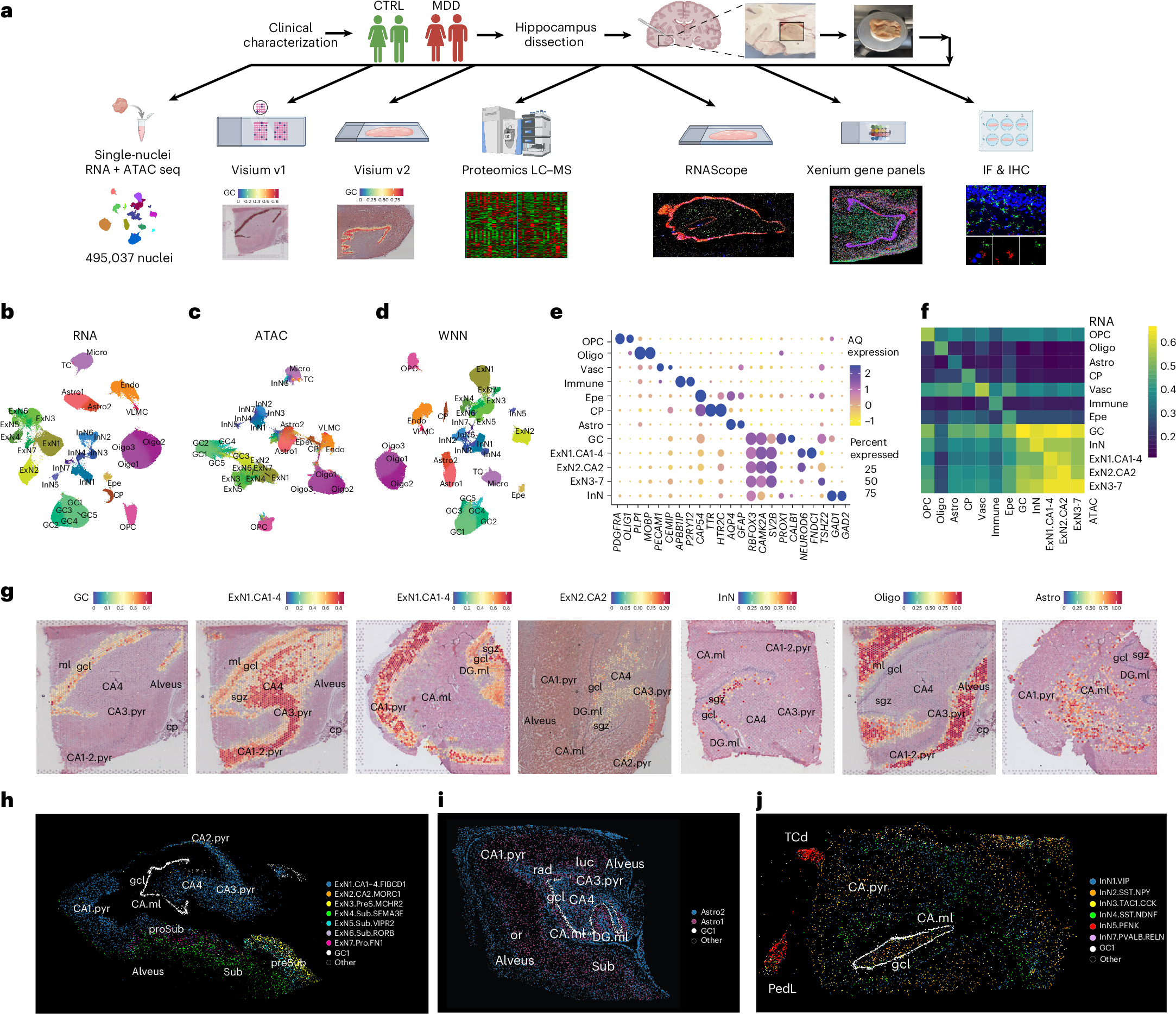
What happened
- Columbia researchers report that adults with depression show disrupted production of new neurons in the hippocampus.
- The gene changes reached past neurogenesis into synapse building, communication between brain cells, cellular energy supply and transport of materials inside cells.
- The trisynaptic circuit, the hippocampus's main pathway for new emotional memories, showed inflammation and cellular stress in people with depression.
- Columbia presents the molecular programs it identified as a route to treatments tailored to different biological forms of depression.
Why it matters
- constraint Until the methods and the cohort are on the page, the first-evidence label has to be accepted on the issuing institution's word, which is a poor basis for anyone deciding where to put research money.
- capability If the target is a neuron's capacity to adapt rather than the amount of serotonin around it, drug screening acquires a different endpoint to aim at than the one the last few decades were built on.
- decision Anyone designing a stratified depression trial must now choose between waiting for a detectable marker and enrolling patients on symptoms while calling the result a biological subtype.
- precedent Causal claims about human neurogenesis will keep leaning on people whose neurogenesis was destroyed for unrelated medical reasons, because that is the only human design on offer.
Pattern separation is the load-bearing idea here, and in humans it is assembled rather than demonstrated. The hippocampus lets similar memories be held apart and keeps the feeling attached to one from bleeding into another; when that fails, a friend who is quiet over lunch gets filed with every earlier experience of rejection, which is how Maura Dupont, the Columbia psychiatrist who led the work, describes patients who can retrieve only the negative version of their own history [6][2]. Mouse work established that adult neurogenesis is necessary for that sorting [10]. The nearest human evidence is a cohort of brain tumour patients whose hippocampal neurogenesis was eliminated by radiation, which the group reads as suggesting the relationship carries over [11]. Count the links and you get one animal necessity result and two human observations, with no experiment that manipulates neurogenesis in a depressed person [9]. Dupont says the mechanism is not fully worked out, particularly in humans, and that newborn neurons appear to help because they take up new experiences readily [1].
That hedge is not decoration. Her treatment sentence carries its own condition: switching neurogenesis back on may help "in some people" by rewiring the hippocampal circuit [17]. So the subtype argument sits inside the finding rather than being appended to it, and it arrives with an awkward requirement. Nothing in the material describes a way to measure adult hippocampal neurogenesis in someone who is alive [13]. A molecular subtype you cannot detect in a patient is a research category, not a prescribing category.
Scale is worth keeping in view. Most of the roughly 100 billion neurons a person has were made before birth, and the adult hippocampus adds a small number on top of that [4]. The claim is that this thin stream of cells carries disproportionate weight for resilience, and it lands against a history in which depression was read as a shortage of neurotransmitters, serotonin above all. Dupont's position is that the disorder instead comes from several problems in how neurons adapt to stress and to a changing environment [3]. Only a few regions of the adult brain make new neurons at all, which is part of why the hippocampus keeps absorbing the attention [5].
What Columbia has produced is a human data point aimed the way the rodent literature already pointed, and it is labelled a first [15][10]. What the field still does not have is any way to tell which patient in the waiting room is the one whose hippocampus has stopped [13].
What to watch
- Whether an independent tissue collection reproduces the same molecular programs.
- Any proposed proxy for hippocampal neurogenesis that can be measured in a living patient.
- Whether a depression trial adopts a biological enrolment criterion drawn from this work.
Clarity's read
What the record supports and how the coverage leans. The claims behind it follow.
Reality
- Evidence57
- Adoption10
- Hype gap+38
- Incentives62
- Confidence68
Claim ledger
Ranked by verification strength, evidence, and original report placement.
- [1]
Dupont: "It's important to emphasize that we do not yet know the complete mechanism, particularly in humans," adding that newborn neurons seem to enhance pattern separation because they are especially responsive to new experiences and are more easily incorporated into new memory circuits.
- [2]
The research was led by Maura Dupont, professor of psychiatry at Columbia University Vagelos College of Physicians and Surgeons, and was released by Columbia University Irving Medical Center on August 25, 2026.
- [3]
Dupont: "Historically, depression was thought to be a disease of neurotransmitter deficiency, especially serotonin, but we now think that depression stems from multiple issues that affect our neurons' ability to adapt to stress and changing environments."
- [4]
Most of the brain's roughly 100 billion neurons are produced before birth, with a small number of new neurons continuing to form in the adult hippocampus.
- [5]
The hippocampus plays a major role in episodic memory and emotional responses and is one of the few areas of the adult brain that continues to generate new neurons.
- [6]
Pattern separation is the ability to distinguish similar but different memories and separate the emotional connotation of past memories from current events; when impaired, memories and their emotions blend, as in Dupont's example of a quiet friend at lunch being mixed with earlier memories of feeling rejected. She says she sees patients who can only retrieve negative information from their memories.
- [7]
The affected genes included those involved in building new connections between neurons, supporting communication among brain cells, supplying cellular energy, and moving materials within cells.
- [8]
The trisynaptic circuit, the hippocampus's primary pathway for establishing new emotional memories, showed evidence of inflammation and cellular stress in people with depression.
- [9]
The human case rests on one animal necessity result plus two human observations, and includes no experiment that manipulates neurogenesis in a depressed person.
- [10]
Research in mice has shown that adult neurogenesis is necessary for pattern separation.
- [11]
A recent study of patients with brain tumours, in whom neurogenesis was eliminated by radiation therapy directed at the hippocampus, suggests the same relationship between neurogenesis and pattern separation may exist in humans.
- [12]
The supplied release text reports no sample size, no cohort description and no journal, and the sentence describing how the changes were identified is cut off mid-word.
- [13]
The material describes no method for measuring adult hippocampal neurogenesis in a living patient.
- [14]
A Columbia University study found that adults with depression show disrupted production of new neurons in the hippocampus.
- [15]
The researchers say the findings provide the first evidence that neurogenesis stalls in the brains of adults with major depressive disorder.
- [16]
The researchers identified broad molecular changes and molecular programs controlling neurogenesis that they say could open the door to new treatments tailored to different biological forms of depression.
- [17]
Dupont: "Turning neurogenesis back on may be a way to treat depression in some people by rewiring their hippocampus circuit."
Get this ledger inside ChatGPT. Ask about any of our stories and the answer brings its figure, each claim’s verdict and the sources. Free, no account.
Sources
2 independent publishers whose own reporting we read for this story.
- nature.comThe brain struggles to make new neurons in people with depression
1 article · August 24, 2026
- sciencedaily.comDepression may shut down the brain’s ability to make new neurons
1 article · August 24, 2026
Topics and entities
Follow any of these and your For You feed starts watching them — no settings page required.
Topics
Entities
- Evgenia SaltaFollow
- University of PennsylvaniaFollow
- Netherlands Institute for NeuroscienceFollow
- Nature MedicineFollow
- Columbia University Irving Medical CenterFollow
- Gerd KempermannFollow
- Trisynaptic CircuitFollow
- Single-nucleus RNA sequencingFollow
- German Center for Neurodegenerative DiseasesFollow
- Amelia EischFollow
- Maura Boldrini DupontFollow