ScienceNot yet confirmed elsewhere1 publisher3 min readPublished
Three lions dead at Tama Zoo: thermal welfare becomes a budget line, not a design footnote
Three lions died at Tama Zoo in Japan during a heat wave above 40C. The harder problem is that ambient temperature alone does not tell a keeper which animals are near their limit.
The Scientist · Science desk
What happened
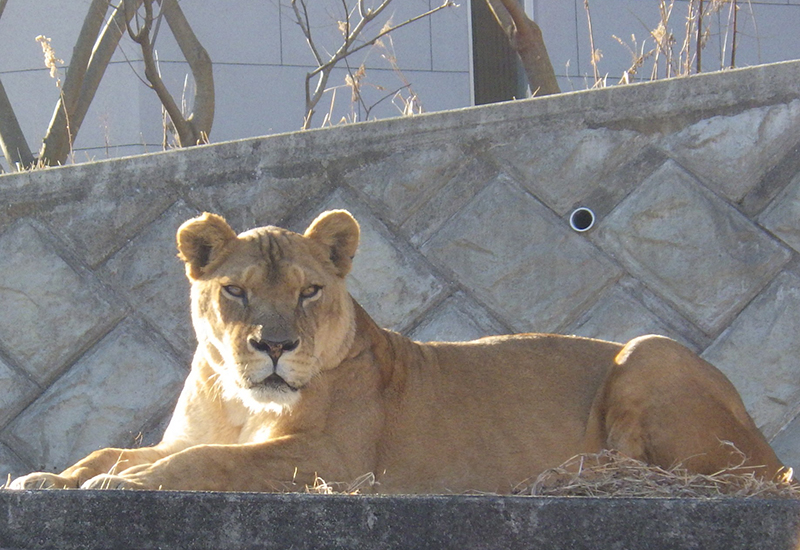
- Three lions died at Tama Zoo in Japan during a heat wave that reached over 40C (104F).
- Investigations into the Tama Zoo lion deaths are ongoing.
- The phys.org analysis says the Tama Zoo incident raises the question of whether we understand how animals will, or will not, cope with heat in a rapidly changing climate.
- Lions, like many mammals, do not sweat as effectively as humans; instead they seek shade, move less and pant to dissipate heat.
- High humidity can make lions' cooling strategies less effective.
Why it matters
Three lions died at Tama Zoo in Japan during a heat wave that reached over 40C (104F), and investigations are ongoing [1][2]. An analysis published by phys.org uses the incident to ask a question that has cost implications for every collection in a warming region: do we actually understand how animals in human care will, or will not, cope with heat [3].
Start with the counterintuitive physiology. Lions do not sweat as effectively as humans; they cope by seeking shade, moving less and panting [4]. High humidity makes those strategies less effective [5]. Humans, able to sweat over most of the body, are often more heat-tolerant than lions, and can stay active in conditions that force a lion to rest [6]. The assumption that an African predator is heat-proof oversimplifies how animals experience heat [7].
The second variable is not weather at all. Wild lions can move across large landscapes, pick favourable microclimates, rest in shade and shift activity to cooler periods, none of which may be feasible in a zoo [8]. The welfare principle the piece draws out is that conditions matter less than the degree of choice and control an animal has within them [9]. Choice and control are enclosure design and husbandry protocol, which means they are procurement decisions.
The exposure list is wider than the obvious cool-adapted species. Polar bears, penguins and red pandas are the expected cases [10], but great apes, tapirs, cheetahs and elephants can also suffer dangerous thermal stress when high temperatures combine with humidity [11]. For elephants, large body size heightens the risk when access to shade, water or other cooling opportunities is limited [12]. Because the hazard is heat, humidity and available cooling options acting together, an air-temperature threshold on its own is an incomplete trigger for any heat protocol [20].
The capital problem is a shifted baseline. Many zoos in temperate regions such as the UK were designed around cold weather and rain, with extreme heat treated as a relatively minor concern, an assumption the article says may no longer hold [13]. Temperature control that was adequate 10 or 20 years ago may not be sufficient now [14]. Zoos already run environmental engineering, including heated indoor shelter for tropical species, but climate change is moving the baseline those systems were specified against [15]. The remedies named are ordinary construction and plant: more shaded area, climate-controlled refuges, better ventilation, misting [16].
The cheaper half is protocol, and it is already half-built. Two animals of the same species in the same enclosure can respond very differently to identical conditions; older animals have less physiological resilience, and animals with respiratory or other underlying conditions may be particularly vulnerable [17]. Zoos routinely hold individual records on behaviour, personality, social relationships, health history and life experience that can support monitoring for change [18]. Turning those records into a ranked per-animal heat risk list is a data exercise, not a construction project.
The framing shift that matters most for money is reclassification: extreme heat treated like severe storms, flooding or disease outbreaks, as a foreseeable animal welfare risk [19]. Foreseeable risks acquire written plans, drills, thresholds and a line in the capital budget.
Watch the Tama Zoo investigation findings, since they are the only forthcoming detail on mechanism [2]. Watch whether accreditation bodies move from temperature limits to combined heat and humidity thresholds, and whether operators start disclosing shade area, refuge capacity and ventilation upgrades the way they disclose enclosure size.
Clarity's read
What the record supports and how the coverage leans. The claims behind it follow.
Reality
- Evidence34
- Adoption
- Insufficient
- Hype gap+14
- Incentives
- Insufficient
- Confidence38
Claim ledger
Ranked by verification strength, evidence, and original report placement.
- [1]
Three lions died at Tama Zoo in Japan during a heat wave that reached over 40C (104F).
- [3]
The phys.org analysis says the Tama Zoo incident raises the question of whether we understand how animals will, or will not, cope with heat in a rapidly changing climate.
ReportedSupportedSource: phys.org analysis, 'Are zoos ready for the changing climate?'View cited source - [4]
Lions, like many mammals, do not sweat as effectively as humans; instead they seek shade, move less and pant to dissipate heat.
- [5]
High humidity can make lions' cooling strategies less effective.
- [6]
Humans are often more heat-tolerant than lions because sweating over most of the body makes evaporative cooling effective, allowing humans to remain active in conditions that may force lions to rest and seek shade.
- [7]
The assumption that lions are heat-proof because they evolved in Africa oversimplifies how animals experience heat; temperature is only one part of the story.
- [8]
Wild lions can move across large landscapes, select favourable microclimates, rest in shaded areas and adjust activity patterns, none of which may be feasible in a zoo.
- [9]
An important principle in animal welfare science is that welfare is influenced not simply by the environment animals are exposed to but by the degree of choice and control they have within it.
- [10]
Polar bears, penguins and red pandas are vulnerable to heat because they are adapted to cooler climates.
- [11]
Great apes, tapirs, cheetahs and elephants can struggle with dangerous levels of thermal stress when high temperatures are combined with humidity, which reduces the body's ability to dissipate heat.
- [12]
For elephants, large body size heightens the risk when access to shade, water or other cooling opportunities is limited.
- [13]
Many zoos, particularly in temperate regions such as the UK, were designed with cold weather and rain in mind, and extreme heat has often been viewed as a relatively minor concern; the article says that assumption may no longer hold.
- [14]
Temperature control measures that were adequate 10 or 20 years ago may not be sufficient for today's conditions or those of the future.
- [15]
Zoos have long managed environmental conditions for species with specialised needs, such as heated indoor shelter for tropical animals, but climate change is shifting the environmental baseline upon which many of these systems were designed.
- [16]
Suggested responses include expanding shaded areas, creating climate-controlled refuges, improving ventilation and installing misting.
- [17]
Two animals of the same species living in the same enclosure may respond very differently to identical conditions; older animals may have less physiological resilience, and animals with respiratory conditions or other underlying health issues may be particularly vulnerable.
- [18]
Zoos routinely maintain detailed individual records on behaviour, personality, social relationships, health history and life experience that can help them monitor changes.
- [19]
The article argues extreme heat should increasingly be treated the same way as severe storms, flooding or disease outbreaks: as a foreseeable animal welfare risk.
- [20]
Because the described hazard combines high temperature, humidity and the availability of cooling options, an air-temperature threshold alone is an incomplete trigger for a heat management protocol.
Sources
1 independent publisher whose own reporting we read for this story.
- phys.orgAre zoos ready for the changing climate?
1 article · August 17, 2026
Topics and entities
Follow any of these and your For You feed starts watching them — no settings page required.