InvestIndependently confirmed2 publishers2 min readPublished
Washington gives American firms six months to cut off the International Criminal Court
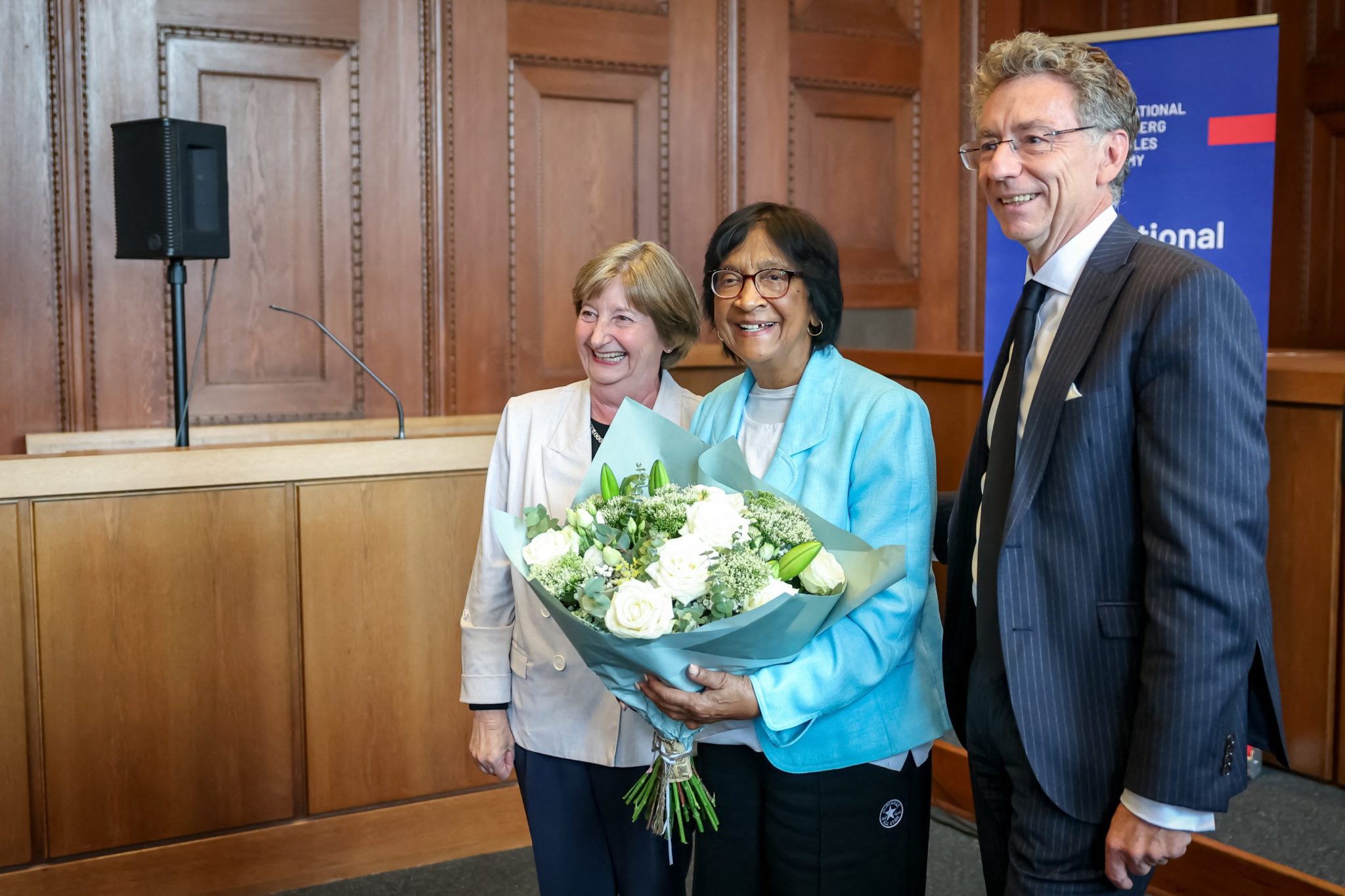
Marco Rubio announced US sanctions on the International Criminal Court itself on Friday, hours after ex-ICC judge Navi Pillay won the Nobel. US companies and individuals doing business with the court have six months to wind it down, Fortune reported, so the court now has a deadline for replacing its American banks and software.
The Investor · Invest desk
What happened
- The measures cut the court off from US-based financial services and technology companies, and from using US dollars at all, Fortune reported.
- Earlier US sanctions targeted individual ICC prosecutors and judges, while this round can punish companies that provide services to the court itself, SCMP reported.
- Rubio said US allies should join the measures, warning that otherwise Washington would dismantle the court "piece by piece."
- Canada, Denmark, Germany, France, Italy, Japan, the Netherlands and the United Kingdom said jointly that they strongly disagree with the sanctions and will keep supporting the court.
- ICC deputy prosecutor Nazhat Shameem Khan condemned the sanctions and said they would not halt the tribunal's work.
Compiled by The InvestorSomething wrong?How this is made
Why it matters
- constraint Because the ban covers the dollar itself, moving the court's banking and software to European providers does not give it back the ability to pay or be paid in dollars.
- exposure If the EU activates its blocking statute, a firm bound by both US and EU law could face a US order to drop the court and an EU ban on obeying that order.
- precedent Now that Washington has moved from sanctioning the court's officials to targeting the companies that serve it, later rounds can add pressure without naming any new individual.
The six-month window probably matters less than it looks. I'd expect most American banks and technology vendors serving the court to leave well before the deadline Fortune reported [8], because one client in The Hague is a small thing to weigh against an open sanctions question in Washington. The counter-case is that six months is what the order allows, and a supplier running off a contract has little reason to give up its fees early. This view is wrong if American firms are still serving the court five months from now.
The allies are reading the same window differently. The eight governments behind the joint statement [15] wrote: "If put into effect, these sanctions will have a significant impact on the court's work, its dedicated staff and their families" [11]. That conditional treats the six months as time before anything bites. Rubio did not hedge. "We will ban transactions with this rogue court, cutting off their resources and crippling its ability to operate against us," he said [4].
The country holding the most direct counter is keeping it in reserve. The Netherlands, the court's host, has been preparing for weeks for the move [12]. Foreign Minister Tom Berendsen has called the EU blocking statute the "nuclear option", and so far the Dutch have only held talks with the European Commission to make sure it can be enacted quickly if necessary [13].
The court is also losing members. Venezuela and Chad withdrew this year, and Naoero has announced it will quit [14]. ICC President Tomoko Akane appealed to the remaining members for support and said the court would "continue to fully discharge its mandate" [6].
Neither report says how much of the court's spending moves in dollars, or which American companies supply it. If most of its money runs in euros through European banks, the dollar clause costs it little, and the six months go on replacing US software and banking contracts.
What to watch
- Whether the European Commission activates the blocking statute the Netherlands has been preparing, and whether it does so before US firms finish leaving.
- Whether any of the eight governments that signed the joint statement moves toward Rubio's demand that allies join the sanctions.
- Whether the court announces new banking or technology providers to replace American ones inside the six-month window.
Clarity's read
What the record supports and how the coverage leans. The claims behind it follow.
Reality
- Evidence62
- Adoption
- Insufficient
- Hype gap+10
- Incentives65
- Confidence60
Claim ledger
Ranked by verification strength, evidence, and original report placement.
- [1]
Secretary of State Marco Rubio announced sweeping new sanctions on the International Criminal Court on Friday, after the Nobel Peace Prize was awarded to Navi Pillay, a former ICC judge.
- [2]
The US imposed sanctions on the ICC hours after a former judge of the court won the Nobel Peace Prize.
ReportedSupportedSource: SCMP (Reuters)2 sources— create a free account to open themView cited source - [3]
The sanctions cut the court off from US-based financial services, technology companies and even using US dollars.
- [4]
"We will ban transactions with this rogue court, cutting off their resources and crippling its ability to operate against us," Rubio said in a video address.
ReportedSupportedSource: Marco Rubio, via Fortune (AP)2 sources— create a free account to open themView cited source - [5]
Rubio said US allies should join the US actions: "If they do not, the United States will continue its campaign to dismantle the ICC, piece by piece, until Americans are threatened no longer."
ReportedSupportedSource: Marco Rubio, via Fortune (AP)2 sources— create a free account to open themView cited source - [6]
ICC President Tomoko Akane said the court would "continue to fully discharge its mandate, with independence and impartiality, acting only on the basis of the law and the evidence, for the sake of the countless victims of grave crimes," and appealed to other ICC members for support.
ReportedSupportedSource: Tomoko Akane, via Fortune (AP)2 sources— create a free account to open themView cited source - [7]
ICC deputy prosecutor Nazhat Shameem Khan condemned the sanctions and said they would not halt the tribunal's work.
ReportedSupportedSource: SCMP (Reuters)2 sources— create a free account to open themView cited source - [8]
The sanctions set a six-month timeline for US companies and individuals that have business with the court to wind that business down.
- [9]
The Trump administration previously imposed sanctions on ICC prosecutors and judges; Friday's move would go far further, by potentially punishing companies that provide services to the court itself.
- [10]
In a joint statement, Canada, Denmark, Germany, France, Italy, Japan, the Netherlands and the United Kingdom expressed strong disagreement with the US sanctions and said they would continue to work together to support the court's work.
- [11]
"If put into effect, these sanctions will have a significant impact on the court's work, its dedicated staff and their families."
- [12]
The Netherlands, the court's host country, has been preparing for weeks for the move; the EU blocking statute could be used to protect European court staff by preventing European companies from complying with the US measures.
- [13]
Dutch Foreign Minister Tom Berendsen has called the blocking statute the "nuclear option" and said the Netherlands has been in talks with the European Commission to ensure it can be quickly enacted if necessary.
- [14]
Venezuela and Chad have withdrawn from the court this year, and Naoero was the most recent to announce it would quit.
- [15]
Eight governments signed the joint statement opposing the sanctions.
Sources
2 independent publishers whose own reporting we read for this story.
- fortune.com‘Piece by piece’: Trump administration vows to dismantle the International Criminal Court with sweeping new sanctions
1 article · October 9, 2026
- scmp.comUS slaps sanctions on ICC, hours after ex-judge wins Nobel
1 article · October 9, 2026
Topics and entities
Follow any of these and your For You feed starts watching them — no settings page required.
Topics
- Sanctions ComplianceFollow
- International sanctionsFollow
- International Criminal JusticeFollow
Entities
- Amnesty InternationalFollow
- Tomoko AkaneFollow
- International Criminal CourtFollow
- EU blocking statuteFollow
- Tom BerendsenFollow
- Nazhat Shameem KhanFollow
- Marco RubioFollow
- Nobel Peace PrizeFollow
- Navi PillayFollow