Science1 publisherNot yet confirmed elsewhere3 min readPublished
Vesicles built from expired blood: Ohio State moves EV loading into a microfluidic chip
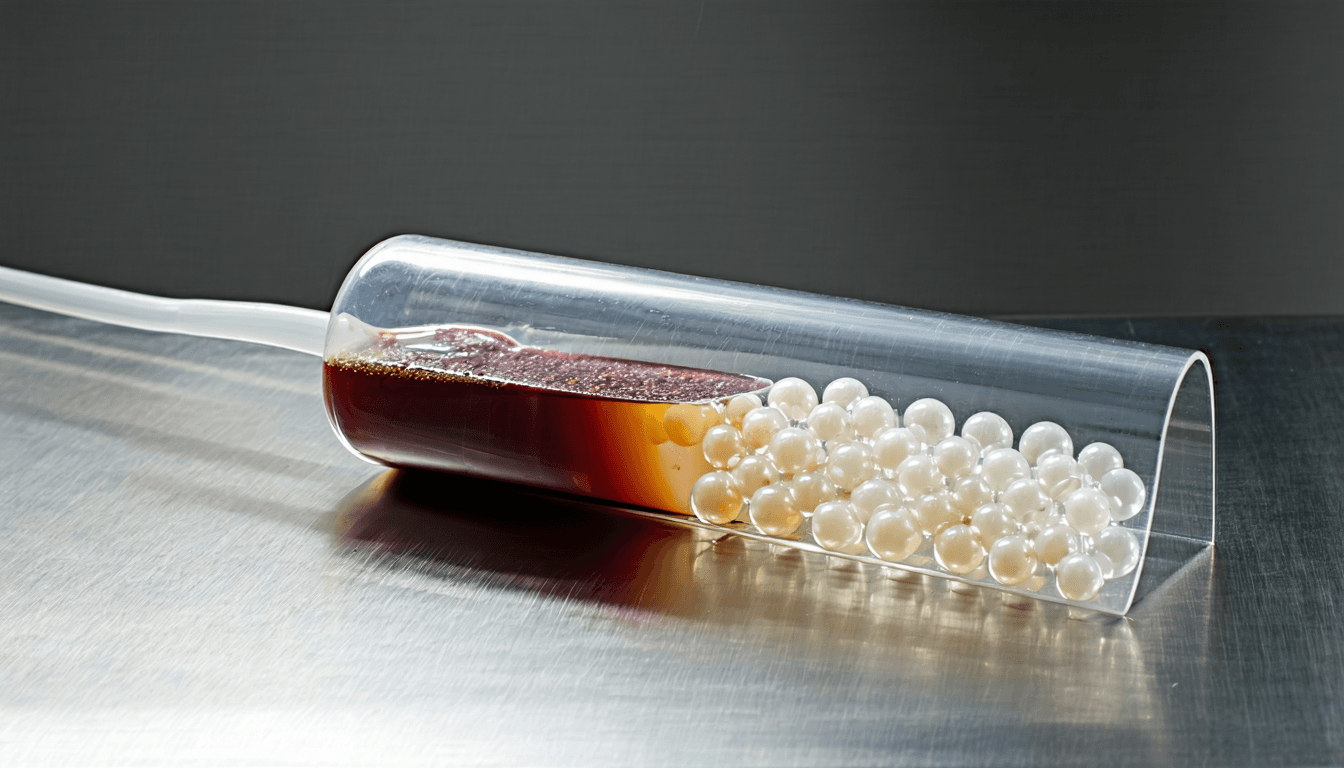
Ohio State researchers assembled extracellular vesicles from red blood cell lipids, loading cargo as the particles form. The interesting part is the process, not the biology.
The Scientist · Science desk
What happened
- Scientists at The Ohio State University showed that engineered extracellular vesicles, assembled from red blood cell lipids using microfluidics, could evade immune cells and target cancer cells; the study is published in Advanced Healthcare Materials.
- The researchers started with the idea of making delivery devices out of natural extracellular vesicles generated by red blood cells, but encountered limitations in scaling up production and in cargo-loading flexibility, so they turned to engineering techniques.
- Senior author Eduardo Reategui, professor of chemical and biomolecular engineering at Ohio State, said the engineered vesicles' lipid composition basically matches very closely that of natural red blood cell extracellular vesicles, keeping biological advantages because the particles are very biocompatible.
- Reategui said: "We're not saying our process is better. We're claiming that we have a lot more controllability in terms of what we want the composition of this engineered vesicle to look like."
- Microfluidics enables therapeutic cargo to be incorporated as the vesicles form, eliminating the need for separate cargo-loading steps afterward.
Compiled by The ScientistSomething wrong?How this is made
Why it matters
Researchers at The Ohio State University reported in Advanced Healthcare Materials that extracellular vesicles assembled from red blood cell lipids by microfluidics could evade immune cells and target cancer cells [2]. The reason to pay attention is not the targeting, which is a familiar trick, but the fact that the team stopped harvesting vesicles and started building them.
The group's own account of how it got there is the useful part. They began with the idea of using natural extracellular vesicles produced by red blood cells, ran into limits on scaling up production and on cargo-loading flexibility, and moved to engineering methods instead [3]. That is the standard failure mode of the whole EV field: the biology is attractive, the yield and the loading are not. Assembling the particles from purified lipids inverts the problem. Senior author Eduardo Reategui, a professor of chemical and biomolecular engineering, said the lipid composition of the engineered vesicles closely matches that of natural red blood cell vesicles, retaining their biocompatibility [4]. He also declined the usual claim of superiority, saying only that the process offers more controllability over the vesicle's composition [5].
Controllability shows up most concretely in loading. Because the microfluidic process incorporates therapeutic cargo as the vesicles form, there is no separate post-hoc loading step [6], and the cargo range reported spans genetic material, proteins and whole viruses used in gene therapy [7]. That includes an adeno-associated virus, the established vector for many gene therapies; the team encapsulated a therapeutic AAV inside an engineered vesicle and reported that the gene therapy still worked and was delivered into cells [1]. Reategui said wrapping an AAV in a vesicle tagged with a CD47 peptide could reduce the chance of triggering an immune response [15], which is the live commercial problem with AAV, not a theoretical one.
The surface engineering is conventional and works as advertised in the paper. Attaching a CD47 peptide to the outer surface protected the carriers from being taken up by macrophages [8]. Adding PD-L1-recognition molecules, including anti-PD-L1 nanobodies from co-author Blaise Kimmel's lab, produced preferential uptake in PD-L1-positive breast cancer tumors [9]. In mice, the engineered vesicles stayed in circulation and distributed across multiple organs in patterns similar to natural extracellular vesicles, with notable accumulation in the lungs [10]. Lung accumulation is the usual fate of injected nanoparticles, so this reads as a biodistribution result to be managed rather than solved.
The supply chain is the quietly sensible piece. The lipids come from expired red blood cells sourced from the lab of co-author Andre Palmer, which routinely purifies hemoglobin from them for red blood cell substitutes; Palmer notes the units cannot be transfused into patients and would otherwise be discarded [11]. A feedstock that is already waste, already collected and already handled under blood-bank rules is a better starting point than a bioreactor of donor cells.
Two things to watch. First, the comparison the researchers themselves invoked: they said these engineered vesicles could function similarly to CAR T-cell therapies made from a patient's own T cells [13], and Palmer framed an autologous version using a patient's own red blood cell lipids [14]. Second, the numbers. The announcement reports no vesicle yield per unit of blood, no encapsulation efficiency, no dose, and no survival or tumor-response data [12]. Until those appear, the manufacturing claim is a design argument rather than a demonstrated cost curve.
Clarity's read
What the record supports and how the coverage leans. The claims behind it follow.
Reality
- Evidence52
- Adoption8
- Hype gap+32
- Incentives62
- Confidence45
Claim ledger
Ranked by verification strength, evidence, and original report placement.
- [1]
The microfluidics method enables inclusion of comparatively large molecules such as whole proteins or an adeno-associated virus (AAV), the established delivery system for many gene therapies; the team encapsulated AAV particles inside engineered red blood cell extracellular vesicles, tested whether the gene therapy would still work and be delivered into cells, and showed that it would.
- [2]
Scientists at The Ohio State University showed that engineered extracellular vesicles, assembled from red blood cell lipids using microfluidics, could evade immune cells and target cancer cells; the study is published in Advanced Healthcare Materials.
- [3]
The researchers started with the idea of making delivery devices out of natural extracellular vesicles generated by red blood cells, but encountered limitations in scaling up production and in cargo-loading flexibility, so they turned to engineering techniques.
- [4]
Senior author Eduardo Reategui, professor of chemical and biomolecular engineering at Ohio State, said the engineered vesicles' lipid composition basically matches very closely that of natural red blood cell extracellular vesicles, keeping biological advantages because the particles are very biocompatible.
- [5]
Reategui said: "We're not saying our process is better. We're claiming that we have a lot more controllability in terms of what we want the composition of this engineered vesicle to look like."
- [6]
Microfluidics enables therapeutic cargo to be incorporated as the vesicles form, eliminating the need for separate cargo-loading steps afterward.
- [7]
By assembling the vesicles from red blood cell lipids using microfluidics, researchers were able to package cargo ranging from genetic material and proteins to whole viruses used in gene therapy.
- [8]
Experiments showed that attaching a CD47 peptide to the carriers' outer surfaces protected them from being mistaken for pathogens and eaten by macrophages.
- [9]
The team showed vesicles could be engineered for tumor targeting by adding PD-L1-recognition molecules, including anti-PD-L1 nanobodies developed in the lab of co-author Blaise Kimmel, and demonstrated preferential uptake of anti-PD-L1-tagged vesicles in PD-L1-positive breast cancer tumors.
- [10]
In mice, the engineered vesicles remained in circulation and were distributed to multiple organs in patterns similar to those of naturally occurring extracellular vesicles, with notable accumulation in the lungs.
- [11]
The source cells for the lipids are expired red blood cells obtained from the lab of co-author Andre Palmer, professor of chemical and biomolecular engineering and an Ohio Eminent Scholar at Ohio State, which purifies hemoglobin from expired red blood cells as a building block for red blood cell substitutes; Palmer said the approach is sustainable because those expired cells cannot be transfused into patients and would otherwise be thrown out.
- [12]
The source material contains no figures for vesicle yield per unit of blood, encapsulation efficiency, administered dose, or animal survival or tumor-response outcomes.
- [13]
Researchers said these engineered extracellular vesicles could function similarly to cancer CAR T-cell therapies that are made from a patient's own immune system T cells.
ReportedInsufficientSource: Ohio State researchers2 sources— create a free account to open themView cited source - [14]
Palmer said it could be a unique way of using a person's own red blood cell lipids to encapsulate therapeutic materials delivered back to that patient to potentially cure a disease.
ReportedInsufficientSource: Andre Palmer, Ohio State2 sources— create a free account to open themView cited source - [15]
Reategui said encasing a therapeutic AAV inside an engineered red blood cell extracellular vesicle tagged with the CD47 peptide could reduce the chances of triggering an immune response.
Sources
1 independent publisher whose own reporting we read for this story.
- phys.orgRed blood cells inspire next-generation therapeutic nanocarriers
1 article · August 17, 2026
Topics and entities
Follow any of these and your For You feed starts watching them — no settings page required.