Product2 publishers3 min readPublished
Google prices the Fitbit Air in India about 47% above its $99 US tag
Google is selling the Fitbit Air in India for Rs 13,999, about $146 and roughly 47% more than the $99 it charges in the US. A band pitched elsewhere as the affordable screen-less option arrives as a premium buy where Indian startups compete on cost.
The Product Desk · Product desk
What happened
- Sales start October 2 at the Google Store and at retailers including Flipkart, Croma, Reliance Digital and Vijay Sales.
- The screen-less band, unveiled in May, tracks heart rate around the clock and adds A-fib alerts, blood oxygen, heart rate variability and sleep stages.
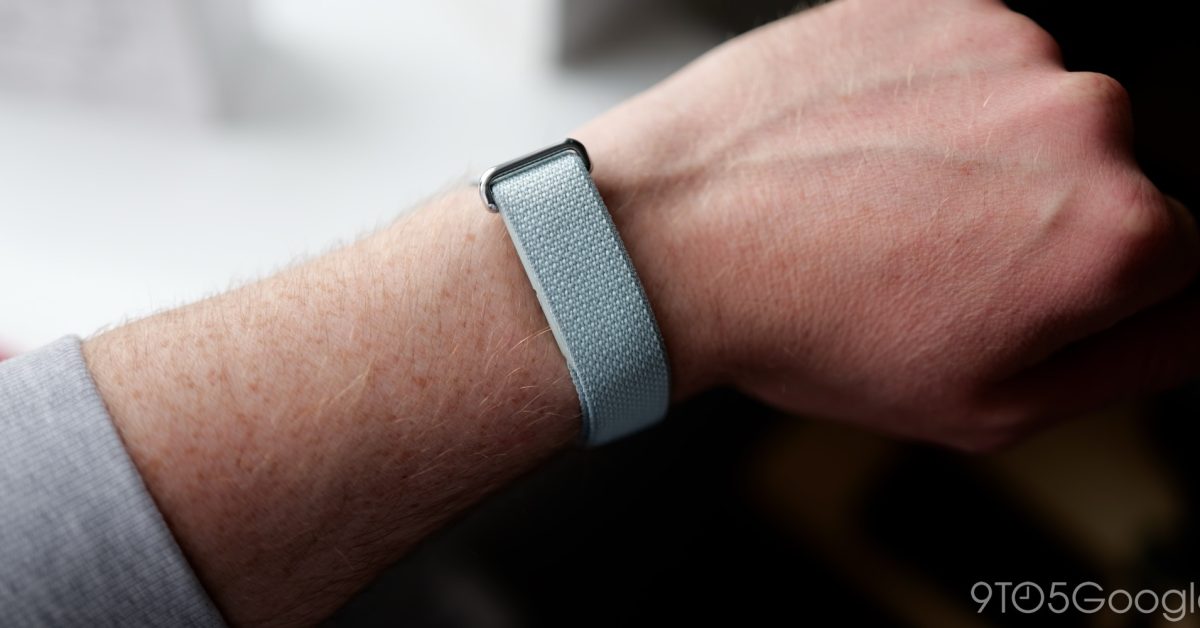
- India gets four colorways, Obsidian, Berry, Lavender and Fog, though 9to5Google says the Stephen Curry edition does not look set to be sold there.
Compiled by The Product DeskSomething wrong?How this is made
Why it matters
- contradiction TechCrunch treats the price as premium positioning, but 9to5Google ties it to Google's Pixel Watch 5 conversion, so the markup may be a watch-pricing rule applied to a cheaper product.
- cost Buyers who want Health Coach after the three-month trial face a second price decision, on top of a sticker already about $47 above the US one.
- decision A brand that needs Indian volume faces the opposite call from Google's: price to the local shelf and break its own conversion rule to do it.
Someone choosing a screen-less band in India this month has local options. TechCrunch says Indian startups Noise and Urban sell them and have been trying to undercut Western rivals on price [5]. The Fitbit Air joins that shelf at Rs 13,999, making its case with the Fitbit name and an A-fib alert [1][3].
The size of the premium depends on the exchange rate. TechCrunch converts the rupee price to roughly $146 [1]; 9to5Google gets around $145 [10]. Against the $99 US tag [2], the Indian price is 46% to 47% higher [1][2], or about $47 a unit at TechCrunch's rate [3]. Neither report says how much of the gap is tax, duty or margin, or what Noise and Urban charge.
The two outlets explain the gap differently. TechCrunch wrote that Google is "ostensibly positioning it as a premium device" [1]. 9to5Google called the price "roughly in line with the conversion on Pixel Watch 5 pricing in the region too" [10]. If 9to5Google is right, the premium comes from a house pricing rule. Google would have applied its Pixel Watch 5 conversion to a band TechCrunch describes as more pocket-friendly than Whoop's bands and Oura's rings [4].
The pitch is a distraction-free tracker backed by Google's health software. Google said each unit includes a three-month trial of Google Health Premium, "giving you full access to Google Health Coach right out of the box" [11]. Owners, going by 9to5Google's follow-up coverage, treat the tracker itself as the product. One piece tells readers to skip Google's Active bands for cheap alternatives; another shows people sticking the Fitbit Air directly to their bodies [12].
Google can afford its rule in India. Counterpoint Research puts the country at 5% of the screen-less wearable market [7], and IDC says screen-less trackers are carving out a niche even as wristband shipments decline [6]. TechCrunch concluded that "a wearable priced like a premium device might not make a dent in overall numbers, despite having a big name like Fitbit or Google behind it" [8].
The test I'd apply to any regional price puts two numbers side by side: what the house conversion rule produces, and what the cheapest acceptable local substitute costs. Two facts about the product then sort the decision. One is whether it sells on price. The other is whether the region matters to your volume. A product that sells on brand or features can usually carry the house rate. A product that sells on price, in a region you need, should be priced against the local shelf; I'd make that call and accept a price list that no longer follows one rule. The Fitbit Air sits in the remaining cell: sold on price elsewhere [4], launched in a market that is small for its category [7]. Keeping the rule there costs Google little in global volume. It gives up the price-led Indian buyer that Noise and Urban have been chasing [5].
What to watch
- Whether Noise or Urban reprice their screen-less bands once the Fitbit Air reaches Flipkart and Croma shelves.
- The rupee price Google sets for Google Health Premium when the first bundled three-month trials expire.
- Any Google price cut or retailer discount that moves the Air closer to its $99 US level.