Science1 publisherNot yet confirmed elsewhere2 min readPublished
Emotional connection, more than usability, predicted engagement with a Japanese museum's digital exhibit
Science Tokyo researchers found emotional ties to heritage best predicted willingness to engage with a museum's digital exhibit among 266 visitors. The evidence is stated intent at one museum, so story-led design still needs a test against what visitors do.
The Scientist · Science desk
What happened
- The study appeared online in the ACM Journal on Computing and Cultural Heritage on June 18, 2026.
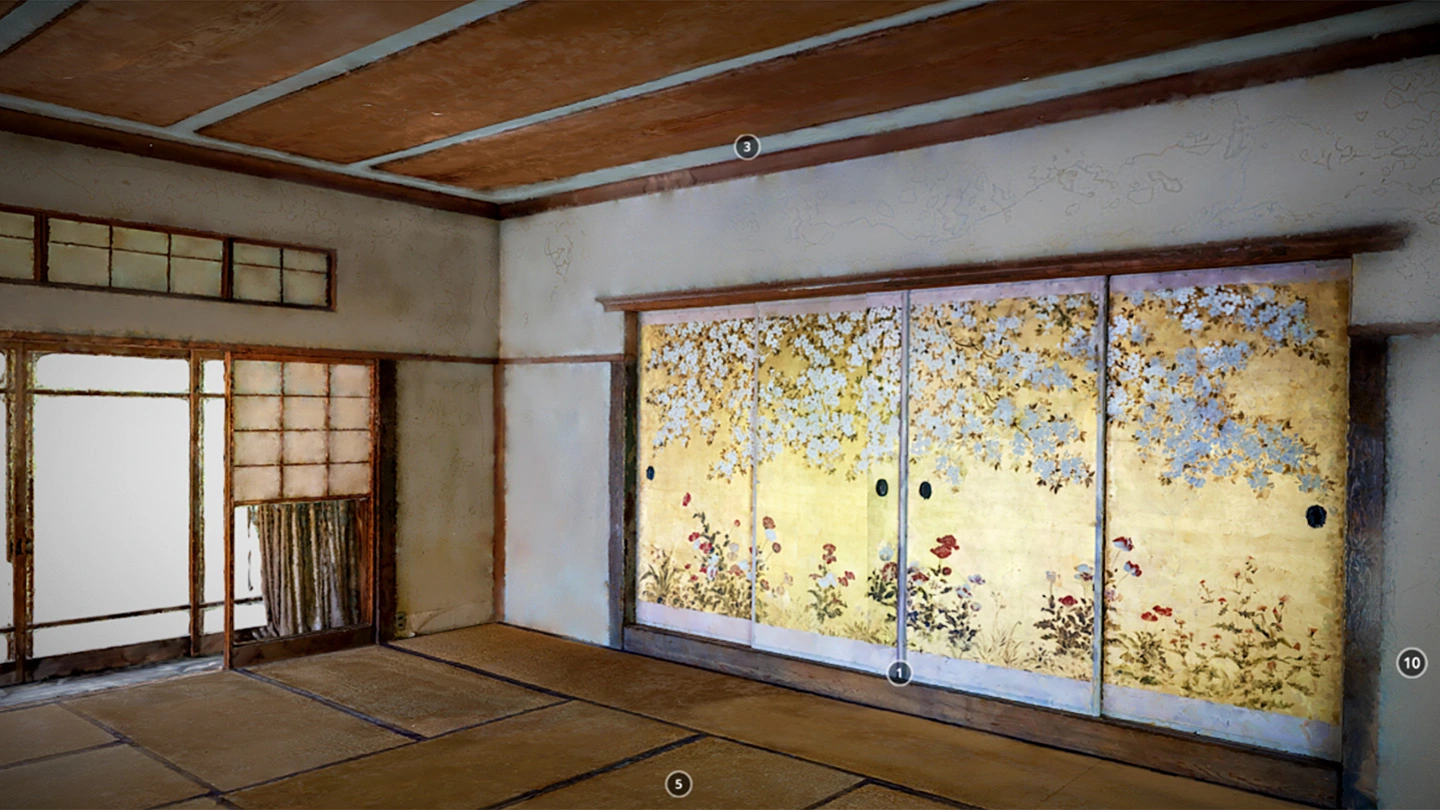
- The exhibit digitally recreated the Atelier and the Jibutsudo, a family Buddhist hall, at the Ryushi Memorial Museum using photogrammetry and iPad LiDAR.
- Alongside three kinds of authenticity, visitors scored the exhibit's usefulness, ease of use, social influence and enjoyment, the model's four technology factors.
- Visitors who felt emotionally connected to the museum were more likely to enjoy the exhibit, take part in its digital activities and share the experience with others.
Compiled by The ScientistSomething wrong?How this is made
Why it matters
- constraint Because emotional authenticity was scored as a feeling the digital exhibit produced, the survey cannot separate attachment visitors brought in from attachment the reconstruction created.
- decision Regional museums planning a digital build on a small budget now have survey support for spending on local stories and memories, support that rests on stated intent at a single site.
- capability The instrument adds authenticity scales to UTAUT2's technology factors, so another museum can rerun it and check whether the ranking holds where local ties are weaker.
Emotional authenticity was scored as something the digital exhibition did for the visitor: whether it created an emotional connection with the museum and the local community [7]. The interviews point the same way. Many visitors said the reconstruction reminded them of earlier guided tours and helped them picture life in the recreated spaces, and the authors report that this strengthened their connection to the museum [9].
The thing this doesn't tell you is where the attachment started. Of the seven factors the team scored [11], the one that ranked first was measured as an effect of the 3D exhibit itself. The ranking therefore cannot separate a bond visitors brought through the door from one the reconstruction built.
The outcome is a self-report as well. Visitors marked agreement with statements on a five-point scale, from 1 for strongly disagree to 5 for strongly agree [8], and all 266 respondents were museum visitors [1]. The phys.org account does not report path coefficients, the share of variance the model explained, or any follow-up after the visit. From that account, a reader cannot tell whether emotional authenticity led the other factors narrowly or by a wide margin.
The paper's title describes a hybrid SEM-ANN approach that integrates UTAUT2 with experiential authenticity [10]. Its authors are former doctoral student Yaotian Ai, associate professor Xinru Zhu and professor Kayoko Nohara of Science Tokyo's School of Environment and Society [4]. "These findings suggest that successful digital strategies for regional museums should prioritize emotionally resonant experiences that connect visitors with local stories, memories and community identity, rather than solely focusing on technological functionality," Ai said [13]. Ai also said the work gives museums "seeking to maximize cultural impact with limited resources" a new direction and "practical guidance that inspires visitor participation and long-term engagement" [12].
The word "solely" keeps functionality in the plan, and that modest version of the claim fits the data. Long-term engagement is a separate claim, and questionnaire scores plus interviews from one museum cannot establish it. I think the advice is sound as a design priority for a regional museum with a local community to draw on. The condition is causal: the survey links ratings that rise together. Whether building an exhibit around local stories raises engagement needs a trial comparing versions of the exhibit.
What to watch
- A rerun of the same questionnaire at a museum with weaker local community ties, to see whether emotional authenticity still ranks first.
- Behavioural measures such as return visits or shares, matched to visitors' authenticity scores at the Ryushi Memorial Museum.
- The paper's path coefficients, which would show how far emotional authenticity led the technology factors.