ScienceNot yet confirmed elsewhere1 publisher2 min readPublished
Babylonian school tablets show religion was taught inside scribal copying lessons
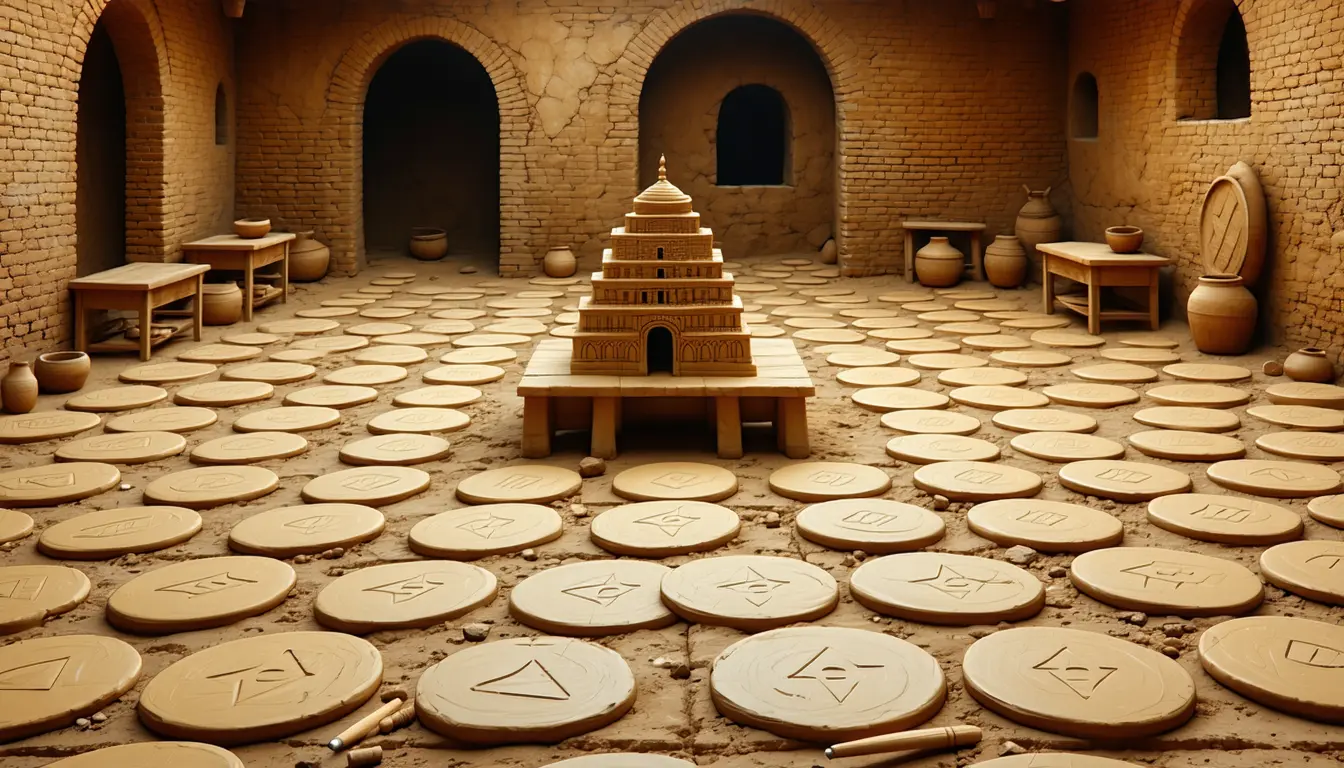
Shana Zaia's study of cuneiform school tablets finds Babylonian pupils learned hundreds of gods by copying lists and hymns as part of scribal schooling. The finding backs earlier research that Babylonia had no separate religious curriculum.
The Scientist · Science desk
What happened
- Zaia compared classroom assignments from cities including Babylon and Nippur and traced how the lessons changed as pupils advanced through school.
- Schools in northern Babylonia built the syllabus around Babylon and its patron god Marduk, while Nippur's schools left that material out and taught traditions of the god Ninurta.
- Some pupils dedicated tablets of their exercises to deities at local temples, so the same schoolwork also had a devotional use.
- Pupils who became advisers, scholars or temple specialists drew on that religious knowledge for the authority to adapt traditions as circumstances required.
Why it matters
- constraint School tablets from a single city cannot stand in for Babylonian religious education as a whole, because the north and Nippur taught around different patron gods.
- decision Historians who credit changes in cult practice to a king have to account for the trained specialists who made those changes and, in Zaia's account, had real say over them.
- capability Following school exercises into later professional practice lets researchers study how religious expertise passed between generations in a culture with no central scripture to trace.
Zaia, of Vrije Universiteit Amsterdam, published the paper in the journal Iraq, and it covers Babylonia in the 1st millennium BCE [1]. Her method starts from a practical problem. Babylonian learning had no single holy book like the Bible at its centre [6], so there is no obvious text to point to as the thing pupils studied. Zaia treated the school exercises as the syllabus. She then linked them to the work specialists carried out later in their careers [3].
There was a lot to copy. Pupils wrote out long lists of divine names [8] and learned about hundreds of gods, along with temples and rituals [9]. This material was part of the same schooling as basic literacy and technical skills [7]. Zaia wrote that "thus, there was no distinction between 'secular' and 'religious' education" [5].
That conclusion backs previous research [4], so the paper adds most in its regional comparison. I also find that the most interesting part. According to the phys.org account, some classroom assignments reflected regional traditions and local religious identity [11]. On this evidence, a school's copying list records what a city counted as its own religious heritage, down to which patron god it taught [10].
The phys.org account does not say how many tablets the study covers or how they divide between Babylon, Nippur and the other cities. That figure matters most for Nippur. An omission is only as firm as the number of Nippur exercise tablets that could have carried the Marduk material and did not [10]. The study also works only from tablets that survived [2].
The pupils were young boys from well-off families, training to become scribes, administrators or ritual specialists [16]. The thing this doesn't tell you is how anyone outside that group learned about the gods, in a society where religion was embedded in daily life and politics [15].
Zaia's link to later careers carries the argument beyond the classroom. Writing about the specialists who adapted tradition, she said: "In making changes, specialists had considerable agency, even when it was done on the king's behalf" [14].
What to watch
- Per-city tablet counts in the Iraq paper, the figure that decides how firm the Nippur omission of Marduk material is.
- Whether school tablets from other Babylonian cities show syllabi built around their own patron gods, as Nippur's did.
Clarity's read
What the record supports and how the coverage leans. The claims behind it follow.
Reality
- Evidence55
- Adoption
- Insufficient
- Hype gap+10
- Incentives
- Insufficient
- Confidence60
Claim ledger
Ranked by verification strength, evidence, and original report placement.
- [1]
Shana Zaia of Vrije Universiteit Amsterdam published 'Gods in the classroom: Religion and education in 1st millennium BCE Babylonia' in the journal Iraq in 2026.
- [2]
Zaia analyzed surviving cuneiform school tablets, comparing classroom assignments across cities such as Babylon and Nippur and tracing how lessons changed as students advanced.
- [3]
Zaia linked the classroom exercises to the real-world activities specialists carried out later in their careers.
- [4]
Zaia's overall conclusion supports previous research showing that there was no separate religious curriculum in Babylonian schooling.
- [5]
"thus, there was no distinction between 'secular' and 'religious' education."
- [6]
Babylonian education had no separate religious subject and no single holy book like the Bible to center learning on.
- [7]
Religion was woven into students' studies alongside basic literacy and technical skills.
- [8]
Students learned the names of deities, divine characteristics and sacred places by repeatedly copying vocabulary lists, hymns and stories, including long lists of divine names.
- [9]
Students learned about hundreds of gods, as well as temples and rituals.
- [10]
The syllabus used in northern Babylonia focused on Babylon and its patron god Marduk, while schools in the southern city of Nippur omitted this material entirely and concentrated on local traditions surrounding the god Ninurta.
- [11]
Some classroom assignments reflected regional traditions and local religious identity.
- [12]
Students sometimes prepared tablets containing exercises and dedicated them to deities at local temples, giving some schoolwork a dual purpose.
- [13]
When students became advisers, scholars or temple specialists, their deep religious knowledge gave them the authority to adapt traditions as circumstances required.
- [14]
"In making changes, specialists had considerable agency, even when it was done on the king's behalf."
- [15]
Religion was deeply embedded in daily life and the politics of ancient Babylonia.
- [16]
The students were young boys from well-off families who went to school to become scribes, administrators or ritual specialists.
Sources
1 independent publisher whose own reporting we read for this story.
- phys.orgClay tablets reveal how Babylonian students learned about their gods
1 article · September 30, 2026
Topics and entities
Follow any of these and your For You feed starts watching them — no settings page required.