Broadcast and cable TV still take over 60% of the estimated $11.6 billion in 2026 political spending
More than 60% of the estimated $11.6 billion in 2026 political spending will go to broadcast and cable TV, Business Insider reported. Strategist Rob Flaherty says operatives copy one another and consultants earn more as the TV share rises.
The Board Room · Leadership desk
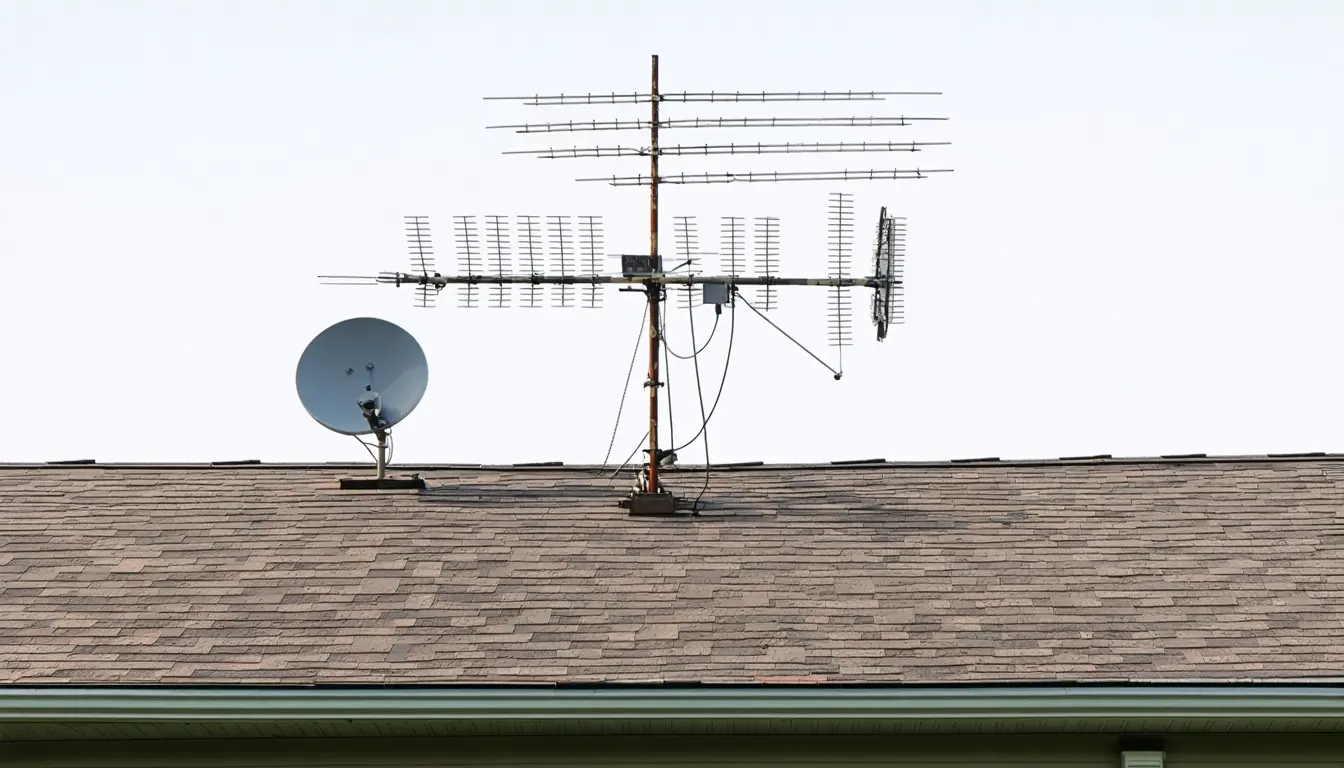
Key figures: broadcast, cable and streaming TV together take more than 80% of the estimated total. Streaming TV alone takes 20%. Everything other than TV gets less than 20%.
| Figure | Value | Note | Claim |
|---|---|---|---|
| Broadcast, cable and streaming TV, more than | 80% of total | 13 | |
| Streaming TV | 20% of total | 2 | |
| All non-TV, less than | 20% of total | 12 |
What happened
- Streaming TV takes another 20% of the estimated total, so TV in some form accounts for more than four dollars in every five.
- Flaherty put the consultant's take on a TV buy at 10% to 15%, and said it beats what digital pays.
- Flaherty said many big TV firms do not place the ads themselves and subcontract to one of three or four buying shops.
Why it matters
- cost A digital-first campaign pays a credibility cost: Flaherty bought TV for his own super PAC so that others in politics would treat it as real.
- exposure On Flaherty's account, the operative who breaks from the pack carries the blame alone in a loss, while the one who copies peers is excused.
- constraint Media-mix advice comes from consultants who earn more as the TV share rises, so any shift has to get past the people who recommend the buys.
The split leaves little room for the platforms the "influencer election" label points to. Broadcast and cable TV take more than 60% of the estimated $11.6 billion [1]. That is more than $6.96 billion [10]. Streaming TV takes another 20% [2], or about $2.32 billion [11]. Together that is more than 80% on TV in one form or another [13], and under 20%, less than $2.32 billion, remains for YouTube, Reels, TikTok and every other channel [12].
Business Insider's Peter Kafka asked Rob Flaherty why that holds. For most of his life, Flaherty has done digital political work for Democrats, among them Hillary Clinton, Joe Biden and Kamala Harris [3]. Kafka wrote that a base reason is simple: political operatives spend on TV because other operatives do [4]. Flaherty described it as a career risk. "If you do the same thing everyone else does and you lose, then you did everything right. And if you try something different and you lose, it's you who made bad decisions," he said [5].
He applied the rule to himself. His new super PAC, Tomorrow Together, spent mostly on digital, "largely because it's a super PAC and we're spending late," he said, but "I prioritized making sure we had some TV in there, because otherwise people don't think it's real" [6].
Imitation is not the only explanation he gave. The case for TV that he said he would expect to hear is about supply: "Digital political ad inventory is actually quite limited," and "Social media is not a mind-changing surface; it's a base-building surface" [7]. He did not endorse it. Asked to make the best case for half or more of a budget on TV, he began: "Well, I would not advocate for that" [8]. Kafka's question recalled that Flaherty's Harris campaign split roughly 50-50 between TV and digital, against a 70% TV share that Kafka said most campaigns still spend [9].
Pay is the more concrete explanation. Flaherty said the top consultants to a candidate are often economically tied to TV margins, "Because you get a cut of the buy" [14]. He said big TV firms often do not place the ads themselves: "They subcontract to one of three or four buying shops" [15]. His figure for the consultant's share was "10%, 15% on a TV buy" [16].
We think the account supports two causes working together, imitation and pay. The excerpt does not rank them, and the description of consultant pay comes from a single Democratic operative.
What to watch
- Final 2026 spending tallies that confirm or revise the 60% broadcast and cable share and the 20% streaming share.
- Any campaign or committee that moves its consultants off percentage-of-spend pay, which would test the commission explanation.
Clarity's read
What the record supports and how the coverage leans. The claims behind it follow.
Reality
- Evidence40
- Adoption80
- Hype gap−5
- Incentives65
- Confidence50
Claim ledger
Ranked by verification strength, evidence, and original report placement.
- [1]
More than 60% of the estimated $11.6 billion spent in the 2026 election cycle will go to broadcast and cable TV.
- [2]
Another 20% of the estimated $11.6 billion will be spent on streaming TV.
- [3]
Rob Flaherty has spent most of his life doing digital politics for Democrats, including Hillary Clinton, Joe Biden and, most recently, Kamala Harris.
- [4]
A base reason TV stays dominant is that political operatives spend money on TV because other political operatives spend money there; Flaherty admits he bought some TV time for his anti-AI super PAC so others in politics would take him seriously.
- [5]
Flaherty said: "If you do the same thing everyone else does and you lose, then you did everything right. And if you try something different and you lose, it's you who made bad decisions."
- [6]
Flaherty said his super PAC Tomorrow Together spent mostly on digital, "largely because it's a super PAC and we're spending late," but that "I prioritized making sure we had some TV in there, because otherwise people don't think it's real."
- [7]
Flaherty described the steelman case for TV: "Digital political ad inventory is actually quite limited," and "Social media is not a mind-changing surface; it's a base-building surface."
- [8]
Asked to make the best case for a campaign to spend half or more of its money on TV, Flaherty began: "Well, I would not advocate for that."
- [9]
Kafka's question said Flaherty had told him the Harris campaign spent roughly 50-50 between TV and digital, while most campaigns still spend 70% of their budget on TV.
- [10]
More than 60% of $11.6 billion is more than $6.96 billion on broadcast and cable TV.
- [11]
20% of $11.6 billion is about $2.32 billion on streaming TV.
- [12]
Less than 20% of the estimated total, under $2.32 billion, remains for everything other than broadcast, cable and streaming TV.
- [13]
Broadcast, cable and streaming TV together take more than 80% of the estimated total.
- [14]
Flaherty said the general consultants who are top consultants to the candidate are very often economically tied to the margins of TV, "Because you get a cut of the buy."
- [15]
Flaherty said: "a lot of the big TV firms don't actually do the buying. They subcontract to one of three or four buying shops."
- [16]
Flaherty said: "For the consultant, you're making 10%, 15% on a TV buy."
Get this ledger inside ChatGPT. Ask about any of our stories and the answer brings its figure, each claim’s verdict and the sources. Free, no account.
Sources
1 independent publisher whose own reporting we read for this story.
- businessinsider.comYou bailed on TV. But politicians are still spending all their money there.
1 article · October 14, 2026
Topics and entities
Follow any of these and your For You feed starts watching them — no settings page required.
Topics
- Political AdvertisingFollow
- Campaign finance and PAC spendingFollow
- Television advertisingFollow
Entities
- Rob FlahertyFollow
- Business InsiderFollow
- Tomorrow TogetherFollow
- Peter KafkaFollow