Two Democratic childcare plans carry price tags of $80 billion and $200 billion a year
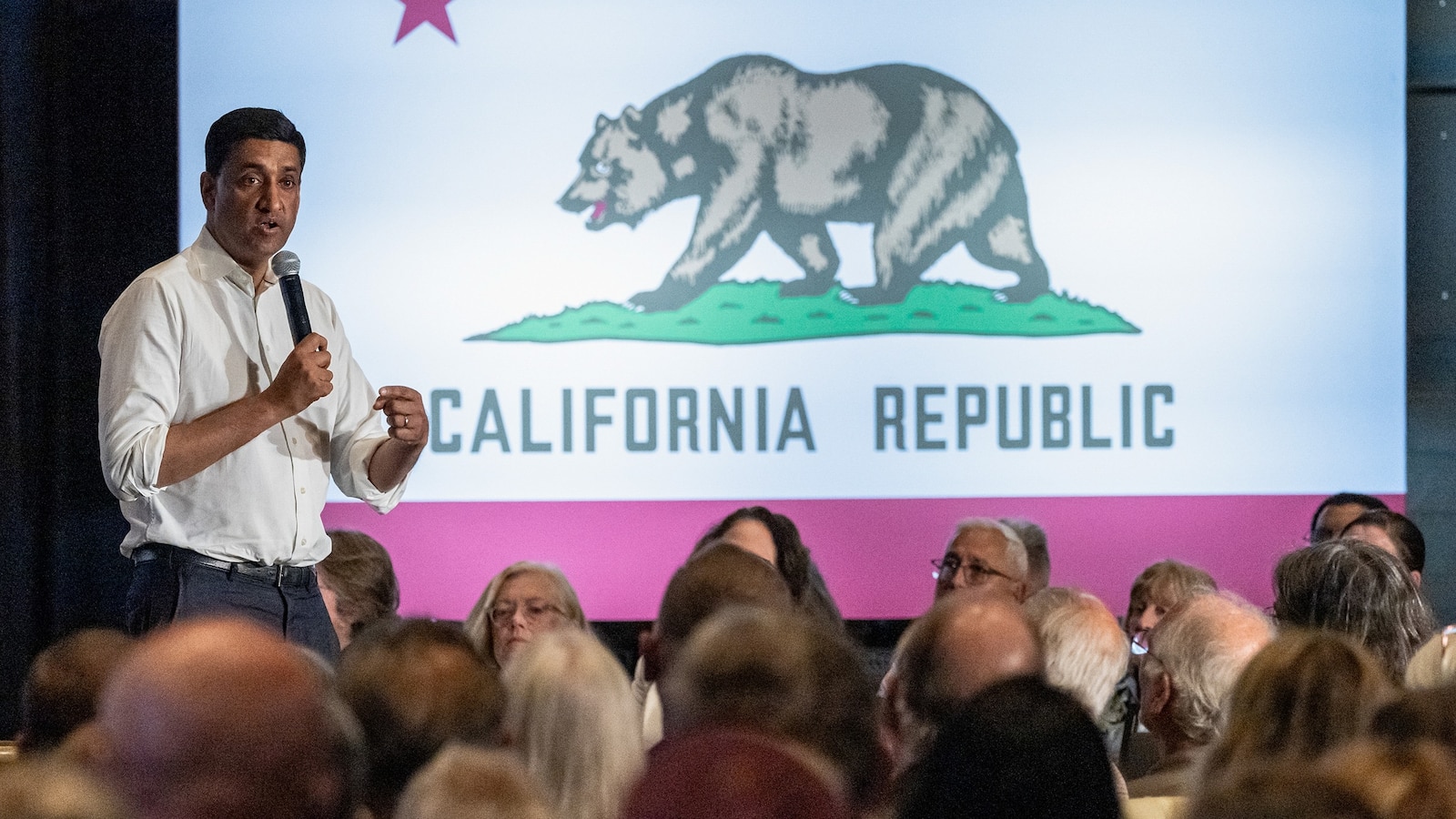
Rep. Ro Khanna's Free Child Care for America Act would cost $80 billion a year and Project 2029's similar plan about $200 billion, Vox reports. Employers have a stake in the design, since Vox says reliable care affects whom they can hire and keep.
The Board Room · Leadership desk
Three figures. Khanna's bill offers families a $1,000 monthly stipend to keep a child at home. That stipend is worth $12,000 a year. Vice President JD Vance has proposed paying married stay-at-home parents roughly $9,000 per child a year.
| Figure | Value | Note | Claim |
|---|---|---|---|
| Khanna bill's stipend to keep a child at home | $1,000 a month | 2 | |
| Khanna stipend, per year | $12,000 a year | 20 | |
| Vance, per child, roughly | $9,000 a year | 10 |
What happened
- Third Way, a centrist Democratic think tank, pitched guaranteeing every family at least three affordable childcare options within a 15-minute drive of home or work.
- Rep. Alexandria Ocasio-Cortez is leading a new House working group that will draft a federal childcare plan.
- New Mexico Gov. Michelle Lujan Grisham told Semafor that anyone seeking the presidency in 2028 "absolutely should" run on universal childcare proposals.
Why it matters
- decision Employers setting childcare benefit budgets now are weighing retention gains today against overlap with a federal design that candidates have not yet settled.
- constraint A 2.5-fold cost gap between the two plans and three meanings of 'universal' leave a benefits team with no single scenario to model.
- exposure Participation forecasts hinge on how many families take the home-care stipend instead of a daycare slot, and that take-up cannot be known before a program runs.
The first problem for a benefits planner is the gap between the two estimates. Project 2029 puts its plan at about $200 billion a year [6], which is 2.5 times Khanna's $80 billion [1][19]. Both pair free daycare with a $1,000 monthly option [2][5]. Vox does not explain the difference or describe Project 2029's eligibility rules, and Khanna's bill covers nearly every family with a child under six [1].
The stipend is where workforce planning gets harder. At $1,000 a month, staying home is worth $12,000 a year and $36,000 over the three years in Khanna's bill [20]. Vice President JD Vance would pay married stay-at-home parents roughly $9,000 per child a year from existing federal childcare funds [10], a gap of $3,000 a year per child [21]. A daycare slot supports a parent's job. A stipend to keep a child home can pay for the opposite, and a relative or neighbor paid a living wage sits between the two. We do not know yet which option families would choose.
Employers are already in the argument. The Chamber of Commerce has taken up the issue [13]. Vox lists three meanings of "universal childcare": free for all, affordable for most, or simply enough slots [9]. In our view Khanna's bill and Project 2029's plan sit under the first and Third Way's under the second. Third Way is also the one plan Vox describes as leveraging employers as partners [8].
Congress has been here before. In 1971 it passed a bipartisan childcare bill, and President Nixon vetoed it, saying it would weaken the family [14]. In the 50 years since, Washington has offered little beyond subsidies for some low-income families [15]. Vox says voters now cite affordability as a top concern [17], and polls show broad, bipartisan appetite for government action, with debate over how much families should chip in [16].
Khanna has said what he wants from the primary. "I want 2028 to be a big-ideas primary," he told ABC [4], and he openly says he is considering a run for president [3]. Project 2029 is building an agenda for the next Democratic administration [7]. The definition gets chosen in the primary, and an employer's budget gets set against whichever one wins.
In our view the defensible position this quarter is to hold current childcare benefit spending and model the federal plans as scenarios. The tradeoff is real. Spending now buys retention today and risks overlapping a program whose design is unsettled. Waiting leaves the hiring and retention pressure Vox describes in place. New Mexico is the one place the free-for-all version already runs, having become the first state to offer free childcare regardless of income last year [18].
What to watch
- Whether Khanna or Project 2029 publishes eligibility rules and take-up assumptions that explain the 2.5-fold cost gap.
- Whether Ocasio-Cortez's House working group and other 2028 hopefuls adopt the stipend option or Third Way's employer-partner design.
- Whether New Mexico's free childcare program produces hiring and retention data from employers in the state.
Clarity's read
What the record supports and how the coverage leans. The claims behind it follow.
Reality
- Evidence50
- Adoption
- Insufficient
- Hype gap+20
- Incentives55
- Confidence50
Claim ledger
Ranked by verification strength, evidence, and original report placement.
- [1]
In late September, Rep. Ro Khanna introduced the Free Child Care for America Act, an $80 billion-a-year proposal to make childcare free for nearly every family with kids under six.
- [2]
Khanna's bill lets families choose between a daycare center, having a relative, friend, or neighbor paid a living wage to care for the child, or taking a $1,000 monthly stipend to keep the child home for the first three years.
- [3]
Khanna openly says he is considering a run for president.
- [4]
Khanna told ABC: "I want 2028 to be a big-ideas primary,"
- [5]
In July, Project 2029 proposed giving families a choice between free daycare and $1,000 a month to provide care at home or pay a trusted caregiver.
- [6]
Project 2029 estimates its plan would cost about $200 billion annually.
- [7]
Project 2029 is a group of liberal policy experts developing an agenda for the next Democratic administration.
- [8]
Third Way, a centrist Democratic think tank, unveiled a universal childcare pitch guaranteeing every family at least three affordable options within a 15-minute drive of home or work by expanding home-based, infant, and after-hours care and leveraging employers as partners.
- [9]
"Universal childcare" means different things to different people: free for all, affordable for most, or simply enough slots to go around.
- [10]
Vice President JD Vance has proposed paying married stay-at-home parents roughly $9,000 per child annually using existing federal childcare funds.
- [11]
Rep. Alexandria Ocasio-Cortez is spearheading a new House working group to develop a federal childcare plan.
- [12]
New Mexico Gov. Michelle Lujan Grisham told Semafor that any politician seeking to run for president in 2028 "absolutely should" run on universal childcare proposals.
- [13]
Access to reliable care affects both people's ability to hold down jobs and businesses' ability to attract and retain workers, and organizations like the Chamber of Commerce have taken up the issue.
- [14]
In 1971 Congress passed a bipartisan childcare bill, but President Richard Nixon vetoed it, saying it would weaken the family.
- [15]
In the 50 years since the 1971 veto, Washington lawmakers have offered little on childcare beyond subsidies for some low-income families.
- [16]
Polls show broad, bipartisan appetite for government action on childcare, with debate over how much families should chip in.
- [17]
Voters cite affordability as a top concern.
- [18]
Last year New Mexico became the first state to offer free childcare to families regardless of income.
- [19]
Project 2029's estimated annual cost is 2.5 times the cost of Khanna's bill.
- [20]
A $1,000 monthly stipend is worth $12,000 a year and $36,000 over three years.
- [21]
Vance's roughly $9,000 per child a year is $3,000 less than the $12,000 annual value of the $1,000 monthly stipend.
Get this ledger inside ChatGPT. Ask about any of our stories and the answer brings its figure, each claim’s verdict and the sources. Free, no account.
Sources
1 independent publisher whose own reporting we read for this story.
- vox.comUniversal childcare is set to be a 2028 presidential test
1 article · October 14, 2026
Topics and entities
Follow any of these and your For You feed starts watching them — no settings page required.