LeadershipNot yet confirmed elsewhere1 publisher3 min readPublished
Stellantis engine-plant worker sues over a training prerequisite he says was enforced only against him
Stellantis engine-plant worker sues FCA US, saying a safety-lock rule kept him from training that a white colleague began without locks. The case will test how consistently supervisors applied that prerequisite and whether HR's internal records match what it told him.
The Board Room · Leadership desk
What happened
- The complaint, filed October 8 in the Eastern District of Michigan, alleges race and color discrimination and retaliation under Title VII, Section 1981 and Michigan's Elliott-Larsen Act.
- In a March 25 message he wrote that he had watched management give the white employee locks while he was told his own had not arrived.
- During an EEO inquiry opened around April, HR told a union witness she was not needed, while April 7 internal notes logged her first as participating and then as refusing.
Why it matters
- exposure FCA has to explain why the lock requirement barred this worker after the class when it did not stop a white colleague training before it, and that waiver is the plaintiff's comparator.
- exposure The gap between what HR told the worker and what its April 7 notes recorded lets him challenge the internal investigation as well as the original training decision.
- constraint Because the suit also disputes a 30-day unpaid suspension, a ruling for the worker would not cleanly show that denied training alone can support a Title VII or Section 1981 claim.
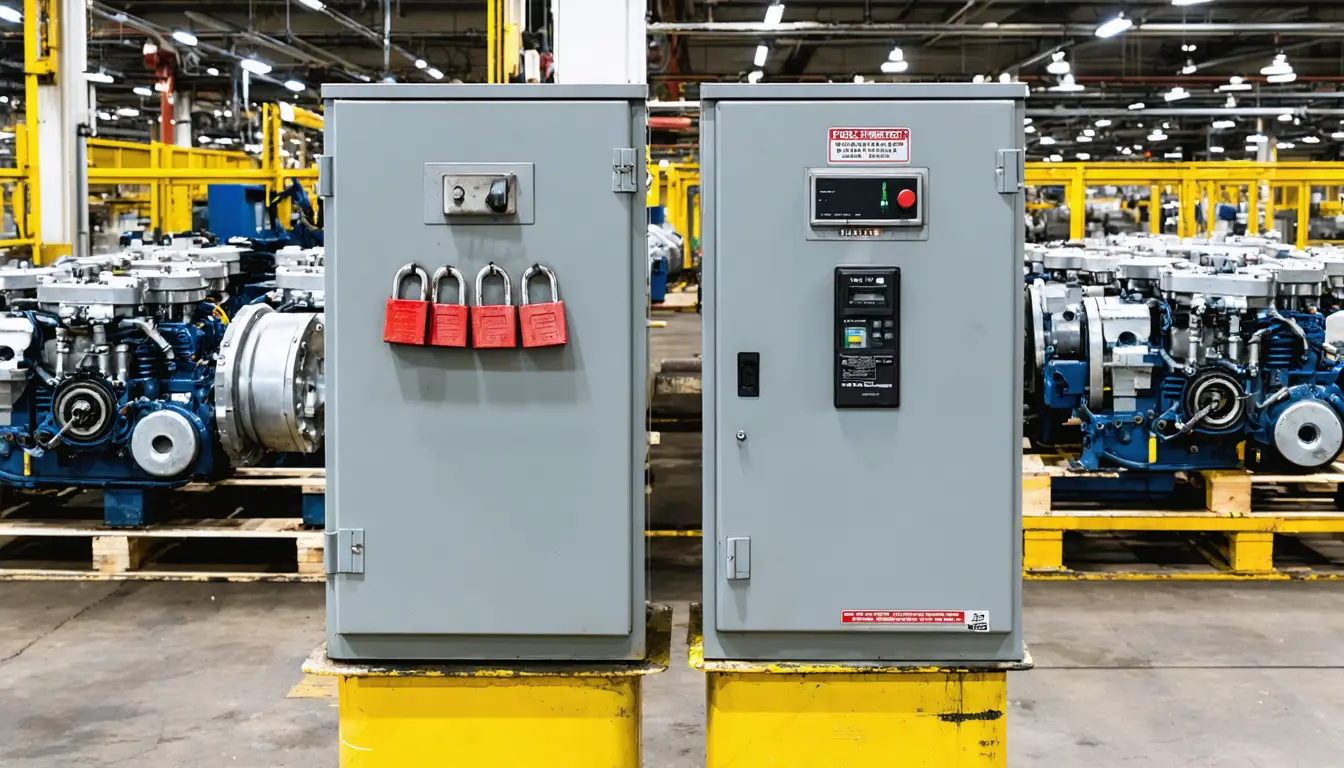
The Leak Test dispute is about the order of events. According to the complaint, a supervisor approached a white employee about moving into Tear Down and Leak Test. That employee then began training in Leak Test before attending the lockout/tagout class, a course on safely shutting down equipment [5][6]. The worker, that employee and a third colleague later took the class together. None of the three received physical locks there, the complaint alleges [5][7]. Afterward, the worker says, he was told he could not train in Leak Test without the required locks, and he alleges the prerequisite was enforced only against him [8]. He also reported, in March 2026, that a different white employee with lower seniority was working in Leak Test while he was moved out of the area [4].
The complaint pairs that training dispute with lost pay. In October 2025, FCA imposed a 30-day unpaid suspension after a supervisor accused the worker of cellphone-related misconduct and hostility [14]. He says the supervisor yelled at him. He also names a white employee accused of comparable device conduct who allegedly was not disciplined the same way [14]. A July 2026 report over an earbud proposed another 30 days. He says he was checking his pockets after a break because he believed he had nearly lost his wedding ring [15]. Between them the two reports carried 60 days of suspension, 30 imposed and 30 proposed [18]. HCAMag's report does not include a response from FCA, and it does not set out how the complaint argues that denied training is a harm on its own under Title VII or Section 1981. The worker presents the training gap and the discipline together, as what he calls a two-track system [17].
A skeptic on FCA's side would say a training slot in one production area is a scheduling call, and that the suspensions carry the weight of the case. The worker's answer is his own paper trail. His March 25 note set out the lock sequence 13 days before the April 7 internal communications about the investigation [19]. On the earbud charge, a coworker's written statement dated September 15, 2026, cited in the complaint, describes him as having a Bluetooth earbud in his hand [16].
HR controls the investigation from start to finish, and the complaint attacks it directly. FCA opened it in about April 2026, and the worker named a union representative as a material witness who was willing and available to speak [10]. As the complaint describes them, the April 7 communications said she could not represent certain employees because she was participating. Later in the same record, an FCA employee stated that she was refusing to take part [12]. The worker argues that the conflict between those records and what HR told him bears on whether the investigation was adequate and credible [13].
For a plant manager, the trade-off is between letting supervisors make exceptions and holding everyone to the same requirement. Letting a worker start in a new area before the safety class, and before locks arrive, may keep a line staffed this quarter. If the same requirement later stops someone else, a court can be asked to weigh the earlier exception against it. At Dundee, the exception in question is the white employee's start in Leak Test ahead of the class he later took with the plaintiff, and it is now pleaded in federal court [5][3].
What to watch
- FCA's answer or motion in the Eastern District of Michigan, and whether it argues that a denied training slot is not an adverse employment action.
- Whether the 30-day suspension proposed after the July 2026 earbud report was imposed, adding a second stretch of lost pay to the case.
- What the union representative named as a witness says about whether she was sent back to the floor or declined to take part.
Clarity's read
What the record supports and how the coverage leans. The claims behind it follow.
Reality
- Evidence35
- Adoption
- Insufficient
- Hype gap+10
- Incentives65
- Confidence40
Claim ledger
Ranked by verification strength, evidence, and original report placement.
- [1]
The worker, who is African American, filed a federal complaint on October 8, 2026, against FCA US LLC, the Stellantis subsidiary that operates the Dundee Engine Plant in Monroe County, Michigan.
- [2]
He alleges race and color discrimination and retaliation under Title VII of the Civil Rights Act, Section 1981, and Michigan's Elliott-Larsen Civil Rights Act.
- [3]
The complaint was filed in the US District Court for the Eastern District of Michigan.
- [4]
In March 2026 the worker sought training in Leak Test, repeatedly asked why he was being moved away while others got the opportunity, and reported that a separate white employee with lower seniority was already working in Leak Test while he was moved from the area.
- [5]
A supervisor approached a white employee about moving into Tear Down and Leak Test; that employee was moved into Leak Test and allowed to begin training there before attending a lockout/tagout safety class that the worker, the white employee and a third colleague later attended together.
- [6]
The lockout/tagout course teaches workers how to safely shut down equipment.
- [7]
None of the three received their physical locks at that training, the complaint alleges.
- [8]
After the shared class, the worker says he was told he could not train in Leak Test because he did not have the required locks; he alleges the prerequisite was only enforced against him.
- [9]
In a March 25, 2026 communication cited in the complaint, the worker stated he could not train because he did not have locks, that the white employee had been in Leak Test without locks, that he personally watched management provide that employee with locks, and that he was told his own locks still had not arrived.
- [10]
After the worker raised discrimination complaints internally, FCA launched an equal employment opportunity investigation in approximately April 2026; the worker identified a union representative as a material witness, willing and available to speak about the events.
- [11]
HR personnel told both the worker and the witness that the witness was not needed and directed her to return to the floor.
- [12]
Internal FCA communications from April 7, 2026 first described the witness as participating in the investigation and therefore unable to represent certain employees; then an FCA employee stated the witness was refusing to take part.
- [13]
The worker alleges the conflict between what HR told him and what was recorded internally is relevant to whether the investigation was adequate and credible.
- [14]
In October 2025 a supervisor accused the worker of cellphone-related misconduct and hostility and FCA imposed a 30-day unpaid suspension; the worker disputes the account, alleging the supervisor yelled at him, and identifies a white employee accused of comparable cellphone or electronic-device conduct who allegedly did not receive comparable discipline.
- [15]
In July 2026 another disciplinary report alleged the worker violated a rule related to an earbud or electronic device, proposing a 30-day suspension; he disputes wearing an earbud and says he was checking his clothing or pockets after a break because he believed he had nearly lost his wedding ring.
- [16]
A coworker's written statement from September 15, 2026, cited in the complaint, describes the worker as having a Bluetooth earbud in his hand.
- [17]
The worker describes what he calls a two-track system, tracing back to discipline he disputes and escalating into what he describes as a pattern drawn along racial lines.
- [18]
The two disputed disciplinary reports carried 60 days of suspension between them, 30 imposed (October 2025) and 30 proposed (July 2026).
- [19]
The worker's March 25, 2026 communication came 13 days before the April 7, 2026 internal FCA communications about the investigation.
Sources
1 independent publisher whose own reporting we read for this story.
- hcamag.comStellantis worker says engine plant gave white colleagues training he was denied
1 article · October 9, 2026
Topics and entities
Follow any of these and your For You feed starts watching them — no settings page required.
Topics
- Lockout/tagoutFollow
- Workplace retaliationFollow
- Employment discrimination litigationFollow
Entities
- FCA US LLCFollow
- StellantisFollow
- Dundee Engine PlantFollow
- Title VII of the Civil Rights Act of 1964Follow
- Section 1981Follow
- Elliott-Larsen Civil Rights ActFollow
- Equal Employment Opportunity CommissionFollow
- US District Court for the Eastern District of MichiganFollow