Invest2 publishers2 min readPublished
Nvidia and Sapphire add about $15 million to Reactor, a startup that runs other labs' world models
Nvidia and Sapphire Ventures joined Reactor's Series A, lifting the world-model startup's funding to $74 million from $59 million. Nvidia's stake sits in the layer that runs the models, days after AMD agreed to buy model maker World Labs for $8.2 billion in stock.
The Investor · Invest desk
Drafted by a language model from the sources cited here and checked against its claim ledger before publication. How we use AISend a correction
What happened
- Lightspeed Venture Partners led the original Series A, and Nvidia and Sapphire came into the round late.
- Reactor sells an SDK and API that let other companies run world models inside their own products.
- Reactor says the platform runs at more than 60 frames per second with latency under 40 milliseconds.
- Reactor says Hollywood studios, advertising platforms and streaming services have active projects on its platform, and it treats robotics as a major focus.
Compiled by The InvestorSomething wrong?How this is made
Why it matters
- cost AMD is paying for its model bet in shares worth about 547 times the new money in Reactor, so AMD holders take the dilution while Nvidia risks an undisclosed slice of roughly $15 million.
- exposure Taiuti tells robotics teams that running models in Reactor's cloud saves them adding or replacing hardware on each robot. Nvidia now holds equity behind that argument while selling Jetson computers built to sit on the robot.
- decision Reactor is spending the money on more computing capacity, hires and robot test hardware, so much of a chip vendor's venture check comes back as demand for compute.
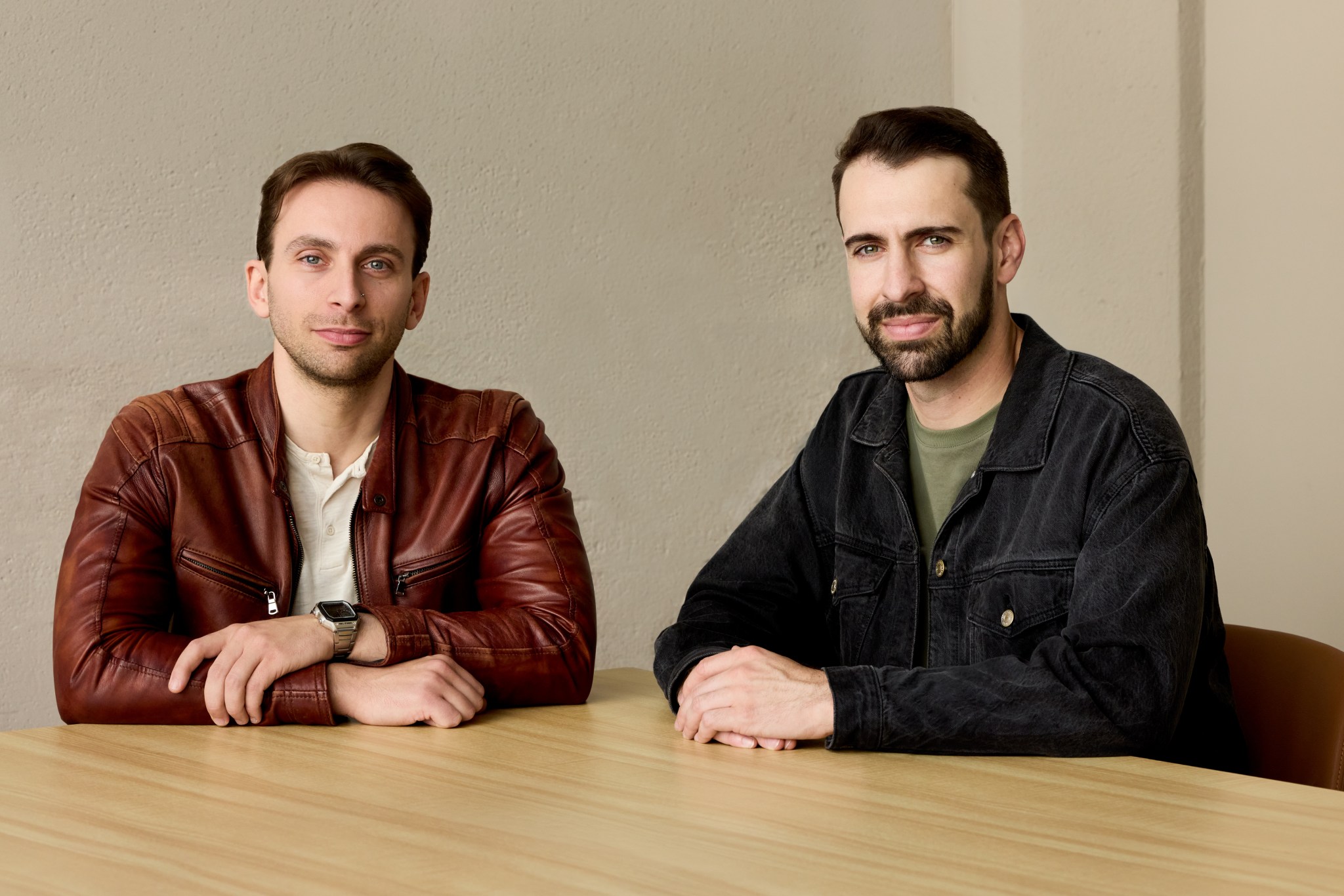
"Once the model exists, how do you actually run it?" Reactor co-founder and chief executive Alberto Taiuti told Fortune [12]. Reactor built three pieces to answer that itself: an inference engine, a global GPU cloud and a streaming layer [6]. At 60 frames a second, each frame lasts about 16.7 milliseconds. That makes the sub-40-millisecond latency Reactor claims roughly two and a half frames [20]. Reactor did not disclose a valuation or how the new money split between Nvidia and Sapphire.
Nvidia invested through its NVentures arm [4], and it already has models of its own. It develops the Cosmos world models, Isaac tools for robot simulation and Jetson computers that run AI on robots [13]. Fortune described the Reactor investment as a stake in infrastructure for running interactive models [14]. AMD, the other chipmaker in this comparison, is paying in its own stock to own a model developer outright [3]. So the idea that chipmakers as a group want the software layer rests on one company. That company already builds the models on one side of Reactor and the robot computer on the other.
This could play out in more than one way. The check could be routine venture deal flow, and it is sized like one: Nvidia's share of about $15 million, split with Sapphire, is part of a sum equal to roughly a fifth of Reactor's $74 million total [18][21]. Reactor could also stay a host for everyone. Crypto Briefing says its partnerships with AWS and with research labs including Overworld suggest it wants to be a neutral layer that cooperates with both sides [11][22]. A host like that has a reason to run any model, including World Labs' under AMD ownership. The supply of runnable models also grew that week, when Runway released the first open-weight version of its world model [7]. Or Nvidia could use the position to put Cosmos in front of Reactor's customers.
I think the first reading fits the money. One chipmaker took a minority slice of a runtime, and the other spent stock on a model [3][4]. The case against that view comes from Crypto Briefing: a developer platform depends on studios, ad platforms and robotics teams trusting it enough to build on it, and investor names like Nvidia's help that pitch [23]. A small check from a chip vendor can be worth more to Reactor's sales than its size suggests. Taiuti also said "similar models and similar workloads can also be run on the same core engine" [17]. If he is right, Nvidia's stake is in one engine that serves Reactor's media customers and its robotics customers alike.
What to watch
- Whether Reactor names the GPU supplier behind its cloud, or adds AMD hardware or World Labs models to its platform.
- Whether AMD follows the World Labs purchase with an investment in a runtime or delivery company; a second chipmaker doing so would support a broader pattern than one NVentures check.
- Whether Nvidia's Cosmos models appear on Reactor's platform, or NVentures writes a larger check in a later round.