Science1 publisherNot yet confirmed elsewhere2 min readPublished
JAMA tally puts race-day cardiac death near one in 500,000 US distance-race finishes
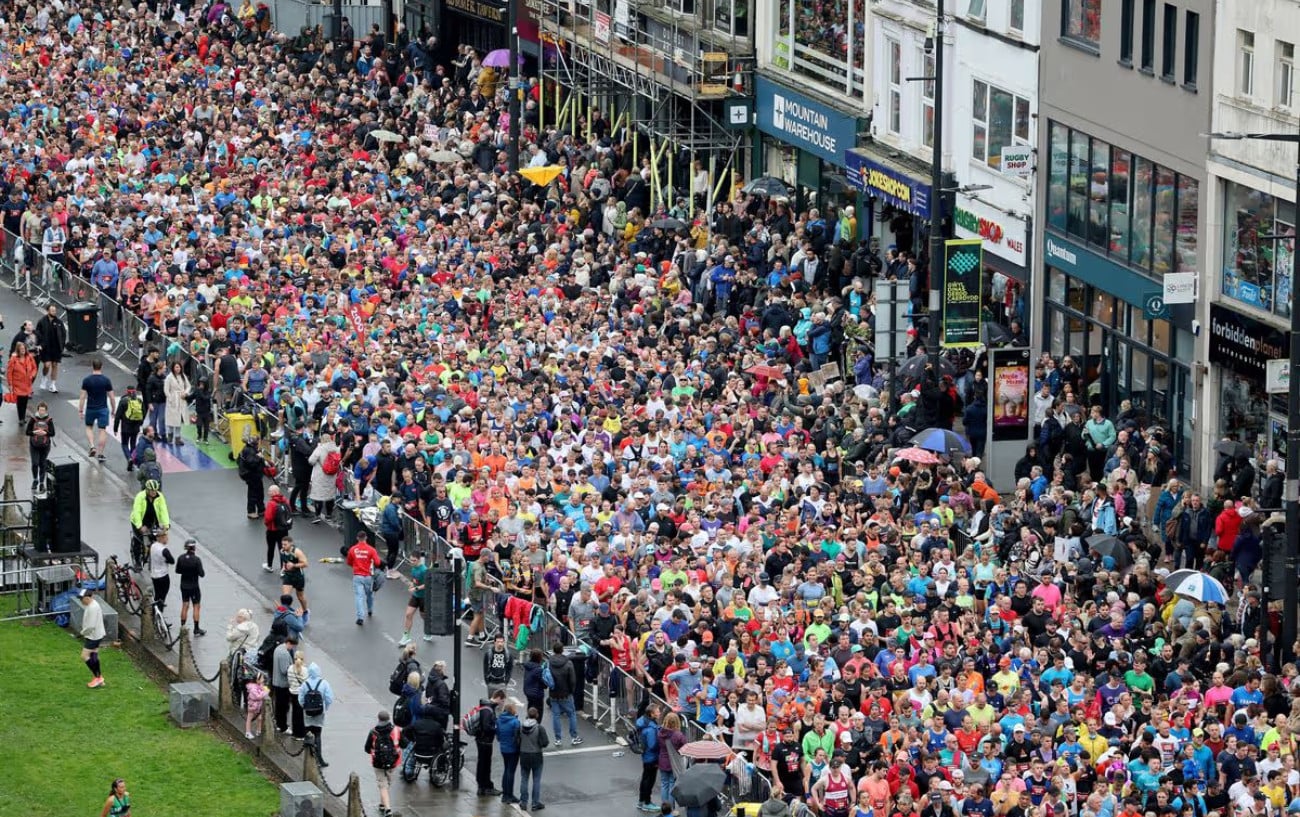
Runners died at the Milwaukee and Cardiff half marathons on Oct. 4, 2026, against a JAMA count of 59 deaths in 29.3 million US race finishes. That is about one per 500,000 finishes, and the advice attached is to stop for chest pain or faintness even with the finish in sight.
The Scientist · Science desk
Drafted by a language model from the sources cited here and checked against its claim ledger before publication. How we use AISend a correction
What happened
- The same 2010-2023 data held 176 cardiac arrests, roughly one for every 167,000 participants.
- Among cases with a definitive diagnosis, coronary artery disease was the most common cause the JAMA study identified.
- A Gothenburg Half Marathon study in Sports notes that heatstroke and very low blood sodium can also kill runners, and that collapse after stopping more often comes from a drop in blood pressure.
- According to a literature review in BMJ Open Sport & Exercise Medicine, drinking too much fluid can push blood sodium down to dangerous levels, so Discover advises drinking to thirst.
Compiled by The ScientistSomething wrong?How this is made
Why it matters
- decision Pushing on to protect a finish time works against what Discover says changes outcomes in a race emergency: recognising trouble early and getting help quickly.
- exposure Runners with past fainting, symptoms during exercise, or a family history of sudden unexplained death are the group the American Heart Association wants talking to a clinician before race day.
- constraint The JAMA rate covers US finishes only and pools marathons with half marathons, so it cannot be read as the risk at Cardiff or the risk of a half marathon alone.
Every unit in the JAMA denominator is a finish [2]. Discover's write-up states the arrest rate per participant [3]. A finish, though, is one runner completing one race, so someone who enters six half marathons a year is counted six times. One in 500,000 is a per-race figure, and a runner's own exposure grows with each race entered [3].
Spread over the 14 seasons from 2010 through 2023, the totals come to roughly 2.1 million finishes, 13 cardiac arrests and four cardiac deaths a year across all US marathons and half marathons combined [15][17]. Deaths were about a third of the arrest count, 59 against 176 [16]. Most of the runners whose hearts stopped in this data set survived [16].
The American Heart Association describes sudden cardiac arrest as the heart no longer pumping effectively, often because of a dangerous electrical rhythm [4]. Strenuous exercise, it says, can trigger one in a person with an underlying heart condition, including one that was never diagnosed [4]. On that account the race sets off a problem the runner already had [4]. Inherited disorders of the heart muscle or its electrical system fall in the same group, and they can leave athletes who look healthy vulnerable [6].
Early on, a cardiac arrest can look like the other causes of a runner going down. Discover calls prompt medical assessment essential for that reason [8].
Discover does not report a cause of death for either runner who died on Oct. 4 [1]. It cites a New York Post report on the Milwaukee runner, headlined as a Wisconsin father of four who collapsed near the finish line in his first half marathon [13]. For Cardiff it cites a Sunday Guardian report that organisers confirmed a runner had died after the race [14]. Two deaths on one day cannot show whether the underlying rate has moved. The 14-year US average of about four race-day cardiac deaths a year is the comparison the evidence supports [15].
What to watch
- Official cause-of-death findings for the Milwaukee and Cardiff runners, to establish whether either death was a cardiac arrest.
- A UK or European count of race-day cardiac arrests on a per-finish basis, the figure needed to set the Cardiff death against a rate.
- A breakdown of the JAMA figures by race distance, giving a half-marathon rate on its own.