ScienceNot yet confirmed elsewhere1 publisher3 min readPublished
Gen Z followers in a 26-person VCU study trust TikTok doctors over their own physicians
Virginia Commonwealth University researchers interviewed 26 Gen Z followers who found TikTok physician-influencers more credible than their own doctors. Followers said they buy what the doctors sell, though a sample this small cannot show how far the pattern extends.
The Scientist · Science desk
What happened
- Followers who noticed the doctors were selling products excused it, reasoning that the doctors had to and would not charge if they could avoid it.
- Their own doctors, by contrast, came across in interviews as uninterested in prevention, motivated by copays, and hard to understand.
- Only about 17% of health and wellness influencers are conventional medical professionals such as doctors, according to the VCU account.
Compiled by The ScientistSomething wrong?How this is made
Why it matters
- constraint Because all 26 interviewees were already followers and the account does not mention a comparison group, the study can explain how fans form this trust but cannot estimate how widespread it is across Gen Z.
- exposure Followers accepted stethoscopes, scrubs and wall diplomas as proof of credentials, so an unlicensed creator with the same props would likely pass the same check, though the study tested only licensed doctors.
- decision The complaints about personal doctors concern copays, motive and explanations patients could not follow, and clinics can work on those whether or not their physicians ever post a video.
The study's design limits what the finding can show. The VCU team analyzed 330 TikTok videos from 11 licensed U.S. physicians with large followings, about 30 videos per doctor [4][17], and they interviewed 26 Gen Z people who actively follow physician-influencers [5]. Those 26 were chosen because they already follow these doctors. The published account does not describe a comparison group of non-followers or a scale on which credibility was scored. So the study shows how committed followers explain their trust. It cannot say how common that trust is among people born between 1997 and 2012 [14].
Makarem, an associate professor of marketing in VCU's School of Business, ran the study with two colleagues [6]. She has named the pattern. "We call it the mere social media presence effect," she said. "What a physician-influencer recommends may carry more weight than what their own doctor tells them. That should give us pause." [7]
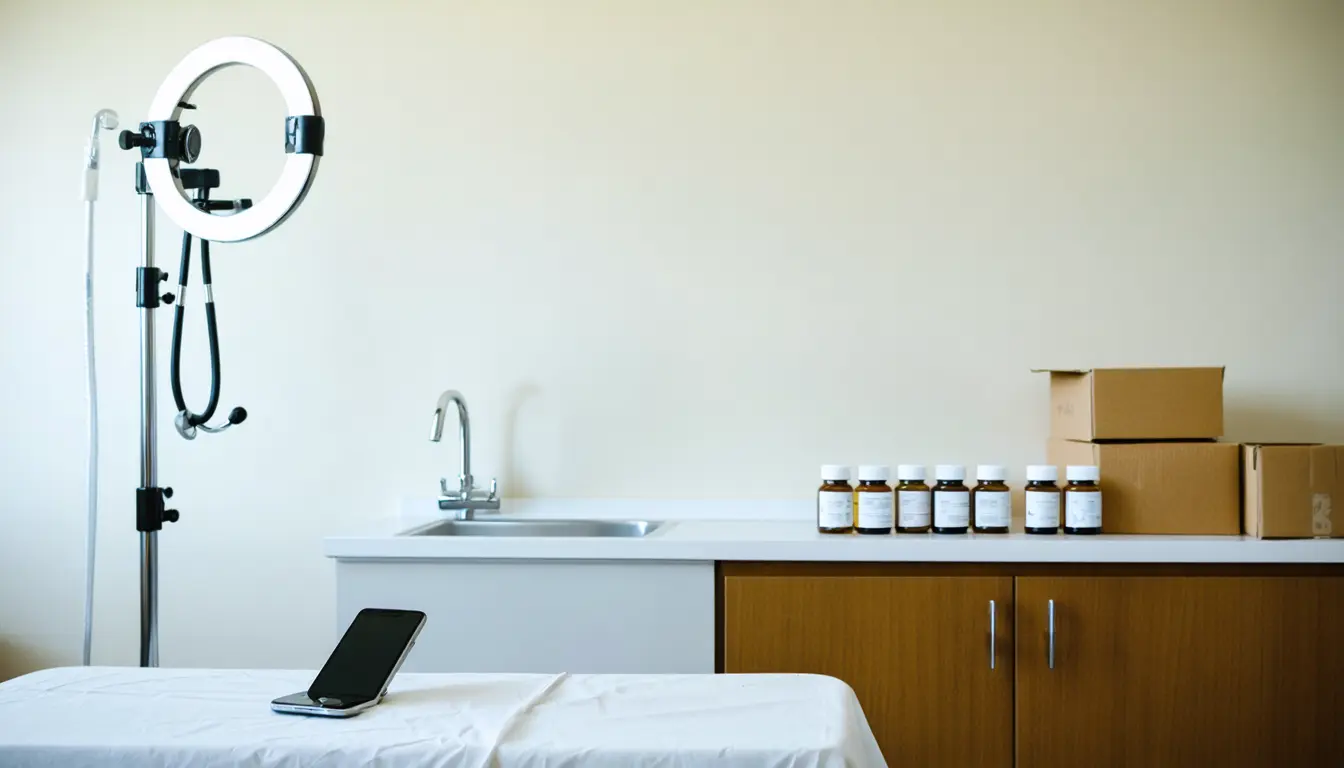
The interviews show clearly where the credibility comes from, and a lot of it is clothing and props. Asked whether they had checked that the doctors were real, a follower answered, "No, but I'm sure. They're wearing a stethoscope; there's a diploma hanging on the wall; they have scrubs on. I don't think they'd be lying about this." [10] The videos supply those cues even when the topic isn't medicine. Makarem described doctors "making a peanut butter and jelly sandwich in their kitchen, but they have a lab coat on." [9] Other viewers' comments add to it. "If you're reading things like, 'Thank you, this changed my life,' then you see the positive impact of the influencer on other people," she said [16].
All 11 doctors in the sample were licensed [4]. The study did not test how the same followers would treat someone in the same lab coat without a license. I'd expect the cues to work just as well, since none of them requires a medical degree to buy.
In Makarem's account, the physician label also changes how young people handle commercial intent. "Young consumers are usually very literate when it comes to social media influencers and commercial intent. But when you have a physician on TikTok, that becomes something different," she said [8]. When followers do notice the selling, she said, "they say, 'Well, they have to. If they could do it for free, they would.'" [11]
The behavioral claim is strong. "We found that the followers have very high adherence," Makarem said. "They buy the products; they follow the advice." [1] That is self-report from 26 people. An interview study is not built to show whether the products or the advice helped anyone.
The comparison with their own doctors is the part clinicians can act on. The complaints are about motive, cost and explanations patients cannot follow. Makarem recalled followers saying things like, "My physician isn't interested in preventive medicine. He wants me to keep coming to see him because that's how he makes money. I have to make a copay to see him, and then I get information I can't understand." [12]
Makarem's recommendations address both sides. She said the study points to teaching consumers to verify credentials and to recognize commercial intent no matter who is selling [15]. She also suggested that physicians who have stayed off social media reconsider. In the VCU account, only about 17% of health and wellness influencers are conventional medical professionals such as doctors [13].
What to watch
- A survey of a representative Gen Z sample, including non-followers, that scores credibility for TikTok physicians against respondents' own doctors on a common scale.
- Studies testing whether the same visual cues (lab coat, stethoscope, diploma) earn the same trust for creators who hold no medical license.
- Purchase or health-outcome data on followers, to check the self-reported "very high adherence" against what people actually do and what happens to them.
Clarity's read
What the record supports and how the coverage leans. The claims behind it follow.
Reality
- Evidence40
- Adoption
- Insufficient
- Hype gap+30
- Incentives
- Insufficient
- Confidence45
Claim ledger
Ranked by verification strength, evidence, and original report placement.
- [1]
"We found that the followers have very high adherence," Makarem said. "They buy the products; they follow the advice."
ReportedSupportedSource: Suzanne Makarem, quoted by phys.org2 sources— create a free account to open themView cited source - [2]
A Virginia Commonwealth University study co-authored by Suzanne Makarem and published in the Journal of Consumer Affairs found that young adults following physicians on TikTok consider them more accessible, credible and altruistic than their own doctors, even when the physician-influencers are selling products.
- [3]
The followers had not confirmed the influencers' medical credentials.
- [4]
The researchers analyzed 330 TikTok videos focusing on 11 U.S.-based, licensed medical doctors with significant reach and impact on TikTok, whom Makarem called "the mega influencers."
- [5]
The researchers interviewed 26 Gen Z participants who actively follow physician-influencers.
- [6]
Makarem is an associate professor of marketing in VCU's School of Business and conducted the study with two colleagues.
- [7]
"We call it the mere social media presence effect," Makarem said. "What a physician-influencer recommends may carry more weight than what their own doctor tells them. That should give us pause."
- [8]
"Young consumers are usually very literate when it comes to social media influencers and commercial intent. But when you have a physician on TikTok, that becomes something different," said Makarem.
- [9]
Makarem said physician-influencers are likely to wear medical attire even when not talking about medicine: "Like, they're making a peanut butter and jelly sandwich in their kitchen, but they have a lab coat on."
- [10]
Asked whether they had checked that the physicians were actual physicians, a follower responded: "No, but I'm sure. They're wearing a stethoscope; there's a diploma hanging on the wall; they have scrubs on. I don't think they'd be lying about this."
- [11]
"If they do recognize the commercial intent, they say, 'Well, they have to. If they could do it for free, they would,'" Makarem said.
- [12]
Makarem said followers described their own doctors in terms like: "My physician isn't interested in preventive medicine. He wants me to keep coming to see him because that's how he makes money. I have to make a copay to see him, and then I get information I can't understand."
ReportedSupportedSource: Suzanne Makarem recounting interviewee statements, quoted by phys.orgView cited source - [13]
Makarem said physicians who have shied away from social media may want to reconsider; of all health and wellness influencers on platforms, only about 17% are conventional medical professionals such as doctors.
- [14]
Makarem said Gen Zers, born between 1997 and 2012, turn to social media for health information at significantly higher rates than previous generations, and TikTok has become especially influential for health information.
- [15]
Makarem said the study highlights the importance of educating consumers to verify credentials and to recognize commercial intent, no matter who is doing the selling.
- [16]
"If you're reading things like, 'Thank you, this changed my life,' then you see the positive impact of the influencer on other people," Makarem said of comments from other followers.
- [17]
The content analysis averaged about 30 videos per physician.
Sources
1 independent publisher whose own reporting we read for this story.
- phys.orgPopular TikTok docs have big influence on Gen Z followers, new research finds
1 article · October 6, 2026
Topics and entities
Follow any of these and your For You feed starts watching them — no settings page required.
Topics
- Health information on social mediaFollow
- Physician influencersFollow
- Influencer MarketingFollow