Invest2 publishersIndependently confirmed2 min readPublished
France pauses stun grenades six months before the vote to replace Macron
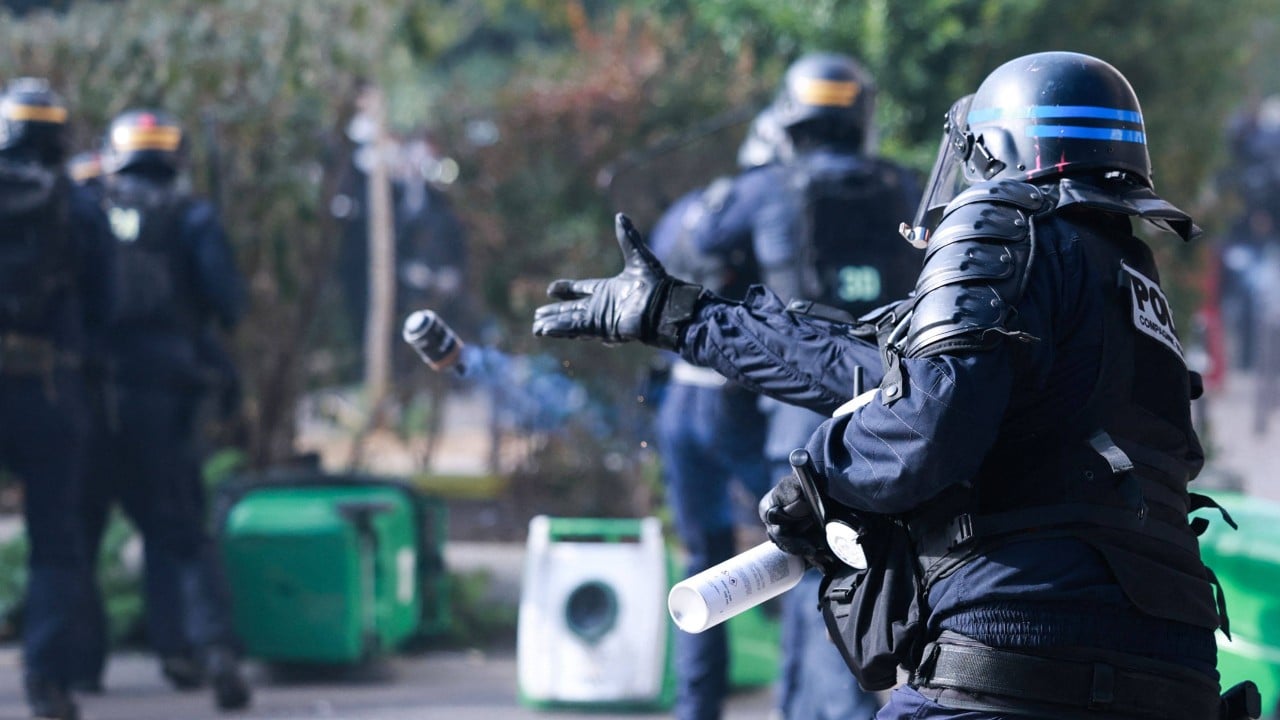
France's government paused stun grenades after a teenager lost his hand in clashes with police during school protests. The unrest comes six months before the vote to replace Macron, at a time when Semafor reports French bond yields at multidecade highs.
The Investor · Invest desk
What happened
- Demonstrations over school conditions have spread to more than 40 French cities, according to Semafor.
- More than 500 schools were closed the day after demonstrations swept the country, SCMP reported.
- Public-sector workers are striking at the same time, part of what Semafor describes as a multifaceted national crisis.
- Semafor suggests a ban on phones in schools, enforced last month, may be an overlooked trigger for the student anger.
Compiled by The InvestorSomething wrong?How this is made
Why it matters
- exposure Holders of French government debt carry the result of a vote six months away, and the protests have exposed public anger that the campaign will have to answer.
- cost Any school-spending offer to end the blockades would be financed at what Semafor calls multidecade-high yields, so the bill for calm lands on the budget and its lenders.
- precedent Paris gave ground on policing after one injury, so organisers heading into Thursday's marches have evidence that pressure produces concessions.
Closed schools do not cost the French treasury much on their own. More than 500 of them shut [6] is a burden on families and a problem for ministers. Bondholders pay for the unrest only if Paris spends money to end it, or if the protests change who writes the budget after the election to replace Emmanuel Macron. SCMP puts that vote six months away [8].
So far the concession costs nothing. The government paused stun grenades after a 15-year-old's hand was blown off in a clash with riot police, SCMP reported [3]. A policing change has no line in the budget, and it is the only concession either report describes. On the grievance itself, a teacher writing in Grand Continent, cited by Semafor, argued that after losing the phone the "high school student has opened their eyes to a situation that has suddenly become unbearable" [13].
The protests may simply fade after the grenade pause and Thursday's marches, and leave no mark on French debt. A second path runs through the public-sector strikes Semafor describes [4]. Unions representing high-school students, teachers and other workers are already planning Thursday's marches together [7], so the link between the school dispute and the wage dispute exists on paper. The third path runs through the election, in which, according to Semafor, France's traditional parties are reckoning with the far right [9]. The second path reaches bondholders through spending demands. The third reaches them through the identity of the next budget's author.
I think the third path matters most for French government debt, and the protests matter to its holders only as far as they move the vote. The case against that view starts with Semafor's own description of yields at multidecade highs [10]. A level alone cannot separate French risk from a general rise in euro-area rates, because a rate move across the bloc would lift French yields too. The measure that isolates France is the spread over German debt, and neither report includes it. If that spread holds steady through Thursday and the weeks after, the market is pricing rates, and the view here is wrong.
The calendar gives Paris room. The protests have run for more than two weeks [5]. Six months is about 26 weeks, so the government has roughly 13 times the movement's current lifespan to settle it before voters decide [11].
What to watch
- Turnout at Thursday's marches called by unions for students, teachers and other workers, as a test of whether the movement fades after the grenade pause.
- The spread of French government bond yields over German yields; a widening alongside the protests would separate French political risk from a general rise in euro-area rates.
- Any government offer on school funding or the phone ban, and how Paris says it will pay for it.