Science1 publisherNot yet confirmed elsewhere3 min readPublished
Edinburgh surgeons return a 19-year-old's frozen testicular tissue in the UK's first such transplant
Edinburgh surgeons have returned a 19-year-old's frozen testicular tissue to his body, the UK's first such transplant and the second reported worldwide. Its result is the first UK test of whether tissue banked from boys before chemotherapy can restore sperm production.
The Scientist · Science desk
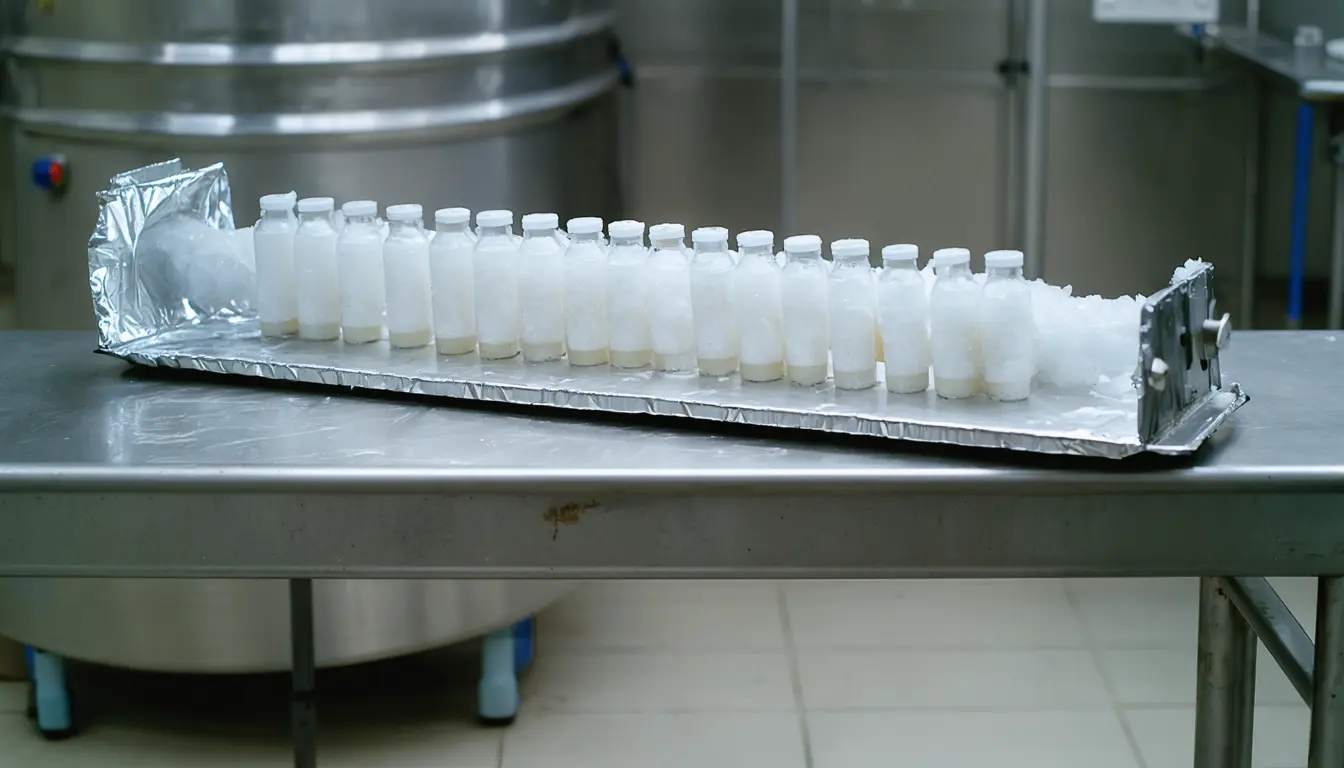
What happened
- The tissue was removed and frozen three years ago, before the patient began treatment for a serious blood disorder.
- Three years after his chemotherapy, tests found no sperm in his semen.
- NHS Lothian performed the operation with funding from the charity Children with Cancer UK, after a decade of research at the University of Edinburgh.
- The surgery took place in August, and doctors expect to know within a few months whether he is producing viable sperm.
Compiled by The ScientistSomething wrong?How this is made
Why it matters
- capability If the graft makes sperm, boys too young to bank semen would have evidence that tissue frozen before chemotherapy can later be put back to use, the only preservation route open to them.
- constraint Because this patient was about 16 at freezing, even a positive result would leave open whether tissue from prepubescent boys, the group with no alternative, behaves the same way.
- decision Men returning to use their banked tissue will be deciding on a transplant with two reported cases behind it, too few for doctors to quote any odds of success.
The evidence this operation can produce is a single before-and-after comparison in one man. His own earlier semen test, with no sperm in it [3], is the only control. The graft carries spermatogonial stem cells, the cells responsible for making sperm from puberty onwards [5]. The question is whether they make sperm after being frozen and put back. One patient can answer yes or no. He cannot give a success rate.
His age at freezing affects what a success would mean. He was about 16 when the tissue was taken [17]. Freezing semen is established for older teenagers and adult men. For prepubescent boys it is not an option, and tissue freezing is the route that could open fertility preservation to them [7]. The report does not say whether he had reached puberty at the time of freezing. A good result would show the surgery can return working tissue to a young adult. It would not, by itself, show that tissue taken from a much younger child does the same.
The University of Edinburgh's storage count [14] supplies the denominator. Two reported transplants worldwide [4], set against more than 3,100 patients with tissue in storage, is under 0.1% [18]. Rod Mitchell, professor of developmental endocrinology at Edinburgh's Institute for Regeneration and Repair, said: "Ten years ago, we started our research programme to freeze and store pieces of testicle from boys before they start chemotherapy, to preserve their fertility." [10] He added: "We are beginning to see some of these young men return to explore their fertility options." [11]
The only outcome so far in the reporting comes from a different patient. In May, the Guardian reported that a man whose testicular tissue was frozen before chemotherapy as a child, and put back 16 years later, had been able to produce sperm [13]. Sperm in a sample is still a step short of the goal Mitchell named. "This is a big step towards helping boys facing treatments that damage their fertility to have children of their own," he said [9].
I think the Edinburgh operation shows the return step can be done inside the NHS, as research. Tracey Gillies, NHS Lothian's medical director, called it a "landmark procedure" [12]. Mitchell said "This study offers real hope for future fertility in boys facing cancer treatment" [11]. The patient described himself as part of that research and said he hoped it meant "other young people in the same position can have that hope too" [16]. He was also plain about the open question: "We don't know yet whether it will work, but knowing that there is now even a possibility means more to me than I can really put into words." [15]
What to watch
- The semen tests on the Edinburgh patient in the coming months, and whether they show viable sperm.
- Whether Edinburgh offers the transplant to further returning patients, particularly those whose tissue was frozen before puberty, and reports them as a series.
- Any report of a pregnancy or birth using sperm from retransplanted testicular tissue.