Product1 publisherNot yet confirmed elsewhere2 min readPublished
DOE's 2027 Idaho test asks whether Deployable Energy's microreactor can travel with its fuel loaded
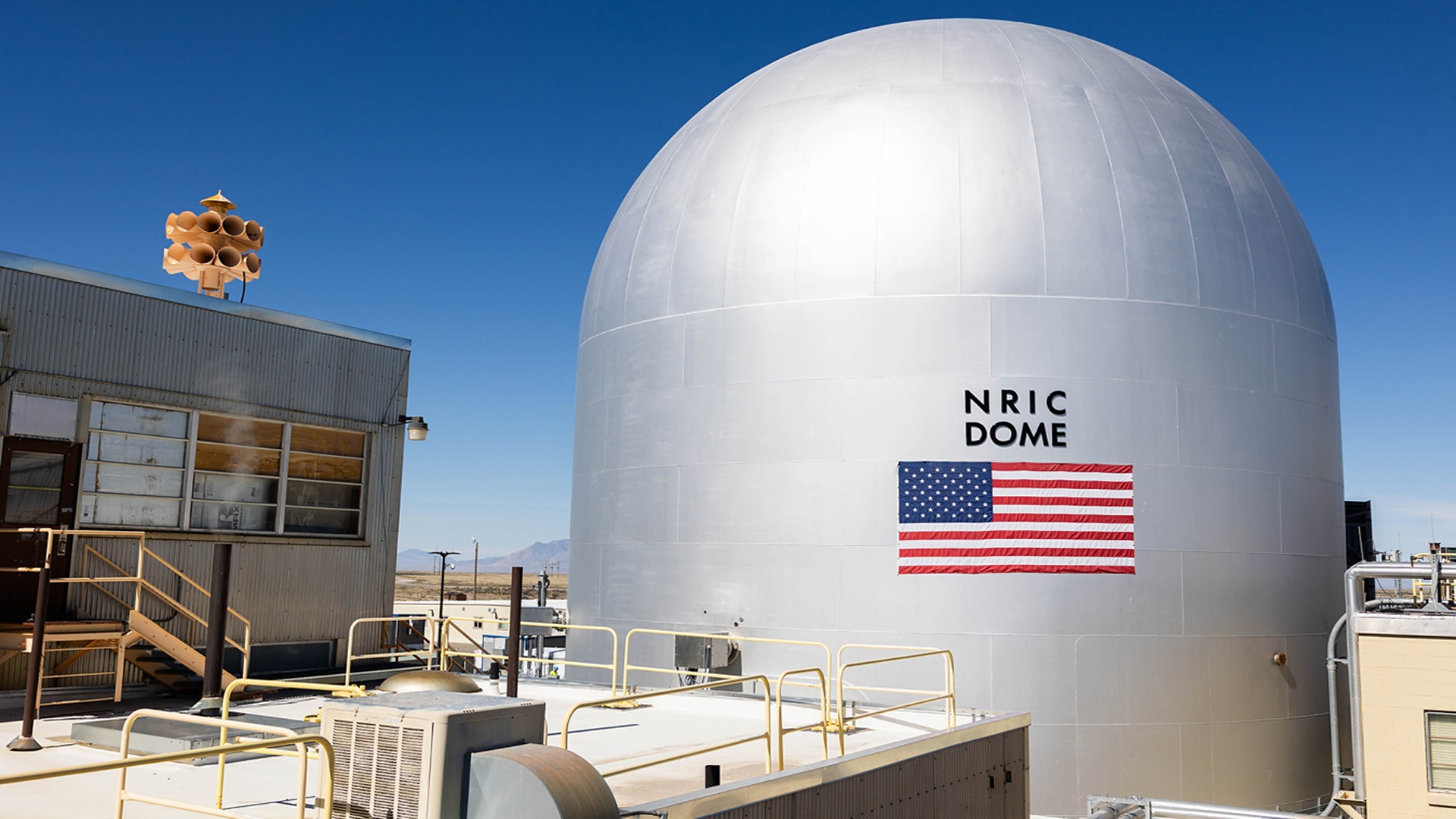
DOE has selected Deployable Energy's Unity microreactor for a full-power test at Idaho National Laboratory's DOME facility in 2027. It is the first Unity test aimed at the questions an off-grid buyer asks about delivery and removal, though it stops short of a license.
The Product Desk
What happened
- Unity reached criticality on June 30, about 150 days after the project began, and the company says it was the first Nuclear Energy Launch Pad developer to get there.
- Deployable Energy plans to load fuel at a factory, ship the fuelled reactor to INL, install it inside DOME and run it at full power.
- After the run, the company intends to move the reactor to another location inside the laboratory and complete the management of its nuclear fuel.
- Deployable Energy has also been picked for a separate DOE-authorized commercial nuclear maritime demonstration that sits outside the DOME campaign.
Compiled by The Product DeskSomething wrong?How this is made
Why it matters
- decision Operators sizing a remote site have no Unity power data to plan against until the full-power results come in, so any commitment made before then is a pilot.
- constraint Relocation will be shown only within one laboratory campus, so the first move to an unrelated customer site with its own permits remains untested.
- precedent A factory-fuelled delivery completed under NRC observation would give later licensing talks for transportable reactors a worked case to start from, though the run itself grants no approval.
Take the person who runs power for a remote industrial site, one of the customers Deployable Energy says it is building Unity for, alongside ships and other places far from a grid [4]. Their questions are practical. They want to know what the unit puts out, how it arrives, how it leaves when the job is done, and who has to approve it sitting there.
So far the milestones have measured how fast the company can build. Deployable Energy announced DOE's selection on October 7 [1], 99 days after Unity went critical [15]. "Build the reactor, learn quickly, and move to manufacturing: that is the model the advanced nuclear industry needs," said Bobby Gallagher, Deployable Energy's co-founder and CEO [10].
What teams tend to tell themselves buyers want is proof the physics works. What a buyer actually checks is whether the reactor shows up working. Criticality confirms a reactor can sustain a controlled chain reaction, but it does not establish that the system can deliver its intended power under operating conditions [6]. The 2027 campaign is the first Unity test pointed at delivery. Interesting Engineering reports that it will check whether a fuelled reactor can be moved and installed through a repeatable process, without extensive construction at every deployment site [14].
Part of the buyer's list stays open after 2027. The NRC observed the criticality test and will keep observing; the campaign is meant to support future licensing discussions and does not itself constitute commercial regulatory approval [11]. DOME can hold experimental reactors of up to 20 megawatts thermal, a figure that describes the facility, not Unity [9]. The report does not give Unity's own rating [9]. Before the run, the company will work with NRIC and INL on engineering, fuel preparation, safety reviews and test planning [12].
For an operator deciding what to do about Unity before then, I think two questions sort it. One is whether the reactor has been delivered fuelled and moved again. The other is whether it is approved for the kind of site the operator runs. Two noes is a research partnership, and Unity sits there today [11]. Moved but unapproved is where a successful 2027 run would leave it, worth a pilot agreement and a seat in the licensing conversation. Approved but never moved is a small plant built in place, the site-by-site construction Unity is designed to avoid [14]. Only two yeses describe equipment a site manager can order against a delivery date, and the 2027 run can supply the first of them at most.
What to watch
- A published power rating for Unity before the 2027 run, the first figure a site operator could size a load against.
- Any licensing filing with the NRC that follows the observed campaign and carries a date.
- Whether the separate maritime demonstration gets its own site and schedule.