Science1 publisher2 min readPublished
Barbary macaques raid Algerian farms most when figs ripen, a 94-farm survey finds
Researchers surveying 94 farms in Algeria's Bejaia province found a third abandoned over crop losses to endangered Barbary macaques. Their data on when and where the monkeys raid give deterrent and conservation plans specific targets.
The Scientist · Science desk
Drafted by a language model from the sources cited here and checked against its claim ledger before publication. How we use AISend a correction
What happened
- About 68% of the surveyed farms had macaques foraging on them every day during conflict periods.
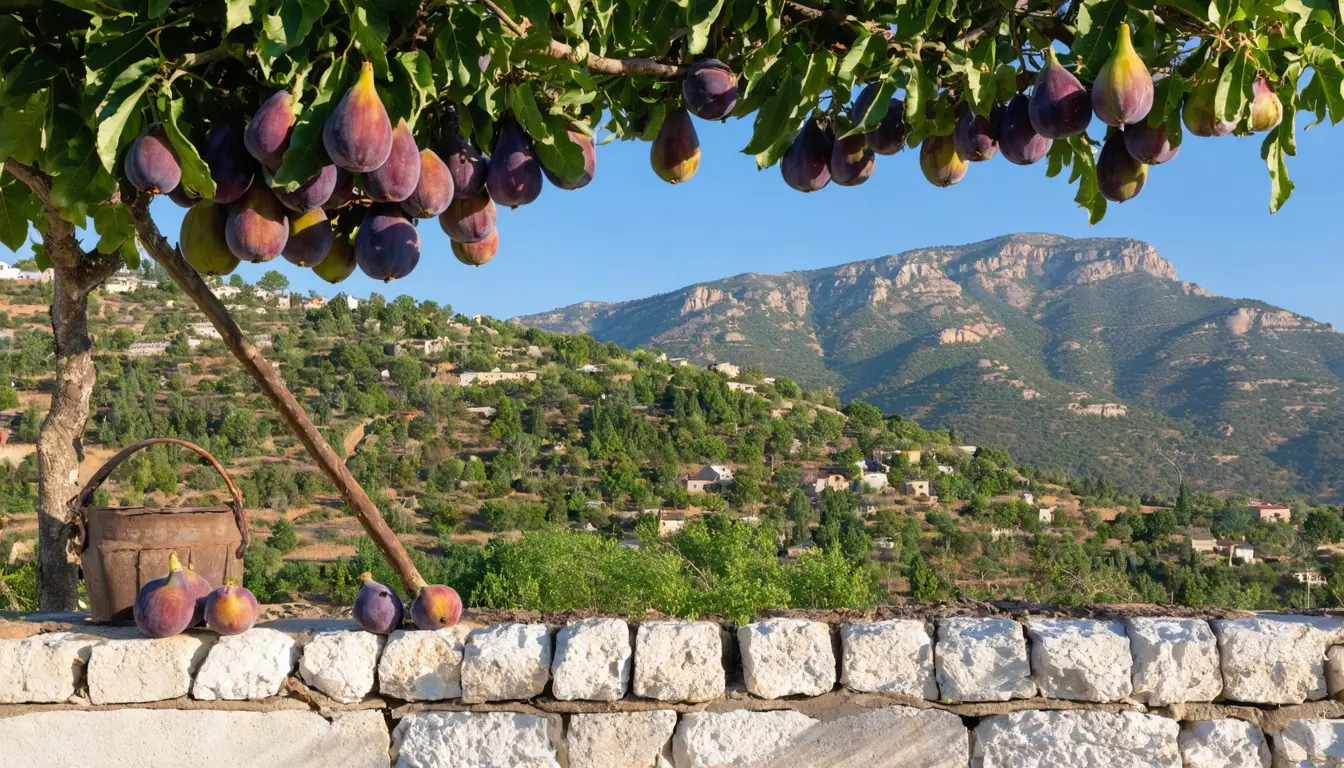
- Figs were hit on almost every farm, followed by apples and pears, grapes and tree nuts, and the monkeys ate the fruit whole.
- Incursions came mostly at dawn and dusk, the hours when fewer people were out working.
- Larger cultivated areas were raided more often, while altitude and distance from villages appeared to matter less.
- Dogs, traditional fences and slingshots were the most common defences, yet farms using more methods were not raided any less often.
Compiled by The ScientistSomething wrong?How this is made
Why it matters
- decision Farmers and agencies can concentrate guarding and any new device on the late-summer months and the hours around dawn and dusk.
- constraint Adding more of the existing methods gains farmers little, so the open question is whether electric fencing and motion-activated devices, which the authors want tested locally, still work after macaques have had time to learn them.
- capability Almost no farmer has had wildlife-conflict training, so education and technical support are a tool that has not yet been tried in this area.
- exposure The macaque's protection depends partly on farmers putting up with it, and the authors warn that continued losses without practical defences could turn farmers against the species.
I think the seasonal result is the most useful one in the survey. Raiding peaked from July to September, when most local figs ripen, and declined from late autumn into winter as acorns, a key wild food, became abundant in the oak forests [9]. The pattern fits macaques using orchards to fill gaps in what the forest provides.
That forest has been shrinking. Bejaia province lost an estimated 50,400 hectares of forest cover between 2001 and 2023, about 40% of its baseline [14]. Working back from those figures, the starting cover was roughly 126,000 hectares [26]. The largest annual loss came in 2023, a year of deadly wildfires in the region [15], and agricultural land showed no sign of expansion between 2014 and 2021 [16]. From that, the authors conclude that recurrent fires in the forests and shrublands where macaques find natural food did the most damage to their habitat [17]. They stop short of the causal claim. "Our study cannot establish that habitat loss has led to the increase in encounters reported by farmers," they wrote [18], adding that the pattern still argues against conservation measures that focus only on farms [19].
The deterrent finding can be read two ways. The authors take the lack of any benefit from extra methods to mean that macaques change their behaviour to suit each obstacle and learn to get round it [13]. The same result would appear if the farms raided hardest were the ones that had added the most defences. A comparison across farms cannot separate the two without knowing whether the defences came before or after the worst raiding. The article reports how often raids happened and which crops were hit. It does not give yield or cash losses per farm, or how strong the link to field size was.
The study, published in Scientific Reports, rests on what respondents on 94 farms in a single province reported [1][25]. What they describe is an economic conflict. Farming supplied about 35% of household income on average, and all of it for some families [4]. More than half of farmers reported damage to roofing materials or drip-irrigation systems [6]. None reported physical aggression by the monkeys or concerns about disease [7]. The species is legally protected in Algeria, where hunting it or using poison can bring fines and prison sentences [22], and few farmers reported using poisoned bait or guns [23].
What to watch
- Local trials of electric fencing and motion-activated devices in Bejaia, and whether macaques learn to get past them as they appear to with dogs, fences and slingshots.
- Raid frequency after further fire seasons or forest recovery, as a test of the habitat-loss link the survey could not establish.