Product1 publisherNot yet confirmed elsewhere2 min readPublished
Android Auto's YouTube promise: HD while parked, audio while moving, and still no seek bar
Google's parked-video upgrade for Android Auto is gated three ways at once: by vehicle motion, by the automaker, and by subscription tier. No ship date came with it.
The Product Desk · Product desk
Drafted by a language model from the sources cited here and checked against its claim ledger before publication. How we use AISend a correction
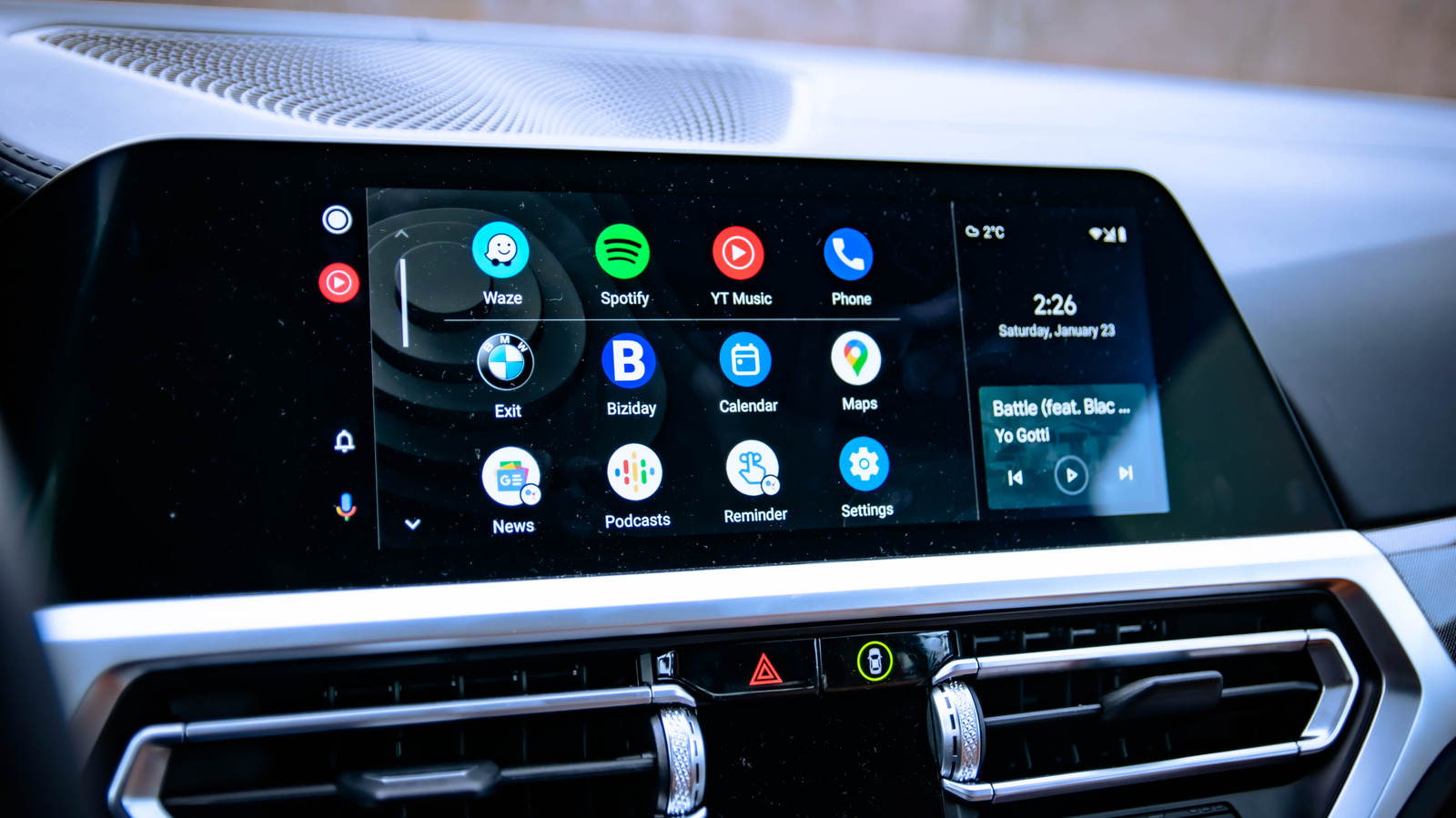
What happened
- The headline capability is HD playback at 60 frames per second on the car display while the vehicle is parked.
- Once the car starts moving, the app is meant to drop to audio-only playback.
- Google's announcement video limits driving-time YouTube listening to Premium subscribers and is silent on Premium Lite.
Compiled by The Product DeskSomething wrong?How this is made
Why it matters
- constraint A dashboard app whose feature list changes when the wheels turn has to be built as two products joined in the middle, with a handoff triggered by the vehicle rather than the user.
- cost The free tier ends up with a car screen it cannot operate, so the price of basic transport controls in the vehicle is a YouTube subscription.
- exposure While the official feature carries no date, users keep routing car video through third-party unlockers that Google neither ships nor supports.
- precedent With automakers already granting stationary video to other services, the parked state becomes something vendors negotiate for, and the next app in line has a template to argue from.
The detail worth dwelling on is not the frame rate. It is the control that Android Auto still withholds: users cannot scrub forward inside a video, which Engadget attributes to safety caution on Google's part [10]. A media app without a seek bar is a different product from the one people know. Long-form watching depends on recovering your place, and if the parked experience ships with the same restraint, HD at 60 frames per second [3] describes picture quality on a surface missing the gesture video viewers use most.
Then there is the gating. Behaviour on this screen is decided by three separate parties: whether the car is moving [4], which automaker built the head unit, since 9to5Google reports GM has already unlocked full YouTube and services such as Disney+ while stationary [7], and what the account pays for, because Google's own announcement video restricts driving-time listening to YouTube Premium without saying whether Premium Lite counts [1]. That is three independent conditions producing different capability for the same app on the same trip [15]. Today the intersection is unkind to anyone not paying: native parked video has not shipped [13], and the media controls added in March only respond with a Premium or Premium Lite subscription, according to Reddit users and 9to5Google [8][9][14].
The promise arrived in May at the Android Show: I/O Edition, with delivery inside the year and no date attached [2][11]. Absent a date, the comparison that matters is not with the current audio-only behaviour [6] but with what some cars already do. GM owners have the stationary video Google is describing as forthcoming [7], and everyone else has Fermata Auto or AA Browser, which promise parked playback with mixed results and no subscription requirement [12]. A platform feature announced but undated competes with both.
For anyone building for this screen, the design problem is the transition rather than the picture. An app has to hold two capability states and move between them without losing the session, because the trigger is the car, not the user, and the same content has to remain useful with the display taken away. Widgets and deeper Gemini integration on BMW, Chevrolet, Ford and Hyundai [5] sit on top of that constraint rather than resolving it. The honest summary of the upgrade is narrower than the announcement: the car becomes a video display in one state, an audio device in another, and the switch between them is the feature that will actually be judged.
What to watch
- Whether Google attaches an actual rollout date, or lets the within-the-year promise pass unmet.
- Whether Premium Lite subscribers get driving-time listening, which Google's announcement left unstated.
- Whether the parked mode ships with a seek bar, or keeps the current no-scrubbing restriction on a full-size display.