Product2 publishers3 min readPublished
Volvo's bigger plug-in hybrid battery only pays off if owners actually charge it
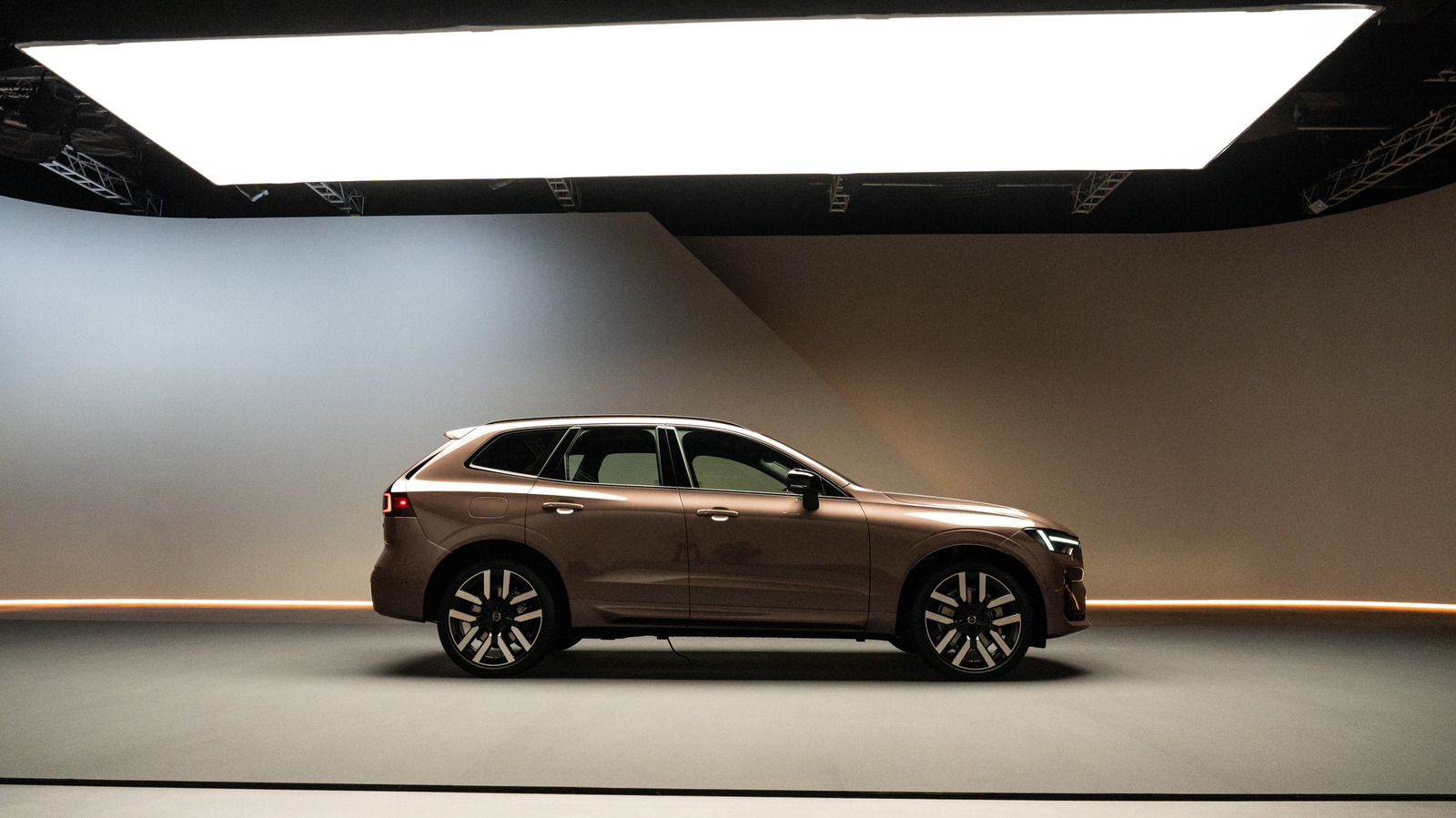
The updated XC60 and XC90 carry a 41.2 kWh pack with 37.9 kWh usable, good for a preliminary 78 electric miles, and Volvo is counting on hybrid demand to help fund its coming pure EVs.
The Product Desk · Product desk
What happened
- Volvo's updated XC60 and XC90 plug-in hybrids use a 41.2 kWh battery with 37.9 kWh usable, mounted in the floor the way the company packages its electric models.
- Preliminary figures on EPA test standards give the XC60 78 electric miles and 590 in total, and the XC90 73 and 560, against 35 electric miles for the outgoing XC60 plug-in.
- System output stays at 455 horsepower from the same 2.0-liter turbocharged four and its motors, so the change buyers are being sold is more range.
Compiled by The Product DeskSomething wrong?How this is made
Why it matters
- decision Where the car parks overnight now decides whether the plug-in version makes sense, because a driver without a socket they control is paying to carry 37.9 kWh they will seldom cycle.
- constraint Volvo's electric programs are downstream of hybrid demand, so a soft year of XC60 and XC90 orders tightens what the EX60 and the EX30 replacement have to spend.
- exposure A fleet policy or a lease quote written around 78 miles is resting on a figure Volvo itself calls preliminary, and the confirmed rating is what owners will live with.
Somebody has to plug this in. Out of 37.9 kWh usable, the XC60 travels 78 miles, about 2.1 miles per kilowatt-hour, and the XC90 on the same pack manages 1.9 [1][2][3][2][3]. Volvo keeps 3.3 kWh in reserve, 8 percent of the 41.2 kWh gross [1].
Of the XC60's 590 combined miles, 512 are gasoline miles [5]. Volvo's 78-mile figure is 28 miles clear of the top of the 30 to 50 mile band The Verge gives for plug-in hybrids on sale now [10][6].
Buying the car and charging it are two different questions. The Verge writes that hybrid owners often neglect to charge, because the gas tank keeps the car moving on a dead battery [11], and that the bigger batteries will appeal to shoppers who do not plan on taking full advantage of them [12]. Volvo claims the pair would have "the longest electric range of any plug-in hybrids available in the American market" [9]. Both range figures are preliminary and based on EPA test standards [8].
Volvo has not published the onboard charger's power [7]. A household or a depot sizing a circuit has one sum to work with: 37.9 kWh divided by the kilowatts the socket actually delivers gives the hours the car spends attached to it [1].
Volvo's reason for the bigger pack is on the record. According to The Verge, the company hopes a boost in hybrid sales will help fund pure EVs including the EX50, the EX60 and a cheaper model to replace the EX30 [14]. Engadget says the industry is leaning heavier than ever into hybrids that bridge combustion and electrification [19], and The Verge says hybrid sales dominate the market today [20]. Testing whether cell sourcing across the industry has been re-cut would take supplier names and volumes; what is on the table here is two models from one automaker. Production starts in late fall 2026, with customer deliveries in early 2027 [13]. Engadget badges the cars as 2028 models [16].
For anyone specifying these for a household or a fleet, the 4.5-second run to 60 mph [6] is beside the point. Two inputs decide it. Ask whether the car has a socket it controls overnight, and whether the daily round trip comes in under about 70 miles. Both yes, and the 37.9 kWh cycles most days [1]. Socket but longer trips, and part of the pack cycles while the rest of the mileage is bought as fuel. Without a socket, you are paying to carry a pack you rarely cycle: the XC60 B5 mild hybrid makes 247 horsepower and is EPA-rated at 26 MPG combined without anyone hunting for a plug [15].
What to watch
- Whether final EPA ratings confirm the preliminary 78 and 73 mile electric figures.
- Whether Volvo publishes onboard AC charging power and a full charge time for the 41.2 kWh pack.
- Whether hybrid volume actually arrives fast enough to keep the EX50, EX60 and EX30 replacement on schedule.