ScienceNot yet confirmed elsewhere1 publisher3 min readPublished
WHO is still waiting on Russia for the diagnosis behind an Irkutsk lab worker's death
Russia quarantined about 200 contacts of a 28-year-old who died at an Irkutsk plague institute, but the cause of death remains unconfirmed. Devi Sridhar argues in a Guardian column that the case shows preparedness depends on transparency as much as laboratory skill.
The Scientist · Science desk
Three figures: Russian authorities placed about 200 contacts of the lab worker under quarantine; the lab worker was 28 years old; pneumonic plague is largely treatable if antibiotics are given in the first 24 hours after symptoms.
| Figure | Value | Note | Claim |
|---|---|---|---|
| Contacts Russian authorities quarantined, about | 200 contacts | 3 | |
| Lab worker's age | 28 years | 1 | |
| Pneumonic plague antibiotic window | 24 hours | largely treatable if given in this time | 6 |
What happened
- The worker died on 2 October after developing severe pneumonia.
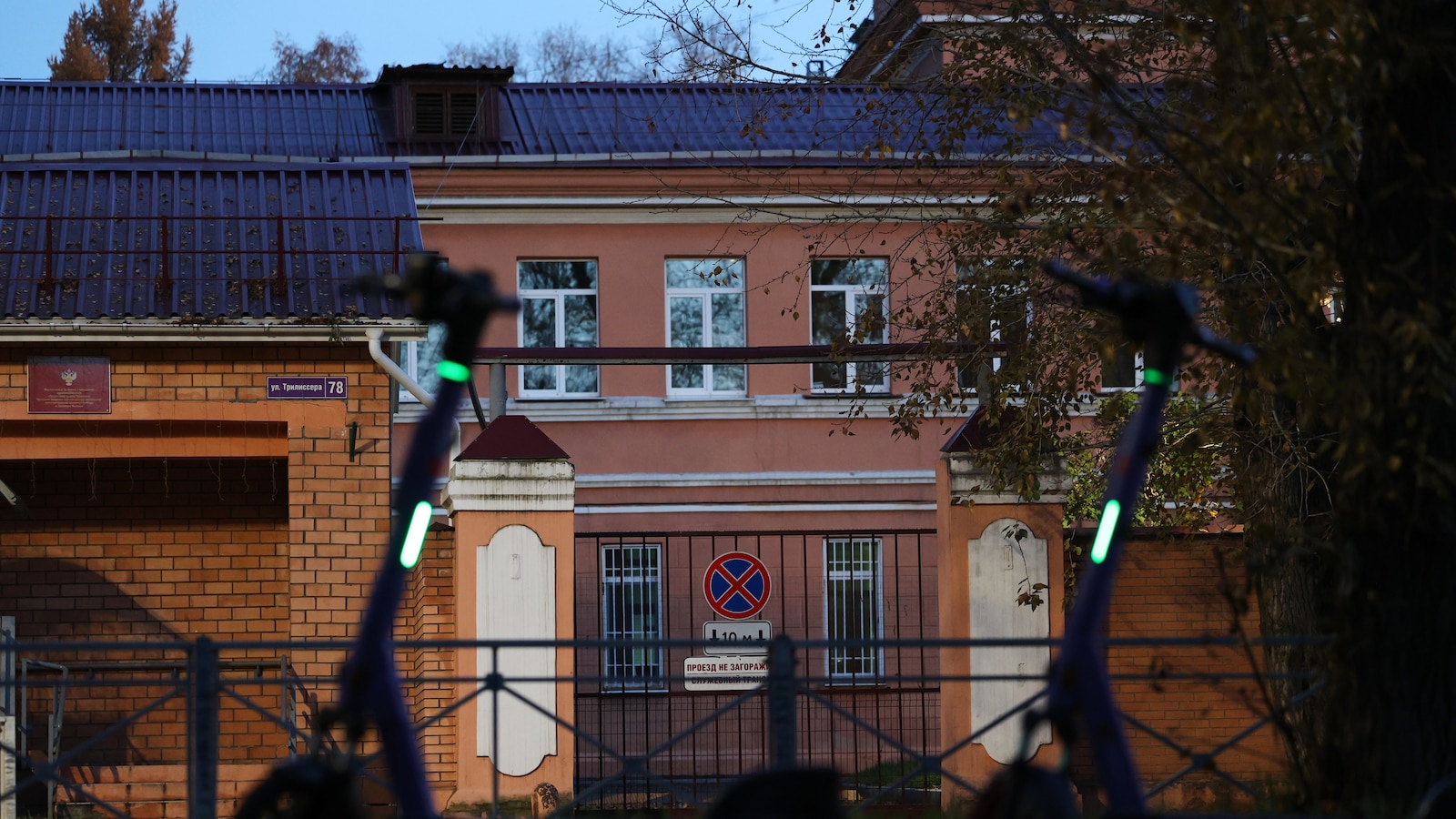
- She worked at the Irkutsk Anti-Plague Research Institute, founded in 1934, which studies plague, anthrax and cholera and is rumoured to be involved in biological weapons research.
- Initial local media coverage suggested she died of pneumonic plague after a lab accident, possibly a broken test tube.
- Russian health authorities denied it was plague and insisted it was pneumonia of unknown origin.
- The WHO issued a statement noting a potential second linked case, which Russia denied.
Why it matters
- contradiction Local reports pointed to plague after a lab accident while the authorities say pneumonia of unknown origin, so the public record holds two accounts naming different pathogens and no test result to choose between them.
- constraint Until Russia supplies the diagnosis, investigation details and second-case information the WHO requested, outsiders cannot check any of the three scenarios against evidence.
- precedent The WHO handles thousands of disease signals a month, and in Sridhar's account this single death drew global attention because of the missing transparency, so a state's willingness to share results shapes which cases escalate.
The medical stakes turn on timing. Pneumonic plague is caused by the bacterium Yersinia pestis, can spread through respiratory contact and is always fatal if untreated [5]. It is largely treatable with antibiotics given in the first 24 hours after symptoms, or even before symptoms begin after a known exposure [6]. Sridhar's question is why, if the worker knew she had been exposed, treatment was not given in time [20].
Sridhar offers three hypotheticals, all conditional on the illness being plague. In the first, the worker was accidentally exposed while doing research and either did not know or did not tell anyone out of fear, so the treatment window was missed [21]. The second involves a strain resistant to antibiotics. Sridhar concedes this may sound like a conspiracy theory, but writes that senior academics have raised it given the history of the Soviet biological weapons programme [22]. The third comes from Dan Singer, the former White House director for countering biological threats, who has suggested the worker might have been given an outdated vaccine available only in Russia and not approved by the WHO or most other countries [23]. It is a live-attenuated vaccine: a weakened version of the bacteria is given, and it does not always protect and sometimes can cause disease [24].
Ashish Jha, the former US White House Covid-19 response coordinator [8], wrote on social media that US intelligence assesses Russian scientists are still developing biological weapons capabilities in secret programmes. In his account, no one outside inspects those programmes and no one inside has much incentive to admit when something goes wrong [7].
On spread, the column is more reassuring. If the infection were moving through contacts, Sridhar writes, more cases would have emerged by now, and the testing of contacts and release of those in quarantine suggest any spread has been contained so far [9]. Yet with an incubation period of one to three days, continued monitoring is important [10]. The Russian authorities reported that no high-threat pathogens were detected and that monitoring had ended [4].
We think the central argument holds for this episode. Sridhar lists the technical steps preparedness work usually stresses: identifying pathogens, diagnosing infections, understanding their effects and developing vaccines and treatments [13]. The first two stall here, because the WHO has asked Russia for confirmation of the diagnosis, details of the investigations, the reason for the quarantine and more on the second case, and has not yet received them [18].
The thing this doesn't tell you is how general the problem is. It is one death, the piece is a Guardian opinion column [14], the three scenarios are hypotheticals, and the cause of death remains unconfirmed [19].
What to watch
- Whether Russia gives the WHO the confirmed diagnosis, investigation details and quarantine rationale it requested.
- Whether any new case appears among the roughly 200 contacts or elsewhere as the one-to-three-day incubation window runs.
- Whether any laboratory result is published on the pathogen and its antibiotic susceptibility, which would test the resistant-strain scenario.
Clarity's read
What the record supports and how the coverage leans. The claims behind it follow.
Reality
- Evidence35
- Adoption
- Insufficient
- Hype gap
- Insufficient
- Incentives
- Insufficient
- Confidence40
Claim ledger
Ranked by verification strength, evidence, and original report placement.
- [1]
The 28-year-old lab worker died on 2 October after developing severe pneumonia.
- [2]
The worker was at the Irkutsk Anti-Plague Research Institute, established in 1934, which studies plague and other dangerous pathogens including anthrax and cholera, and is rumoured to be involved in biological weapons research.
- [3]
Russian authorities quickly placed about 200 contacts of the lab worker under quarantine.
- [4]
The authorities reported that no high-threat pathogens were detected and monitoring had ended.
- [5]
Pneumonic plague is caused by a bacterium (Yersinia pestis), can spread through respiratory contact and is always fatal if untreated.
- [6]
If antibiotics are given in the first 24 hours after symptoms, or even before onset of symptoms post-exposure, pneumonic plague is largely treatable.
- [7]
Ashish Jha wrote on social media: "US intelligence assess that Russia's scientists continue developing biological weapons capabilities. Those programmes operate in secret. Nobody outside inspects them and nobody inside has much incentive to admit when something goes wrong."
- [8]
Ashish Jha was the US White House Covid-19 response coordinator.
- [9]
If the infection was spreading further, additional cases would have emerged by now; the testing of contacts and release of those in quarantine indicates any spread has been contained so far.
- [10]
Given that the incubation period can be one to three days, continued monitoring is important.
- [11]
The WHO deals with thousands of potential disease signals worldwide every month.
- [12]
The circumstances of this case are unusual given the lack of transparency from Russian authorities on what happened and ongoing concern about biological weapons research.
- [13]
Pandemic preparedness scientists tend to focus on technical challenges: identifying pathogens, diagnosing infections, understanding their effects and developing vaccines and treatments; but preparedness depends on more than scientific innovation.
- [14]
The source is a Guardian opinion column by Devi Sridhar.
- [15]
Initial local media coverage suggested the worker died from pneumonic plague after a lab accident, possibly a broken test tube.
- [16]
Russian health authorities denied that it was a case of plague and insisted it was pneumonia of unknown origin.
- [17]
The WHO released a statement noting a potential second linked case, but Russia denied this.
- [18]
The WHO has pushed the Russian government for confirmation of the diagnosis, details of the investigations, the reason it put so many people in quarantine and more information on the second case, but has not yet received this information.
- [19]
The cause of death remains unconfirmed.
- [20]
Sridhar asks why treatment was not given in time if the worker knew she had been exposed.
- [21]
In the first hypothetical scenario, the lab worker was accidentally exposed to the bacterium while doing research and either did not know or did not tell anyone out of fear, so did not ask for treatment immediately and her treatment window was missed.
- [22]
In the second hypothetical scenario, the worker was exposed to an antibiotic-resistant strain; Sridhar says this may sound like a conspiracy theory, but senior academics have raised concerns given the history of the Soviet biological weapons programme and the potential for pathogens to be engineered for hostile purposes.
- [23]
Dan Singer, the former White House director for countering biological threats, has suggested the worker might have been given an outdated vaccine that is only available in Russia because it is not approved by the WHO or most other countries.
ReportedInsufficientSource: Dan Singer, as reported by Devi Sridhar in the GuardianView cited source - [24]
The vaccine is live-attenuated, meaning a weakened version of the bacteria is given, but it does not always provide protection and sometimes can cause disease.
Sources
1 independent publisher whose own reporting we read for this story.
- theguardian.comAs a scientist, here's what worries me about the suspected Russian plague victim | Devi Sridhar
1 article · October 12, 2026
Topics and entities
Follow any of these and your For You feed starts watching them — no settings page required.
Topics
- International health regulationsFollow
- Pandemic preparednessFollow
- BiosecurityFollow
Entities
- World Health OrganizationFollow
- Irkutsk Anti-Plague Research InstituteFollow
- Devi SridharFollow
- Ashish JhaFollow
- Dan SingerFollow
- Yersinia pestisFollow