Science1 publisher2 min readPublished
UCLA study links older-looking brain scans to specific gut bacteria
UCLA researchers scanning nearly 1,500 adults tied older-looking brains to specific gut bacteria in the one group that also gave stool samples. That makes the gut a lead for follow-up studies, though an association cannot show that changing gut bacteria would slow brain aging.
The Scientist · Science desk
Drafted by a language model from the sources cited here and checked against its claim ledger before publication. How we use AISend a correction
What happened
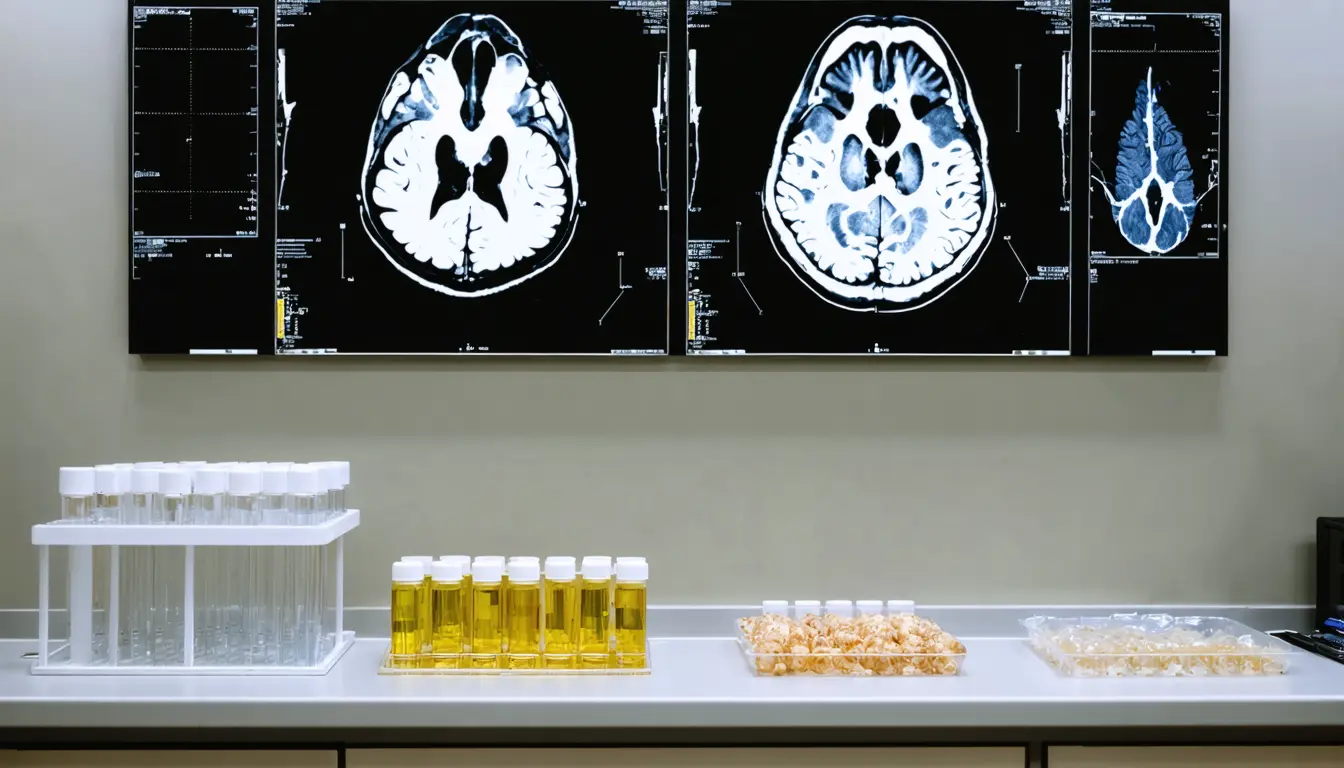
- The team estimated each person's age from how brain regions communicate at rest and called the gap between that estimate and actual age the Brain Aging Index.
- In each of the three groups, people whose brains looked older than their age generally did worse on working-memory and executive-function tests.
- People with higher index scores also reported more depression symptoms, with patterns centred on regions tied to memory and thinking about oneself.
- Higher scores went with certain fat molecules, a cholesterol-related compound and lower levels of the hormone estetrol in the stool-sample group.
Compiled by The ScientistSomething wrong?How this is made
Why it matters
- contradiction The release frames these as signals that come before obvious symptoms, yet older-looking brains already came with weaker test scores, so the gut profile has so far been seen alongside subtle deficits, and has not been shown to precede them.
- constraint Because the same people reported more depression, any claim that microbes drive brain aging would first have to separate the gut's role from mood, and an association in one group cannot do that.
- capability A connectivity-based age index that tracked cognition in three separate groups gives gut-targeted trials a scan outcome they can measure in healthy adults, without waiting years for clinical decline.
UCLA's press release [15] leaves out the size of the stool-sample group, the names of the bacteria, the strength of any of the associations, the participants' ages and any follow-up over time. Those gaps matter more for the gut result than for the brain result.
The brain result is the stronger of the two. The link between an older-looking brain and poorer working memory held in each of the three groups [4]. A pattern that repeats across separate samples is harder to put down to a quirk of one cohort. It also extends research that had mostly studied older adults or people who already had neurological conditions [13], and it agrees with earlier work tying an older-appearing brain to poorer memory and changes in mood [14].
The gut result comes from a single group [7]. The biology the team connected to it is broad, covering immunity, how blood vessels work, signalling between brain cells and how cells produce energy [9]. A list that wide gives the next study several places to look. I'd treat the bacterial profile as a lead for follow-up studies. It is too early to call it a screening marker.
The data cannot show which way the effect runs. If stool and scans were collected from the same people at roughly the same time, the data fit three explanations. Gut changes could age the brain. The brain could alter the gut. Or some third factor could move both. Only a study that follows people forward, or one that deliberately changes the gut and rescans, can tell those apart.
"Brain aging doesn't suddenly begin when we get older, but the biological signals may be detectable decades earlier," said Dr. Arpana Church [10], the study's senior author and co-director of the Goodman-Luskin Microbiome Center at UCLA Health [11]. With no ages or follow-up reported, "decades earlier" remains her expectation. On prevention, her own wording is conditional. "This ultimately opens the door to exploring whether targeting gut health could one day support healthier brain aging," she said [12].
What to watch
- The eBioMedicine paper's own tables: the size of the stool-sample group and the strength of each bacterial association decide how much weight the gut result can bear.
- A longitudinal follow-up testing whether the gut profile measured now predicts a rising Brain Aging Index or cognitive decline years later.
- Any trial that changes gut bacteria or their metabolites on purpose and uses the Brain Aging Index as its outcome.