Product5 publishers3 min readPublished
Uber buys ezCater for $2.3bn to put office catering on company accounts
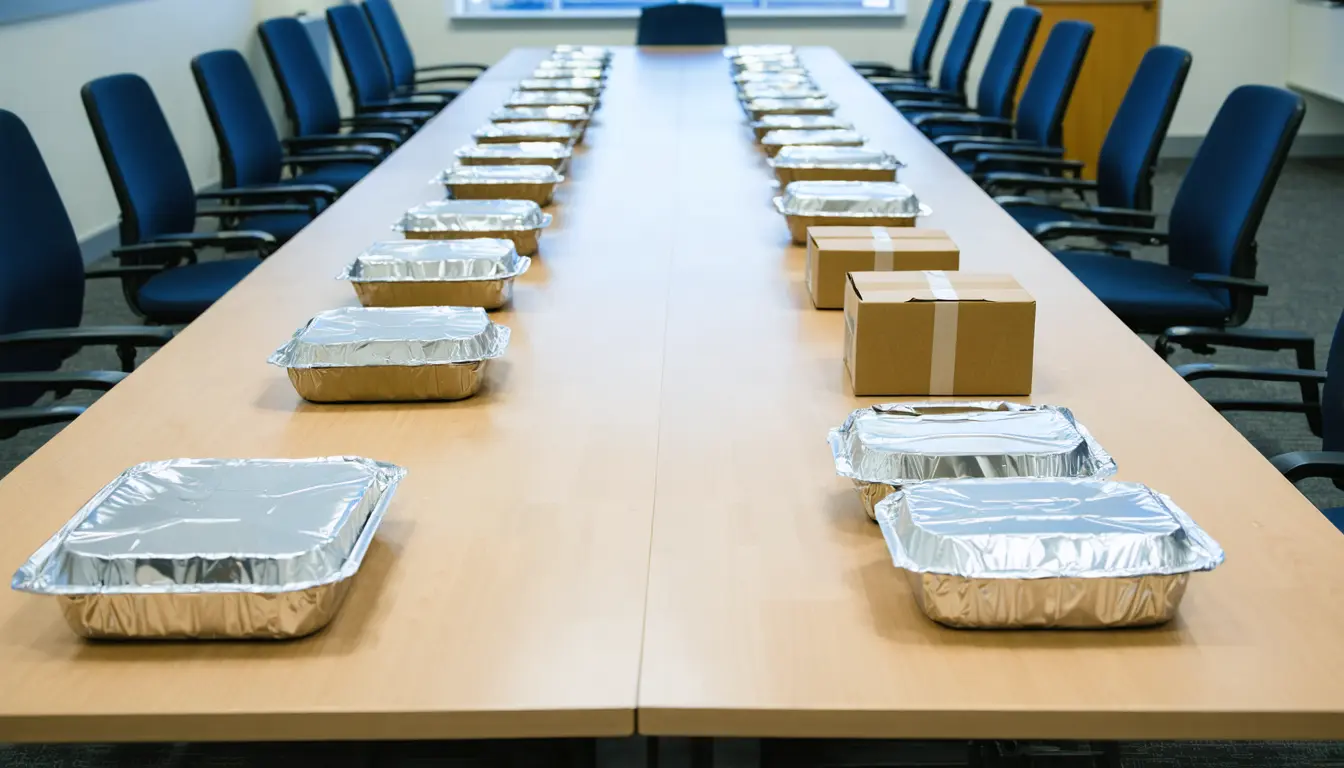
Uber agreed to pay $2.3bn in cash for ezCater, a workplace catering marketplace with more than $2.5bn in gross bookings over the past year. That price is less than one year of bookings. It buys the large repeat orders that companies place to feed their staff.
The Product Desk · Product desk
Drafted by a language model from the sources cited here and checked against its claim ledger before publication. How we use AISend a correction
What happened
- ezCater's average order is worth more than $400, and the companies say the business is profitable on a non-GAAP operating income basis.
- The companies say ezCater's gross bookings grew in the high teens year on year.
- Food delivery makes up nearly half of Uber's gross bookings and is growing faster than ride-hailing, Bloomberg reported.
- DoorDash launched its own workplace catering service through DoorDash for Business on 30 April.
Compiled by The Product DeskSomething wrong?How this is made
Why it matters
- decision Companies that already pay for meals through Uber for Business now have to choose between moving catering onto that account and keeping a separate catering vendor.
- exposure Restaurants that get catering orders through ezCater will be dealing with Uber after close, so restaurants that also sell on Uber Eats will have more of their orders tied to one platform.
- precedent With DoorDash and Uber both selling office catering through business accounts, company meal programs become a direct contest between the two delivery apps.
Take the Thursday team lunch. Someone at a company sets it up, the company pays, and the same order comes back the next week. ezCater sells recurring staff meals alongside catering for meetings and events [2]. DoorDash built a separate tool, Meal Manager, just for recurring office meals [15].
For that business, Uber is paying at most 0.92 times ezCater's trailing gross bookings, using the bookings figure the companies reported [19]. Bloomberg's Natalie Lung wrote that the purchase will help Uber compete with DoorDash, the largest food delivery platform in the US [14]. DoorDash's tray-style catering runs in San Francisco and New York [15]. ezCater lists more than 140,000 US restaurants [2].
Uber's pitch goes beyond the office. It said customers would be able to order food for a group more simply, including for events and social gatherings, and that couriers would get "attractive new opportunities to earn" [10]. "With Uber's reach, we can bring that experience to millions more customers and help restaurants win more of these valuable orders," Dara Khosrowshahi, Uber's chief executive, said [6]. Nihad Rahman, ezCater's chief executive, said: "We're energized to bring our catering and B2B expertise to Uber's global ecosystem of customers, merchants, and couriers" [11].
On the evidence, businesses order large meals for teams, and that volume is growing. DoorDash said large team orders were growing 30% faster than regular orders [16]. ezCater's $2.5bn-plus in bookings runs through a platform built for business orders [2][3]. Uber's own case is that users will order catering for social gatherings and give couriers more to earn [10].
For restaurants, the average per listing is modest. Using the lowest published figures, ezCater's bookings work out to about $17,900 a year per listed restaurant [20]. That is roughly 45 orders at $400, or under one a week [21]. The companies did not disclose ezCater's commission rates or how its orders are spread across restaurants. "Catering is a big business, and can be a huge revenue stream for restaurants," Khosrowshahi said [5].
ezCater is the smaller of Uber's two pending food deals. TechCrunch reported that Uber is also in the process of buying Delivery Hero for $15 billion [18], so ezCater costs about 15% as much [22]. In September, Uber said it would cut 10% of its workforce [17].
Nothing changes for buyers or restaurants until the deal closes, which the companies expect in the coming months, subject to regulatory approvals [12]. For whoever runs a company's meal budget or a restaurant's catering line, the decision turns on how much of your catering runs through ezCater today. It also turns on whether you already work with Uber, either as an Uber for Business account or as an Uber Eats merchant.
The simple case is heavy ezCater use plus an existing Uber relationship. Consolidating onto one account is the likely outcome, and the practical questions are about order history and invoicing. Heavy ezCater use with no Uber relationship means a new counterparty, and this case has the most reason to get terms in writing before close. A company that barely uses ezCater but already pays through Uber for Business gets catering as a new option on an account it already has. I'd take it, then judge it after a quarter on repeat orders and cost per head, not on how many staff opened the menu. The tradeoff is leverage: once catering sits on the same account as the rest of the company's Uber spending, moving it elsewhere gets harder. A company light on both has nothing to decide yet.
What to watch
- The regulatory review and closing date, since ezCater's buyers and restaurants keep their current arrangements until the deal closes.
- Whether ezCater keeps its own app and brand after close, and what commission restaurants pay once orders run through Uber.
- Whether DoorDash takes its tray-style catering beyond San Francisco and New York to compete with ezCater's national restaurant list.