Product1 publisher3 min readPublished
Warsh and Fed board unanimously approve quarter-point rate hike to fight inflation
Kevin Warsh's board voted unanimously for a 0.25-point increase with consumer prices up 3.4 percent in August. Navy Federal's chief economist says the Fed signaled two or three more hikes to come.
The Product Desk · Product desk
What happened
- The Federal Reserve raised interest rates by 0.25 percentage points on Wednesday, saying the increase was aimed at inflation.
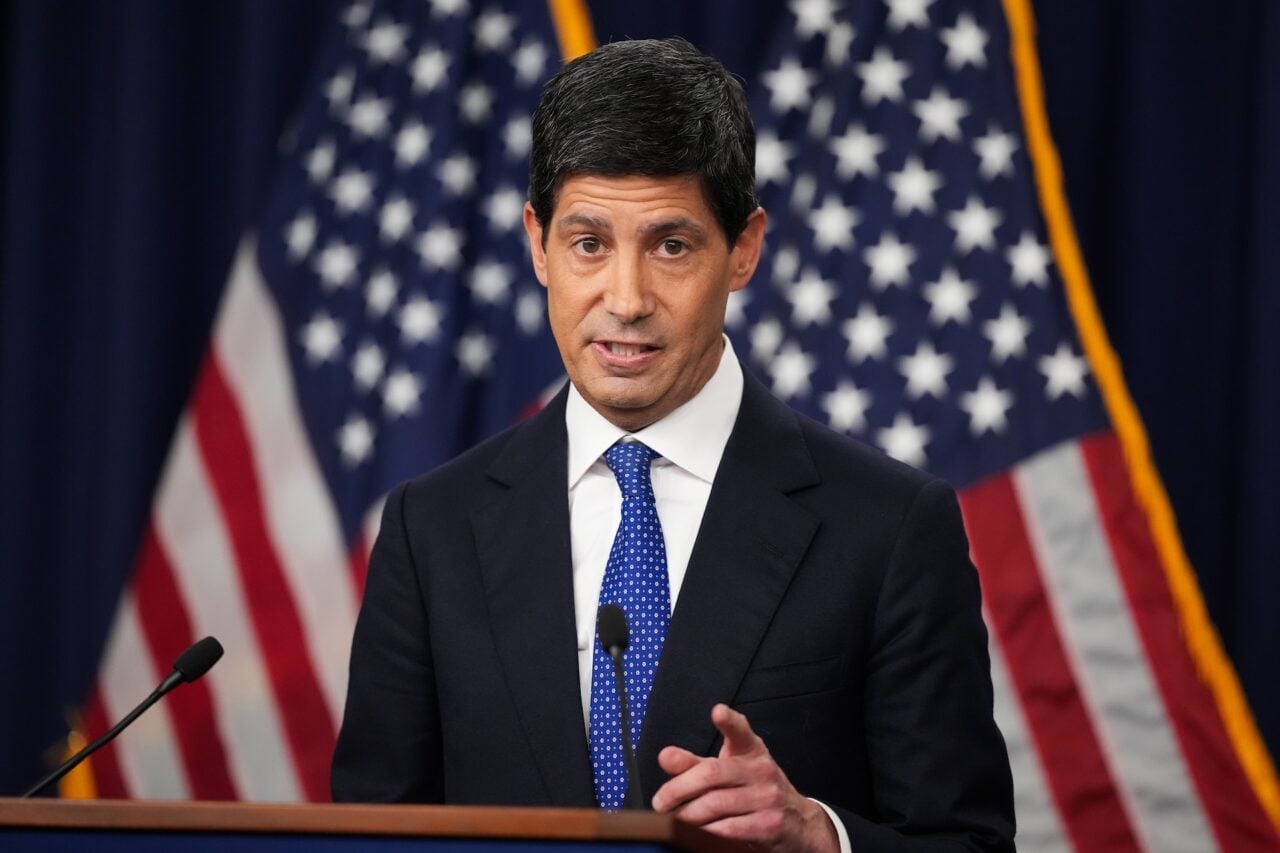
- Fed chairman Kevin Warsh voted for the increase along with all the other members of the board, making the decision unanimous.
- Trump demanded cuts in a Truth Social post on Wednesday afternoon, writing that rates in the United States should be "1%, or less" because the country is the best credit in the world.
Compiled by The Product DeskSomething wrong?How this is made
Why it matters
- decision Anyone signing a three-year compute or site commitment this quarter now picks a discount rate off a path that points up by another 0.50 to 0.75 points, so the payback model is the document that gets reworked.
- cost Teams that ship hardware or fly engineers to customer sites absorb a diesel price about 71 percent above last year before any rate change reaches their financing.
- constraint Trump replaced the chairman who would not cut and got a unanimous hike from the replacement. A 2027 or 2028 plan has no political argument left for underwriting cheaper money.
- exposure Product plans that recover their cost by charging households more are the exposed ones, because wage growth is running behind price growth.
The line most likely to be wrong in a three-year platform budget this morning is the discount rate, carried forward from a model built when cheaper money looked like a scheduling problem. Many tech VCs had hoped rates would come down once Trump returned to power in 2025 [6]. Trump pushed Jerome Powell out after Powell refused to cut, and installed Warsh, who he believed would lower rates [5]. Warsh voted to raise them, and so did every other member of the board [2].
The vote closes a question budget models have been leaving open. Wednesday's increase was 0.25 percentage points, which the Fed put down to inflation [1]. "The plain fact is that inflation is too high and has been for too long," Warsh said at his press conference [3]. Trump wrote on Truth Social that "Interest Rates in the United States should be 1%, or less" [4]. According to Gizmodo, some of the biggest names in tech investing were quiet on X afterwards [21].
Heather Long, chief economist at Navy Federal Credit Union, says the Fed signaled potentially two or three more hikes, with at least one more before the year is done [15]. At a quarter point each, that is a further 0.50 to 0.75 points, or 0.75 to 1.00 counting Wednesday [16].
Diesel and airfare are already in the build. The US average diesel price hit an all-time high of $6.31, against $3.70 a year earlier [10], about 71 percent higher [11], and Gizmodo writes the cost has been passing through to groceries and electronics [12]. The average domestic airfare is $397, up from $288 a year ago [13], about 38 percent [14], and teams that still fly engineers out for installs pay that on every trip.
Consumer prices rose 3.4 percent year over year in August while average wages rose 3.1 percent, figures Gizmodo attributes to CNBC [8]. Wages are 0.3 points behind prices [9], and a business case that recovers its cost by charging households more is being written against that gap.
Payback timing and payback source sort the spend. Twelve-month payback and twenty-four-month payback get treated differently, because a higher discount rate does its damage in the back years, so long-dated payback is the first thing a finance partner cuts. The other split is a price increase against work the company stops doing. Removed work pays back whatever consumers can afford.
Gizmodo does not report the resulting federal funds rate, or any market-implied odds of a cut [22]. It does report the day: the Dow slipped 1.5 percent before recovering a little, closing down 619 points, or 1.1 percent [7].
Richard Escobedo of CBS News opened his question to Warsh by saying "A quarter-point rate hike does not reopen the Strait of Hormuz" [18]. Warsh replied that "What we can do and will do is ensure that any change in relative prices don't broaden out, don't have second and third-order effects in the economy" [17]. Roughly 20 percent of the world's oil ships through that strait [20]. Gizmodo names Trump's tariffs and the war in Iran as the biggest drivers of inflation [19].
What to watch
- Whether the next Fed meeting delivers the additional hike before year end that Heather Long expects.
- Whether Trump moves against Warsh the way he moved against Powell, now that the vote against him was unanimous.
- Whether diesel comes off its record $6.31 average. That would ease the freight line in hardware build budgets.