Science1 publisherNot yet confirmed elsewhere2 min readPublished
Zurich-led team builds a global DNA atlas of microscopic life in 362 lakes
Zurich-led researchers reconstructed nearly 20,000 mitochondrial genomes from 362 lakes to build the first global DNA atlas of microscopic lake life. It gives genetic water monitoring a missing reference library, though the report describes no test of whether it can flag toxic algae.
The Scientist · Science desk
What happened
- The genomes came from 3,400 DNA data sets drawn from lakes and reservoirs in 28 countries on every continent.
- In several groups of algae and their relatives, the atlas lists six to more than 20 times as many species as the world's leading reference genomic database.
- Fewer than one genome in 20 could be assigned to a known genus, and about 750 species matched no known group at all.
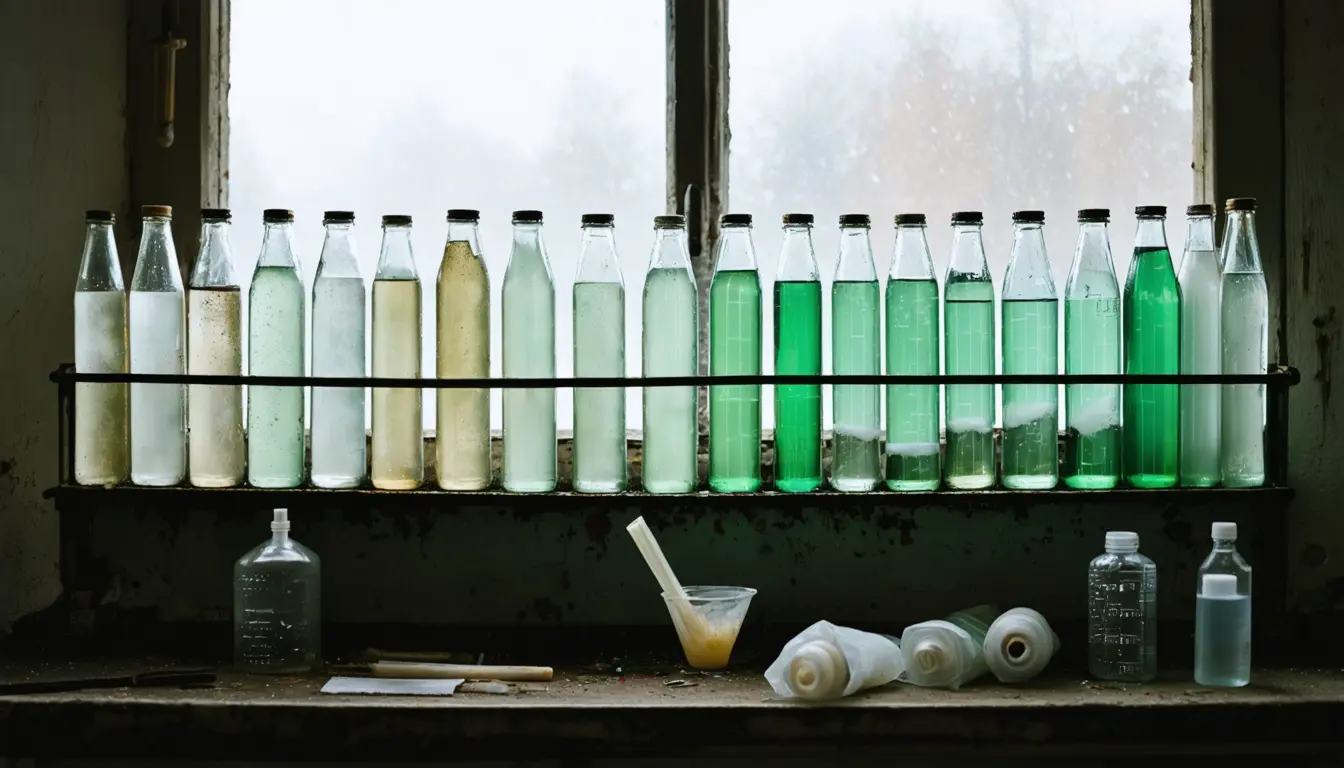
- Lake microeukaryotes are still counted one by one under a microscope with a 1958 method that is slow and depends on increasingly scarce expertise.
Compiled by The ScientistSomething wrong?How this is made
Why it matters
- capability A fixed species rule lets labs check new samples against one shared reference, so results from different lakes, seasons and studies can be compared directly.
- constraint With more than 95% of genomes lacking a known genus, a DNA match will usually identify a genetic cluster without saying what the organism is or whether it makes toxins.
- exposure Until sequence data can separate toxic strains from look-alikes, bloom warnings for drinking-water reservoirs rest on microscope work that cannot make that call either.
Conventional DNA surveys of water use a molecular bait that catches only the groups it was built for, so other organisms slip through [9]. This team dropped the bait. Lake water is filtered, everything caught on the filter is sequenced at once, and a machine-learning tool picks out the mitochondrial DNA [9][10]. Choosing mitochondria is the clever part of the design. Their genomes are small, so they can be reconstructed from a mixed sample. They also generally change faster over evolutionary time than nuclear DNA, so even close relatives carry clearly different versions [10].
Species in the atlas are defined by a cut-off: two mitochondrial genomes at least 98.1% identical count as one species [12]. The rule keeps identifications consistent across lakes, seasons and studies [12]. It also means the roughly 3,660 species, and the six- to 20-fold excess over the leading reference database, are counts of genetic clusters drawn with that line, and they would shift if the line moved [6][7][12].
Of those 3,660 species, about 750 matched no known group, close to one in five [16]. "This shows just how large the gaps in our knowledge still are," lead author Lucas Serra Moncadas said, according to phys.org [11].
For water managers the useful question is toxicity. "Under the microscope, a harmless alga and its toxic relative can look identical," said Adrian-Stefan Andrei, who heads the Microbial Evogenomics group at the University of Zurich's Limnological Station and was the study's principal investigator [3][15]. "Their DNA likely holds the key to telling them apart." The word "likely" is accurate. The report does not describe a test showing that a toxic strain and its harmless look-alike fall on opposite sides of the 98.1% line [12].
The Oder River shows what a missed bloom costs. In 2022 a toxic microalga bloomed there, on the German-Polish border, and killed around 360 tonnes of fish [13]. The researchers say DNA-based monitoring could allow faster responses to overheated or polluted water and catch cases like the Oder's early [18]. "For more than 60 years, we have seen only a fraction of the life in the lakes and reservoirs that provide drinking water to more than 180 million Europeans," Andrei said [19]. "Soon, a single bottle of lake water could reveal who lives in it, what's new and what's changing."
I think the atlas succeeds at its first task: supplying the genetic reference data that, until now, was largely missing [14]. Retiring the 1958 microscope count would take a second study [2]. It would need the same samples counted by eye, read by sequence and tested for toxins, with the agreement between methods reported.
What to watch
- A side-by-side trial that runs microscope counts, sequencing and toxin tests on the same reservoir samples and reports how often the methods agree.
- Whether a known toxin-producing alga and its harmless relative fall into separate species at the 98.1% mitochondrial threshold.
- How many of the roughly 750 unmatched species get assigned to known groups as the atlas's DNA pool grows.