Leadership1 publisher3 min readPublished
Peckham Rye's £45m step-free plan pays for heritage conditions and a wider station upgrade
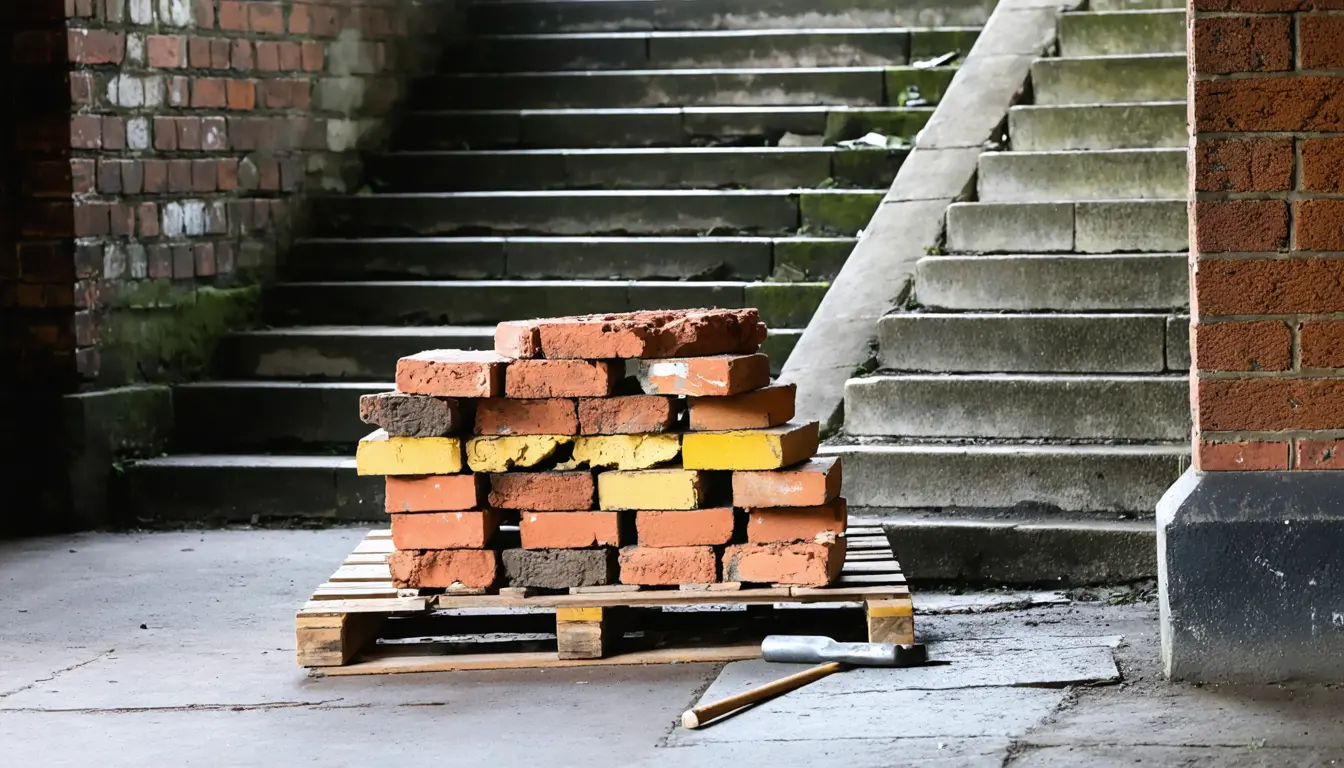
Peckham Rye's £45m step-free scheme requires demolishing an art gallery and hand-cutting listed brickwork, planning records reviewed by City AM show. Critics call it proof that rules inflate British infrastructure costs, though the records support that charge only in part.
The Board Room · Leadership desk
Drafted by a language model from the sources cited here and checked against its claim ledger before publication. How we use AISend a correction
What happened
- Network Rail's plan puts the lifts in a new three-storey building that also holds rooms for station staff and space for machinery.
- Planning conditions require a "high quality finish" using patterned bricks, which cost more than standard materials.
- Fire evacuation modelling during planning, run on Bentley Systems software, led to a requirement for new bridges and exit routes at the station.
- Southwark Council approved the scheme in late 2023, but the government withdrew its funding last year and the project has been on hold since.
- Energy secretary Miatta Fahnbulleh, whose constituency the station serves, launched a petition on Tuesday to secure the £45m.
Compiled by The Board RoomSomething wrong?How this is made
Why it matters
- contradiction Network Rail describes a station upgrade with a new entrance, toilets and better circulation, while campaigners judge it as a lift job, so the two sides are pricing different projects.
- decision The government's answer to the petition is a choice between the approved design at full price and a cheaper redesign that would have to go back through planning before work starts.
- cost If £45m is excessive, TfL's Stockwell estimate of up to £253m, about 5.6 times higher, puts the bigger cost problem elsewhere in London's step-free programme.
The cost drivers in the planning file fall into two groups, and only one of them supports the charge that planners set the price. Some requirements were imposed on Network Rail. The station is a Grade II-listed building completed in 1865, so builders must make manual cuts through its brick walls with handheld tools to preserve the original fabric [6]. The patterned-brick finish is a planning condition [7]. London's green space rules add a biodiversity roof with hundreds of square feet of greenery and solar panels [8].
Other items follow from the site and the design. The gallery comes down because the lifts have to reach a narrow platform [5]. The staff rooms [9] and the new bridges and exit routes [10] came out of the design and safety work. The documents City AM describes do not put a price on any single item, so the share of the £45m that regulation added is not known [1].
The critics have reached their verdict anyway. Lawrence Newport, who leads the campaign group Looking for Growth, said the bill was a "sad example of how the country is constantly held back by sky-high infrastructure costs" [13]. David Lawrence of the Centre for British Progress called it "scandalous" [19]. "The only people who benefit from this system are rent-seeking sectors, like consultants and lawyers employed to ensure compliance with complex regulations, and a handful of procurement providers," he said [14]. The paper trail is long. Network Rail's application involved hundreds of documents exchanged over nearly 18 months from early 2022 [4], and construction managers expect around 17,000 vehicle trips to finish the job [15].
In my view the file supports the critics on process more than on price. Network Rail says the design reflects real constraints. "The proposals have been carefully developed to deliver these benefits while meeting the requirements of a busy operational railway and protecting the station's Grade II listed heritage," a spokesperson said [12]. Transport for London's own figures complicate the scandal reading. TfL estimates put new step-free access at Kennington, Tooting Broadway and Colliers Wood at more than £100m [17], and its Stockwell estimate is higher still [16]. Those are different stations on the Northern line, so the comparison is rough. Of the London figures City AM cites, Peckham's is the lowest [22].
Fahnbulleh and her critics want the same lifts [2]. Newport's quarrel is with the price: "we should do it for much less than £45m," he said [20]. The heritage conditions belong to the design Southwark approved [3][7]. A cheaper station would mean taking a new design back through the process that produced the first file. Southwark Council and Fahnbulleh had been approached for comment, City AM reported [18].
What to watch
- Whether Network Rail or Southwark Council publish a cost breakdown that separates the heritage conditions and biodiversity roof from the new entrance and wider station works.
- The government's response to Fahnbulleh's petition, and whether any restored funding covers the approved design or comes with a demand to re-scope it.
- Comment from Southwark Council and Fahnbulleh, both of whom City AM approached.