Product2 publishers3 min readPublished
Minerva raises $10M to let bomb technicians work a humanoid's hands from the command post
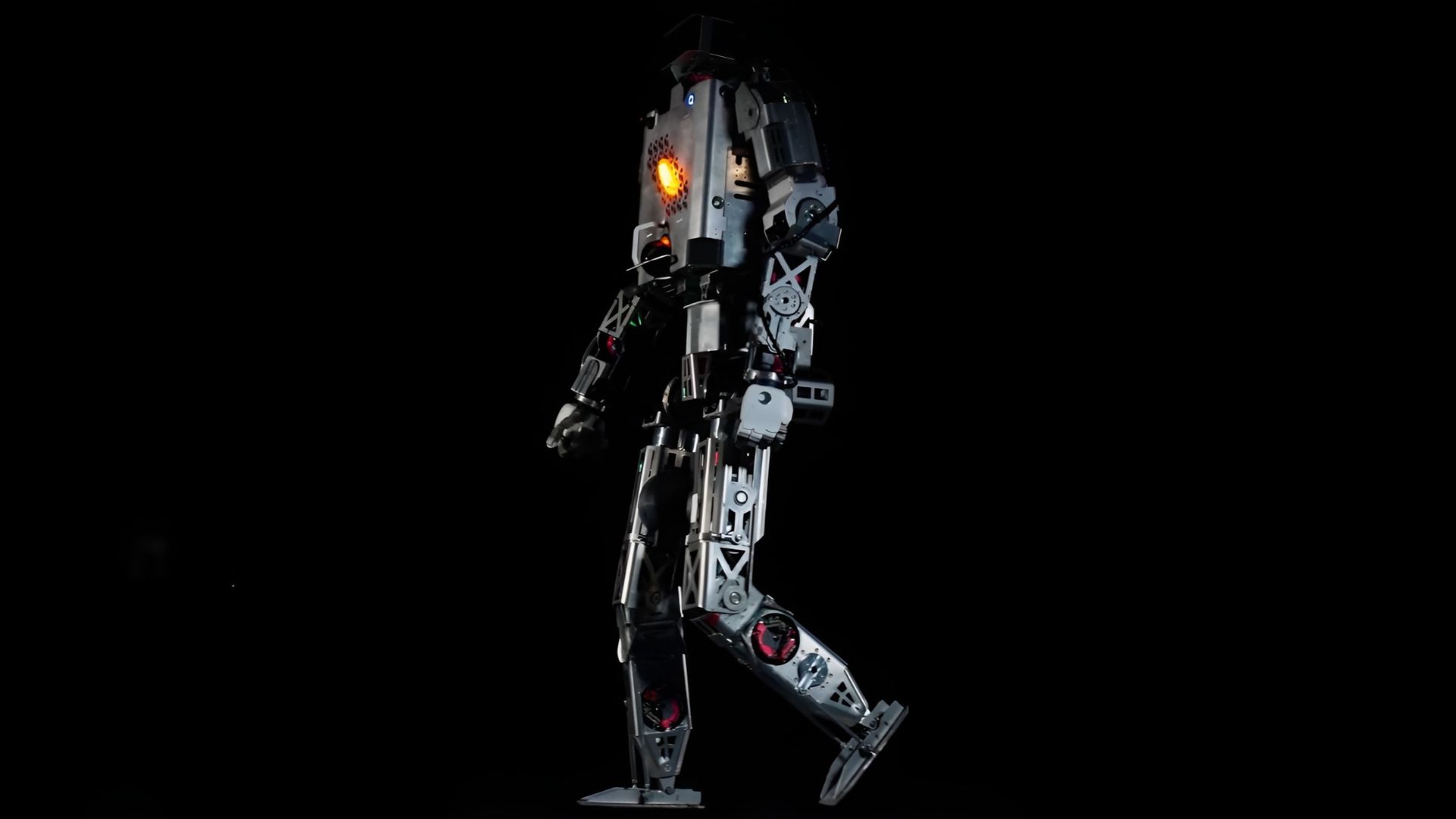
Minerva Humanoids raised about $10M for Roger, a humanoid that bomb-disposal and energy specialists steer through VR while software keeps it upright. Paid pilots this fall will show whether crews pay for remote hands before autonomy.
The Product Desk · Product desk
Drafted by a language model from the sources cited here and checked against its claim ledger before publication. How we use AISend a correction
What happened
- General Catalyst led the pre-seed round, with Long Journey Ventures and Credo Ventures as co-leads, as Minerva came out of stealth on Tuesday.
- Roger is aimed at explosive ordnance disposal, hazardous material response, offshore oil and gas work and high-voltage energy sites.
- Before launch, Minerva demonstrated Roger at NATO's explosive ordnance disposal centre in Slovakia and finished on-site public safety testing at a major airport.
- The San Francisco company says it took Roger from concept to a walking prototype in five months, including designing, manufacturing and assembling the hardware.
Compiled by The Product DeskSomething wrong?How this is made
Why it matters
- decision A unit weighing a pilot is buying a tool its own trained specialists drive, so the call at the device stays with people it already employs.
- cost One trained specialist sits on the headset for every minute Roger works, so the robot adds equipment to an EOD or energy team without taking a role off the roster.
- capability Buyers wary of single-source Chinese parts get a humanoid planned for production in Germany and the US, while China builds almost every humanoid shipped today.
The moment Minerva is building for comes after the robot gives up. "Every EOD operator knows the long walk. When the robot can't complete the task and the operator has to put the EOD suit on and approach the device alone," said Dominic Asquith, a British Special Forces veteran who heads hazardous operations at the company [7]. He was specific about the cause. "The tracked, single-arm systems we've relied on for decades send a lot of people on that walk because the task needs two hands and real dexterity," he said [8].
Here's what users actually do: a tracked robot with one arm handles many disposal jobs remotely, and when the task needs two hands or more dexterity, a technician still walks up to the device [6]. Minerva's pitch is a humanoid, but the job it sells is narrower: two hands on the device while the person stays back, or in Asquith's words, "the operator's judgement and hands are on the device while their body stays in the safety of the command post" [9]. Sandor Felber, the chief executive, said: "We didn't set out to replace the people doing them." [10]
The control split is the part a buyer can test. The specialist drives the robot through its cameras, including two-handed tasks [2]. Minerva Intelligence, the in-house software, handles navigation and fall recovery along with balance, the functions an operator would struggle to control continuously [3]. Minerva says operators learn full-body control within minutes [11]. The minutes figure is the product's time-to-value claim, and so far only the company has made it.
Minerva has not disclosed Roger's payload, battery life, operating speed or manipulation accuracy [18]. A bomb team needs the accuracy figure before it lets the robot's hands near a device. An offshore crew needs battery life before it plans a shift around one.
Minerva estimates that about 7,000 energy workers die on the job each year, a figure it built by applying the International Labour Organization's global fatal-accident rate to the International Energy Agency's count of 76 million energy workers [19]. The implied rate is roughly 9 deaths per 100,000 workers a year [20]. The estimate sizes a workforce. A buyer deciding on a pilot needs a smaller count: the jobs where the current robot stalled and a person went in.
Each job sits on two axes: whether it needs two hands, and whether it needs a trained person's judgement at the device. Two hands with judgement is Roger's pitch exactly, and a pilot there should be scored on long walks avoided. One hand with judgement is work a tracked single-arm robot already covers, so Roger has to beat a tool the unit owns [6]. Two hands on routine work puts a specialist on a headset for a task that may not need one. Autonomy would pay off there, and Minerva has designed Roger to keep trained specialists in control [16]. One hand on routine work is not a humanoid job.
I'd pilot Roger only in the first box. The tradeoff is that no specialist hours are saved; the gain is counted in approaches a person did not have to make. The forcing number is last year's long walks, taken from the unit's own incident records. If that count is near zero, the tracked robot is already doing the unit's work.
What to watch
- Which buyers sign the first paid pilots, and whether they come from bomb disposal, energy operators or the airports where Minerva is exploring deployments.
- Whether the University of Waterloo and MBZUAI work on perception in smoke, darkness and sensor failures reaches field units before the energy deployments Minerva plans for later this year.