SecurityNot yet confirmed elsewhere1 publisher2 min readPublished
Meta ships Muse Wonder agent models before its full safety report is out
Meta has released Muse Wonder and Muse Wonder Full, two agent models, ahead of the full safety report it says will arrive soon. Teams pointing the agents at messages, calendars or documents are working from Meta's own account of how they behave.
The Watch · Security desk
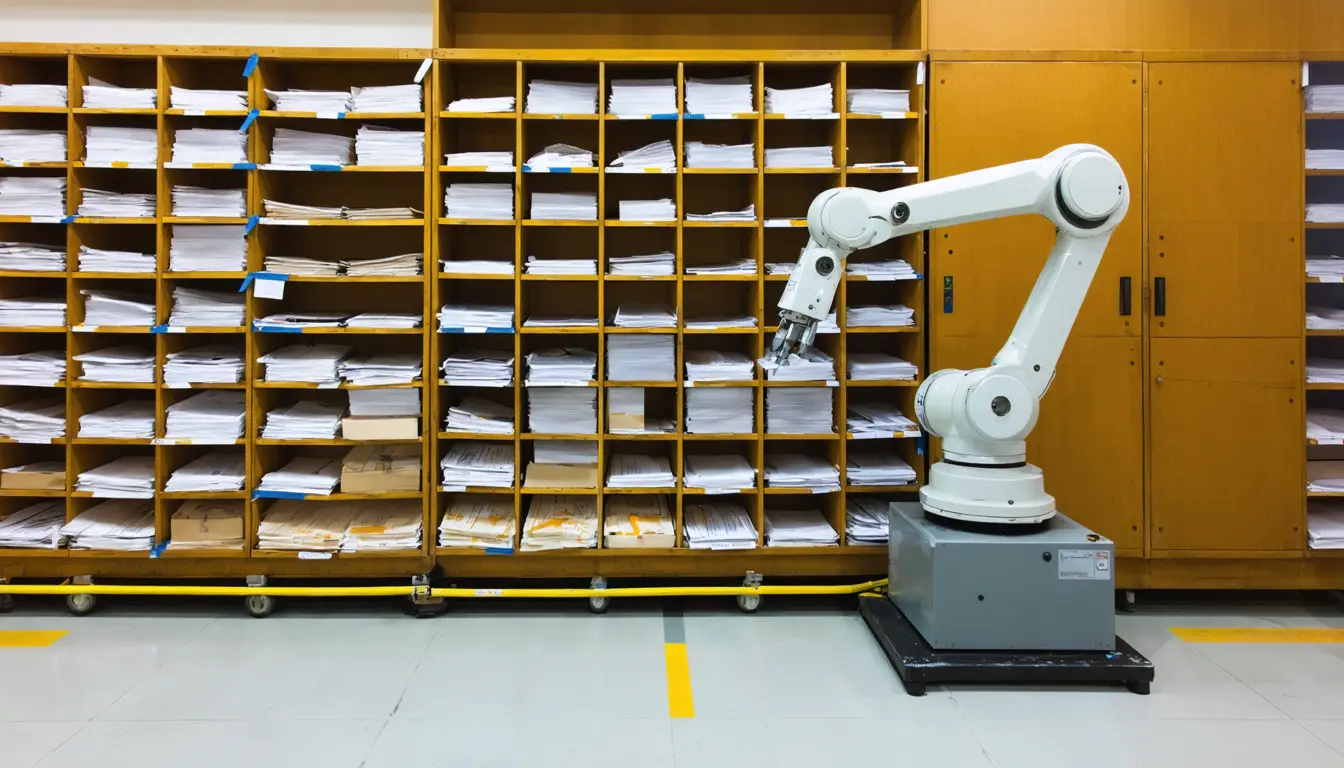
Muse Wonder is available via the Meta Model API and Muse Code; Muse Wonder Full to Muse Code subscribers. Meta plans to bring Muse Wonder to Muse subscribers. Agents may handle messages, calendars and private documents. Meta recommends human confirmation before irreversible actions.
- capability API and Muse Code users Muse Wonder is available through the Meta Model API and Muse Code, claim 11
- capability Muse Code subscribers Muse Wonder Full is available to Muse Code subscribers, claim 11
- exposure Muse subscribers (planned) Meta plans to bring Muse Wonder to Muse, beginning with subscribers, claim 12
- exposure Users of the agents Agents acting on a user's behalf may handle messages, calendars and private documents, claim 1
- decision Meta Recommends human confirmation before irreversible actions, claim 9
| Who | How | Kind | Claim |
|---|---|---|---|
| API and Muse Code users | Muse Wonder is available through the Meta Model API and Muse Code | capability | 11 |
| Muse Code subscribers | Muse Wonder Full is available to Muse Code subscribers | capability | 11 |
| Muse subscribers (planned) | Meta plans to bring Muse Wonder to Muse, beginning with subscribers | exposure | 12 |
| Users of the agents | Agents acting on a user's behalf may handle messages, calendars and private documents | exposure | 1 |
| Meta | Recommends human confirmation before irreversible actions | decision | 9 |
What happened
- The company lists its own known limits: inaccurate or biased responses, errors in multi-step reasoning and weak spatial understanding.
- Human confirmation before irreversible actions is Meta's recommendation for anyone deploying the models.
- Muse Wonder is available through the Meta Model API and Muse Code, and Muse Wonder Full is limited to Muse Code subscribers.
Why it matters
- constraint Meta says performance can vary by language and deployment setup, so a team cannot assume its own configuration will match the behavior Meta describes.
- exposure Meta plans to bring Muse Wonder into its own Muse product, starting with subscribers, so the same privacy behavior will be exercised there as well as in third-party builds.
- decision Teams choose between holding private data back until the full report lands and piloting now on low-sensitivity data.
Meta describes its privacy control as something it trained in. The company says the models were trained not to share private information unless permitted, and to turn down requests that would help with harmful acts [2]. Meta is aiming them at agents that may handle messages, calendars and private documents [1]. We think a trained behavior is something to test in your own deployment before anyone treats it as a boundary.
The model card is public and the full report is not [4][3]. Meta's statement on timing is one sentence long. "Muse Wonder is our most aligned model to date, and alignment is central to how we build personal superintelligence. A full report with additional safety evaluations will be available soon," Meta said [3]. "Soon" is the only date on offer.
In the model card, Meta evaluates cybersecurity risk, chemical and biological misuse, and whether humans could lose control of AI systems [4]. Without safeguards, Meta could not rule out the high-risk threshold for chemical and biological misuse [5]. With protections in place, it assessed remaining risk as moderate or lower across those areas [6]. We think that finding changes little for a team building an inbox or calendar agent, whose daily exposure is the privacy behavior. The Help Net Security summary does not say how that behavior was measured or whether the safeguards behind the moderate-or-lower ratings apply to API use.
Meta's own guidance names the one control a team can enforce. The company recommends human confirmation before irreversible actions [9], and says the models are designed to check with users before taking important actions [10]. A confirmation step built into the application works whether or not the model chooses to ask.
The capability claims are Meta's reporting too: leading results across benchmarks for personal and professional agents, memory and coding [14].
What to watch
- Publication of the full safety report: whether it includes results for the private-data behavior and how those were measured.
- Whether Meta states that the safeguards behind its moderate-or-lower ratings apply to Meta Model API and Muse Code deployments.
- The Muse rollout of Muse Wonder to subscribers, which would put the same behavior in Meta's own product.
Clarity's read
What the record supports and how the coverage leans. The claims behind it follow.
Reality
- Evidence30
- Adoption
- Insufficient
- Hype gap+25
- Incentives
- Insufficient
- Confidence55
Claim ledger
Ranked by verification strength, evidence, and original report placement.
- [1]
Agents acting on a user's behalf may handle messages, calendars and private documents.
- [2]
Meta trained the models to avoid sharing private information without permission and to refuse requests that assist harmful acts.
- [3]
"Muse Wonder is our most aligned model to date, and alignment is central to how we build personal superintelligence. A full report with additional safety evaluations will be available soon," Meta said.
- [4]
The model card assesses cybersecurity, chemical and biological misuse, and the risk of humans losing control of AI systems.
- [5]
Meta could not rule out the high-risk threshold for chemical and biological misuse without safeguards.
- [6]
With protections in place, Meta assessed remaining risk as moderate or lower across cybersecurity, chemical and biological misuse, and loss of control.
- [7]
Meta acknowledges inaccurate or biased responses, errors in multi-step reasoning and weaknesses in spatial understanding.
- [8]
Performance can vary by language and deployment setup.
- [9]
Meta recommends human confirmation before irreversible actions.
- [10]
The models are designed to ask for clarification and check with users before taking important actions.
- [11]
Muse Wonder is available through the Meta Model API and Muse Code. Muse Wonder Full is available to Muse Code subscribers.
- [12]
Meta plans to bring Muse Wonder to Muse, beginning with subscribers.
- [13]
Meta's Muse Wonder and Muse Wonder Full models are built for AI agents that handle tasks such as preparing insurance claims, reviewing leases and developing software.
- [14]
Meta reports leading results across benchmarks for personal and professional agents, memory and coding.
Sources
1 independent publisher whose own reporting we read for this story.
- helpnetsecurity.comMeta outlines Muse Wonder safeguards for AI agents acting on your behalf
1 article · October 13, 2026
Topics and entities
Follow any of these and your For You feed starts watching them — no settings page required.