LeadershipNot yet confirmed elsewhere1 publisher2 min readPublished
M&S and John Lewis bosses press Healey to ease retail's tax burden before the Budget
M&S and John Lewis bosses are pressing Chancellor John Healey to cut retail's tax burden, with the Budget less than three weeks away. Most of what they want is protection from new charges, so their campaign is a fight to stop retail bills rising further.
The Board Room · Leadership desk
Bar comparison of John Lewis and Waitrose sites a higher business rates charge would apply to: over 200 stores against 18 distribution centres, according to chairman Jason Tarry.
John Lewis and Waitrose sites the higher charge applies to, per Jason Tarry In sites
| Item | Value | Claim |
|---|---|---|
| Stores (over 200) | 200 sites | 9 |
| Distribution centres | 18 sites | 9 |
What happened
- M&S chief executive Stuart Machin asked Healey to overturn recycling rules he called 'patently ridiculous', keep workers' rights reforms from banning the Saturday job, and seek an EU food deal.
- Retailers fear pub business rates cuts will be paid for with higher bills on warehouses, a move they say would push up their costs and shop prices.
- The British Retail Consortium calculates that retailers pay 72p in tax for every pound they make, second only to hospitality among sectors.
Why it matters
- constraint Because Machin has ruled out asking for the fiscal rules to bend, the retail case is confined to blocking or unwinding particular costs, with little room to press for a lower overall burden.
- exposure If a higher charge pays for pub relief, John Lewis's own count puts most of its exposure in stores, so chains with large shop estates would pay along with logistics operators.
- precedent Funding pub rate cuts by raising bills on other premises would turn business rates into a transfer between sectors, and the retail lobby is trying to block that before the Budget fixes it.
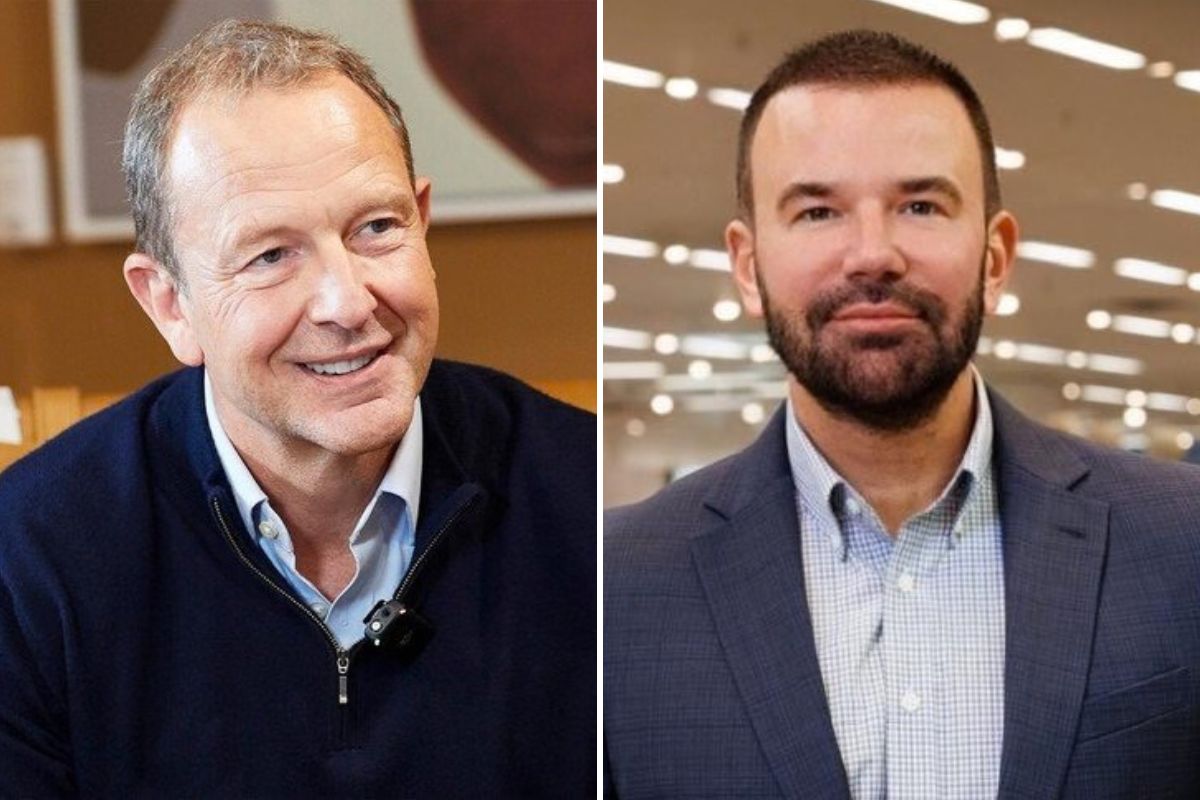
Stuart Machin's language is harsher than his request. Writing in the Daily Mail, he said of Labour's last two budgets: "They were a disaster. Britain needed a plan for growth and got a pile of new taxes and regulations instead. I know money is tight." [3] He then set the limit himself. "I'm not asking the chancellor to rip up his fiscal rules, but at the very least, he should start unravelling the mistakes of the last two budgets," he wrote [4]. The list that follows is about regulation and trade policy [5].
The rates fight starts with pubs. Andy Burnham, the Prime Minister, has aimed his pledge to revive high streets at tax breaks for pubs and curbs on gambling shops [6]. Jason Tarry objects to how that relief might be paid for. Writing in the Telegraph, the John Lewis and Waitrose chairman said a "warehouse tax" would "reveal a fundamental misunderstanding of how modern high streets work" [8]. He said it would hit "a far greater number of high street shops than warehouses" [13]. On his figures, the higher charge covers more than 11 of the group's stores for every distribution centre [14].
The fair objection is that the industry's figures come from the industry. Tesco chief executive Ken Murphy said retailers pay, on average, "four times their fair share of rates" [11]. The British Retail Consortium's tax-per-pound figure is its own analysis [12]. Tarry's count is a different kind of number. It is a tally of his own estate, and it bears directly on where the higher charge would land [9].
We think the evidence supports a narrower conclusion than the bosses' wording. They are bargaining to stop retail costs rising, and Machin's concession on the fiscal rules suggests M&S, at least, does not expect the overall burden to fall [4]. On the record so far, the warehouse tax is an industry fear that Burnham could pay for pub relief this way, and we do not know yet whether the government is weighing it [7].
For a retailer setting next year's budget this quarter, that argues for planning on current rates bills. Any rise in the higher charge should be modelled as a cost on stores as well as depots [14]. Among the rates requests in the record, Murphy's is the one aimed at cutting a bill. He has asked that retailers be exempted from the highest business rates multiplier [10].
What to watch
- Whether the Budget pays for pub business rates relief by raising bills on warehouses or other large properties.
- Whether Healey grants Tesco's request to exempt retailers from the highest business rates multiplier.
- How the workers' rights rules treat weekend and part-time work, given Machin's warning about the Saturday job.
Clarity's read
What the record supports and how the coverage leans. The claims behind it follow.
Reality
- Evidence45
- Adoption
- Insufficient
- Hype gap+20
- Incentives85
- Confidence55
Claim ledger
Ranked by verification strength, evidence, and original report placement.
- [1]
The bosses of Marks & Spencer and John Lewis have piled further pressure on the government to slash the 'ridiculous' tax burden facing high street firms; M&S chief executive Stuart Machin called on Chancellor John Healey to 'restore hope' in retail and called Labour's last two budgets a 'disaster'.
- [2]
The intervention comes less than three weeks before the Budget.
- [3]
"I've never hidden what I thought of the last two budgets. They were a disaster. Britain needed a plan for growth and got a pile of new taxes and regulations instead. I know money is tight."
ReportedSupportedSource: Stuart Machin, M&S chief executive, writing in the Daily Mail, as reported by City AMView cited source - [4]
"I'm not asking the chancellor to rip up his fiscal rules, but at the very least, he should start unravelling the mistakes of the last two budgets."
ReportedSupportedSource: Stuart Machin, writing in the Daily Mail, as reported by City AMView cited source - [5]
Machin called on Healey to overturn 'patently ridiculous' recycling rules, ensure Labour's workers' rights crackdown doesn't 'ban the Saturday job' and secure a 'common sense' food trade deal with the European Union.
- [6]
Prime Minister Andy Burnham has pledged to rejuvenate high streets and has focused these efforts on tax breaks for pubs and crackdowns on gambling shops.
- [7]
Concern is mounting in the industry that Burnham could fund business rates cuts for pubs by hiking the bills paid by warehouses, which retail bosses say would send their costs spiralling and push up prices for shoppers.
- [8]
A so-called 'warehouse tax' would "reveal a fundamental misunderstanding of how modern high streets work".
ReportedSupportedSource: Jason Tarry, chairman of John Lewis and Waitrose, writing in The Telegraph, as reported by City AMView cited source - [9]
"In our case, the higher charge applies to just 18 distribution centres, but over 200 John Lewis and Waitrose stores."
- [10]
Tesco's chief executive urged Healey not to impose the 'warehouse tax' and has told the government to exempt retailers from the highest business rates multiplier.
- [11]
"We have long argued that the rate system is fundamentally unfair, that retailers pay - on average - four times their fair share of rates."
- [12]
Retailers pay 72p in tax for every pound they make, according to the British Retail Consortium's analysis, making retail the second-highest taxpaying sector behind hospitality.
ReportedSupportedSource: British Retail Consortium analysis, as reported by City AMView cited source - [13]
The tax would hit "a far greater number of high street shops than warehouses."
- [14]
By Tarry's figures, the higher charge applies to more than 11 John Lewis and Waitrose stores for every distribution centre.
Sources
1 independent publisher whose own reporting we read for this story.
- cityam.comRetail bosses ramp up pressure on Healey to cut ‘ridiculous’ tax burden
1 article · October 11, 2026
Topics and entities
Follow any of these and your For You feed starts watching them — no settings page required.
Entities
- Marks & SpencerFollow
- John Lewis PartnershipFollow
- WaitroseFollow
- Tesco PLCFollow
- British Retail ConsortiumFollow
- Stuart MachinFollow
- Jason TarryFollow
- Ken MurphyFollow
- John HealeyFollow
- Andy BurnhamFollow