LeadershipNot yet confirmed elsewhere1 publisher3 min readPublished
Luke Scott fears AI-made adverts will cost Britain a generation of directors trained on commercials
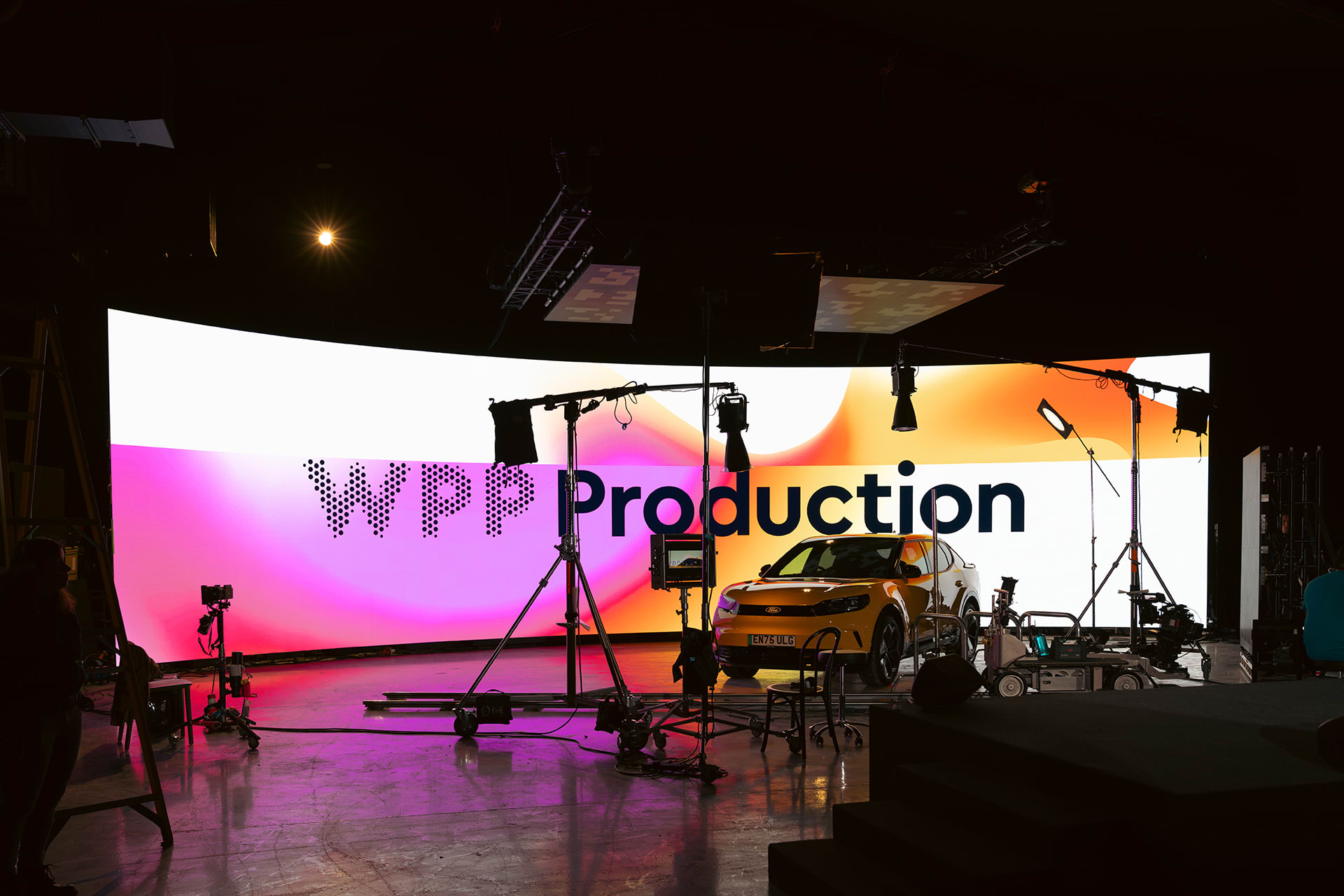
Luke Scott fears Britain will lose a generation of directors as agencies such as WPP, with its £600m production arm, race to make ads with AI. The savings land in client budgets this year, while any shortage of trained directors would reach film and television years later.
The Board Room · Leadership desk
What happened
- WPP chief executive Cindy Rose said the group no longer needs to spend clients' budgets on expensive shoots abroad because the work can be done in a studio.
- Top Gun's producers chose Tony Scott to direct after seeing his TV advert of a Saab racing a fighter jet, one example of advertising supplying Hollywood with directors.
- Richard Glasson, who runs WPP Production, said the industry has always adopted new technology and that AI is no different.
Compiled by The Board RoomSomething wrong?How this is made
Why it matters
- cost Clients capture the saving now. If the pool of trained directors thins, the cost falls later on film and TV producers who have hired from advertising and never paid for that training.
- constraint Moving shoots from foreign locations into a studio cuts the hands-on work Luke Scott says the craft is learned through, so fewer newcomers get that practice.
- precedent WPP plans more sites on the east London model, so studio-made ads will be offered to clients outside Britain as the rollout proceeds.
Advertising's AI push sets a saving clients can book this year against a training route whose loss would show only after a decade or more. The incentive sits with the client. According to one industry source quoted by the Guardian, some clients are taking up AI-led ads to "show finance directors they are making savings" [15]. The benefit of the old arrangement went to someone else. Top Gun's producers, Don Simpson and Jerry Bruckheimer, picked Tony Scott to direct after seeing a TV ad in which he showed a Saab racing a fighter jet [13]. Guy Ritchie started out in music videos and commercials, and Paddington in Peru director Dougal Wilson made John Lewis Christmas ads [5].
In my view, British film and television have for decades had directors trained on advertising budgets. Ridley Scott told a Bafta audience that commercials had been his "film school" [4]. The cost WPP is now targeting is the work that did the training. Cindy Rose, WPP's chief executive, said the group no longer needs to spend clients' budgets on expensive shoots abroad because the work can be done in the studio, and that this would completely change the economics of its content supply chain [12]. Luke Scott, who runs the group that includes Ridley Scott Associates, described what a shoot teaches. "The creative business is something you learn by doing. It is in the doing that is most valuable," he said [7][8].
WPP's answer is volume. "All clients need a vastly greater amount of content," said Richard Glasson, chief executive of WPP Production, who argued that the industry has always adopted new technology and AI is no different [1][2]. A skeptic of the lost-generation case would take him at his word: more content should mean more work for people starting out. The difficulty is the kind of work. The same industry source said AI-led output often looks "cookie cutter" and suffers a creative "erosion from the diminished role of a director" [14]. Glasson's own pitch describes a job unlike a location shoot. "We can place a brand anywhere in the world in a single afternoon," he said [3].
So far the evidence for a lost generation is testimony. The Guardian ties the race to two motives, cutting client costs and avoiding being pushed aside by big tech [6]. Its report rests on Luke Scott's fears, an unnamed source's estimate that some ads cost up to 60% less to make, and WPP's own statements [7][15]. It does not include figures on lost commissions or on how many early-career directors are getting less work. The link between cheaper ads and fewer trained directors is an inference from how the Scotts and Ritchie came up [4][5][13].
Sequencing is where the decision sits for anyone signing off production budgets. WPP's east London facility, opened last month in a converted warehouse, is the first site in an international rollout of a £600m business [10]. Rose has called the period a "golden age of marketing" [11]. A client that moves a shoot into that studio this quarter takes one location commission out of the pool from which producers have hired directors, as Simpson and Bruckheimer did [13]. Luke Scott described the risk as sameness. "The grave danger is the monoculturalisation of everything," he said [9].
What to watch
- Whether WPP Production opens further sites in its international rollout, and whether rival agency groups build similar AI studios.
- Any figures from production companies or industry bodies on commissions going to early-career commercial directors.
- Whether clients that switched to AI-led ads for savings go back to director-led shoots if the "cookie cutter" output underperforms.
Clarity's read
What the record supports and how the coverage leans. The claims behind it follow.
Reality
- Evidence35
- Adoption25
- Hype gap+40
- Incentives70
- Confidence40
Claim ledger
Ranked by verification strength, evidence, and original report placement.
- [1]
Richard Glasson, chief executive of WPP Production, said new technologies have always been embraced by the industry and the use of AI is no different: "It is the future of where content is going, an AI production powerhouse for the future."
ReportedSupportedSource: Richard Glasson, quoted by The Guardian2 sources— create a free account to open themView cited source - [2]
"All clients need a vastly greater amount of content."
ReportedSupportedSource: Richard Glasson, quoted by The Guardian2 sources— create a free account to open themView cited source - [3]
"We can place a brand anywhere in the world in a single afternoon."
ReportedSupportedSource: Richard Glasson, quoted by The Guardian2 sources— create a free account to open themView cited source - [4]
When Ridley Scott received the UK's highest accolade at a Bafta event eight years ago, he said making commercials had been his "film school".
- [5]
The advertising industry has long been a breeding ground for British film and TV talent, including Guy Ritchie, who started out making music videos and commercials, and Paddington in Peru director Dougal Wilson, whose credits include John Lewis Christmas ads.
- [6]
The race to introduce AI across the advertising industry, to cut client costs and avoid being pushed aside by big tech, has raised fears of a lost generation who may be denied the chance to develop into British film and TV directors.
- [7]
Luke Scott, who runs the group that includes Ridley Scott Associates, the production company co-founded by his father in the 1960s, said: "100%, yes, I have fears."
- [8]
"The creative business is something you learn by doing. It is in the doing that is most valuable."
- [9]
"The grave danger is the monoculturalisation of everything."
- [10]
Last month WPP officially opened its flagship production facility in a converted warehouse in east London, the first in an international rollout of its £600m WPP Production business.
- [11]
Cindy Rose, a former Microsoft executive appointed WPP's CEO, said AI is ushering in a "golden age of marketing".
- [12]
"We no longer need to spend our clients' budgets on expensive shoots abroad. We can do it in the studio [and] completely change the economics of our content supply chain."
- [13]
Top Gun producers Don Simpson and Jerry Bruckheimer chose Tony Scott as director after seeing a TV ad in which he depicted a Saab car racing a fighter jet.
- [14]
The same industry source said AI-led output often looks "cookie cutter" and suffers a creative "erosion from the diminished role of a director".
ReportedContestedSource: Unnamed industry source, quoted by The Guardian2 sources— create a free account to open themView cited source - [15]
One industry source said some ads can be made up to 60% cheaper, which has some clients embracing AI-led ads to "show finance directors they are making savings".
Sources
1 independent publisher whose own reporting we read for this story.
- theguardian.comLost generation: the AI threat to Britain’s next great directors
1 article · October 9, 2026
Topics and entities
Follow any of these and your For You feed starts watching them — no settings page required.