Product2 publishers2 min readPublished
Trading in an iPhone 18 Pro Max now starts with draining the battery below 20 Wh
Apple's firmware holds the new Pro Max under the 20 Wh single-cell threshold until a buyer activates it, and a Prepare to Ship option in Settings puts the phone back under the limit before a repair, return or trade-in.
The Product Desk · Product desk
What happened
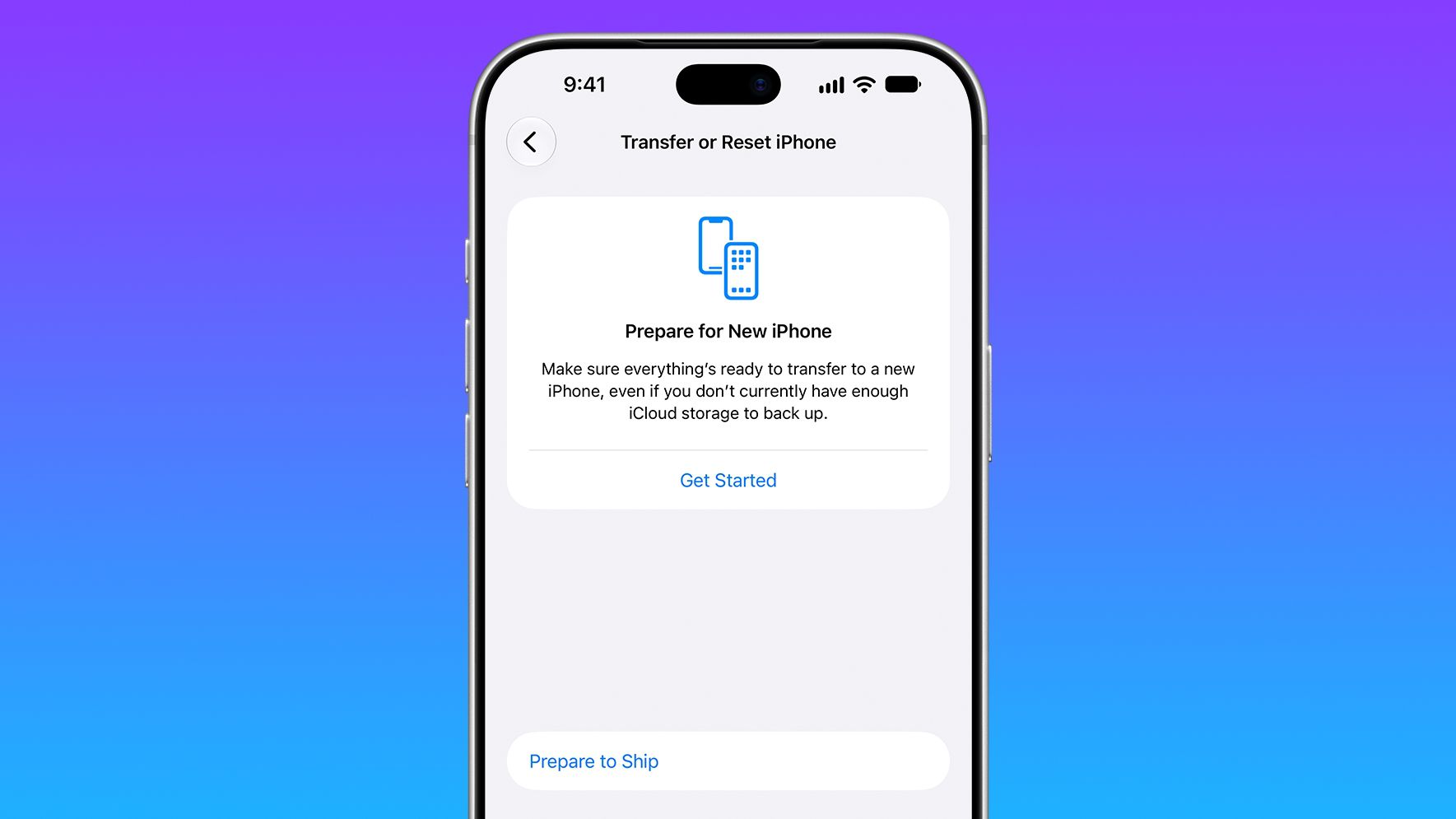
- Shipping the phone for repair, trade-in, return, sale or as a gift now requires a new Prepare to Ship option under Settings, General, Transfer or Reset iPhone.
- Prepare to Ship discharges the battery below 20 Wh and sets a charge limit to hold it there, and Apple says the handset may become warmer than usual while it drains.
- MacRumors reports the preparation can be undone from the same Settings screen, though depending on the reason the user picked there may be a 14-day wait before it can be disabled.
Compiled by The Product DeskSomething wrong?How this is made
Why it matters
- constraint The compliance step runs on the owner's phone. A repair or trade-in pipeline now depends on work that cannot be done once the box is sealed.
- decision Intake scripts and trade-in instructions have to spell out the order of operations, because Apple's own guidance says an erased phone cannot be used while it drains.
- exposure A customer who prepares a phone to ship and then keeps it may sit on a capped battery for two weeks before the undo becomes available.
A trade-in usually runs in one order: wipe the phone, then put it in the prepaid envelope. On an iPhone 18 Pro Max, that order breaks. Apple's support document, quoted by 9to5Mac, says "If you erase your iPhone, you won't be able to use it while the battery discharges" [9], and the same document puts the drain at "only a few minutes" in the best case but "up to a couple of hours" if you start from a full charge [8]. Discharge first. Erase second [17].
The threshold behind all of this is 20 Wh. Apple says the Pro Max battery is over that [1], and that most countries and regions have additional shipping requirements for products "with a single-cell battery over 20 Wh," per 9to5Mac's account of the document [2]. The company's answer is software: an "innovative battery-firmware solution" that holds capacity below 20 Wh from manufacture through transport out of the factory, with the cap lifted when the buyer activates the phone [3]. The unit sitting in a shipping carton is a sub-20 Wh device by firmware, and becomes a full-capacity one on activation [3].
Nobody at an intake desk can measure watt-hours, and they do not have to. When the process finishes, Settings shows "Ready to Ship" with a red badge [11]. A customer can photograph that screen and a receiving clerk can check it. MacRumors notes that sealed, unactivated stock needs nothing, because it is already limited to under 20 Wh [13]. Apple says the phone is safe for shipping and air travel, and that the limit is there to meet shipping requirements [14].
Two questions sort the return flows for anyone who runs one. Can the device still reach Settings, and who is holding it when the label goes on. Customer-held and working is routine: send the instructions with the label [7]. Depot-held and working is fine too, as long as staff run the step before packing. The hard box is a device in a customer's hands that cannot be used, either because it was erased first or because it will not boot; neither report describes what Apple advises there. The scope is at least narrow. MacRumors says no other iPhone has a single-cell battery over 20 Wh, so the procedure applies to this model alone [15].
What to watch
- Whether carrier and third-party trade-in programs add a "Ready to Ship" check to their intake steps or start rejecting unprepared units on arrival.
- Whether Apple publishes guidance for an iPhone 18 Pro Max that cannot reach Settings, since Prepare to Ship runs inside the Settings app.
- Which reasons for shipping trigger the 14-day wait MacRumors describes before the preparation can be undone.