Science1 publisherNot yet confirmed elsewhere3 min readPublished
Stanford says blood immune cells enter the aging brain and become microglia
A Nature paper reported by Stanford puts the trafficking as early as middle age. The release offers no counts, no rates and no causal claim.
The Scientist · Science desk
Drafted by a language model from the sources cited here and checked against its claim ledger before publication. How we use AISend a correction
What happened
- ScienceDaily published a release headlined "Immune cells flood into the aging brain, Stanford scientists discover" dated August 14, 2026, sourced to Stanford University.
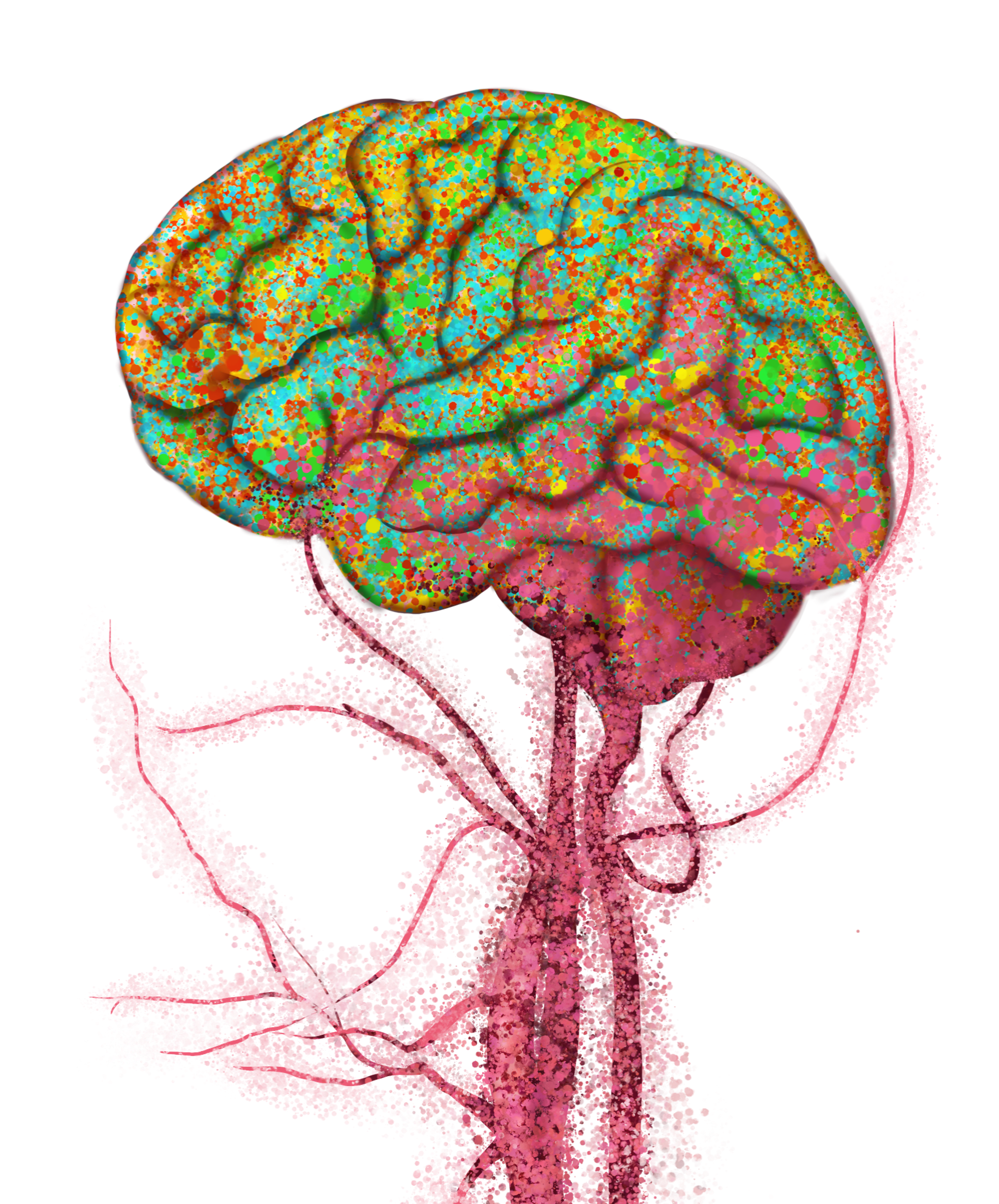
- Stanford researchers found that large numbers of immune cells from the blood begin entering the brain as early as middle age, where they can transform into microglia, the brain's specialized immune cells.
- The finding overturns a long-standing assumption that the brain's immune cells remain largely separate from the body's immune system throughout life.
- The work was published recently in the journal Nature and was supported in part by the Knight Initiative for Brain Resilience at the Wu Tsai Neurosciences Institute.
- Julia Belk said: "We usually think of the brain as a closed system. What we found is that actually a lot of immune cells enter the human brain during aging."
Compiled by The ScientistSomething wrong?How this is made
Why it matters
Stanford researchers reported in Nature that large numbers of immune cells from the blood begin entering the human brain as early as middle age, and that once inside they can turn into microglia, the brain's own immune cells [1][5]. If that holds up, the brain's immune compartment is not the sealed, self-renewing system that most neurodegeneration programs have been built around, and part of the target set sits outside the skull [4][9].
The model being displaced is specific. Microglia were thought to be established at birth and to sustain themselves for life without contribution from outside, with the blood-brain barrier restricting the entry of many cells and substances into brain tissue [9][13]. "Unlike most immune cells, which are continuously replenished by blood stem cells from the bone marrow, immune cells in the brain were presumed to renew themselves throughout the lifespan without contribution from outside the brain," said Siddhartha Jaiswal, an associate professor of pathology at Stanford Medicine and a senior author [7][8]. First author Julia Belk, a postdoctoral scholar in pathology, put the result plainly: "We usually think of the brain as a closed system. What we found is that actually a lot of immune cells enter the human brain during aging" [2][6].
The route to the finding matters for how much weight to put on it. In earlier work the group examined genetic data from thousands of people, some followed for decades, and found that carriers of certain immune cell clones produced by mutated blood stem cells were much less likely to develop Alzheimer's [10]. They then found evidence that some of those mutant cells could get into the brain [11]. Those mutations are associated with clonal hematopoiesis of indeterminate potential, present in only a minority of people [12], which prompted the broader question of whether ordinary blood immune cells do the same thing in everyone with age. The idea was described as controversial when Jaiswal and colleagues sought funding for it from the Knight Initiative for Brain Resilience in 2022; the work was published with support in part from that initiative, with Howard Chang as co-senior author [14][15][5].
Two consequences follow. If trafficking is a routine feature of aging rather than a quirk of clonal hematopoiesis, the exposed population is not a genetic subset but everyone past middle age [16]. And the direction of effect is not the one a peripheral-inflammation story would predict: the only human outcome association in this lineage of work links a class of blood-derived immune clones to lower Alzheimer's risk, so a program built on blocking entry would be betting against its own founding signal [17].
What the release does not contain is most of what would let anyone size a program: no cell counts, no share of microglia that are blood-derived at any age, no mechanism of entry, and no functional comparison with resident microglia [18]. Stanford's own framing is that the work may eventually create new possibilities for treating neurological diseases [19].
Watch the paper itself for the quantitative version of the claim, and for whether the recruited cells are transcriptionally distinct from resident microglia. Watch for replication in independent postmortem cohorts. And watch whether anyone holding clonal hematopoiesis outcome data tests the direction of effect before a trafficking-blockade candidate gets a budget line.