Invest2 publishers3 min readPublished
KKR-owned Hans Anders pulls Meta's camera glasses in the two countries where it sold them
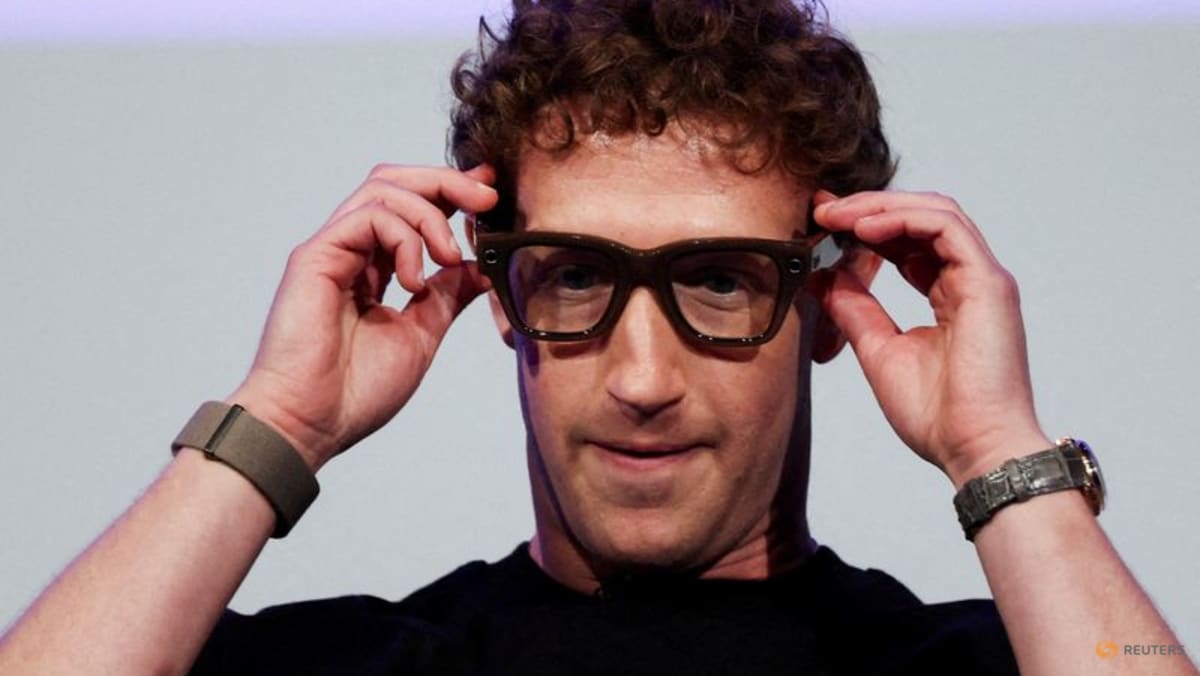
Hans Anders, part of KKR's 776-store Nexeye group, has pulled Meta's Ray-Ban smart glasses in the Netherlands and Belgium over privacy concerns. The chain says sales were limited, so stepping away from the Dutch privacy fight cost it little.
The Investor · Invest desk
What happened
- Nexeye had stocked the glasses only in the Netherlands and Belgium, so its stores in Germany, Austria and Sweden never carried them.
- Hans Anders said the glasses had sold in limited volumes and had not been widely purchased.
- The Dutch Data Protection Authority warned last month that smart-glasses footage of identifiable people generally cannot be shared or published without consent.
- Consumentenbond said this week it would take Meta to court unless the glasses are changed to comply with privacy law.
- The Dutch lower house of parliament has called for a ban on the devices.
Compiled by The InvestorSomething wrong?How this is made
Why it matters
- cost Because sales were small, the suspension costs Hans Anders little, while Meta and EssilorLuxottica lose a large chain's shelf space in two markets.
- decision Hans Anders has made restocking depend on how the Dutch debate resolves, so Meta's access to its shelves now turns on politics and courts more than on customer demand.
- precedent CNA reported it as one of the first retailer delistings, so other European chains with small glasses sales now have a named example to cite if they step back.
With both of its stocking countries suspended [1], Nexeye, the KKR-owned parent [2], now sells Meta's glasses in none of the five countries where its 776 stores operate [3] [1]. The sources do not give a store count for the Netherlands and Belgium alone. That makes 776 an upper bound on the shelves that lost the product.
Hans Anders listed the glasses from 419 euros [6]. The chain explained the move in political terms. "This decision follows the ongoing public and political debate surrounding smart glasses and the questions being raised about the conditions under which this technology can be used," a company spokesperson said [7]. The glasses are gone from its stores and its website [8].
So far, Dutch regulatory action covers what people do with the glasses. The Data Protection Authority's warning is about sharing and publishing footage of identifiable people [9], and it does not restrict sale. The pressure to stop selling comes from campaigners. On Friday the anti-abuse group Offlimits asked Meta and EssilorLuxottica to withdraw the glasses voluntarily until covert recording can be made technically impossible [12]. EssilorLuxottica could not immediately be reached for comment [19].
Meta said it is still developing the glasses [14]. "Every pair with a camera has a bright light on the front that blinks when you take a photo or video," a Meta spokesperson said, and "it can't be turned off, and the camera is disabled if someone covers or tampers with it" [13]. Scrutiny has centred on that light. Meta has permanently disabled cameras on thousands of pairs after users altered or destroyed the LED, and has threatened litigation against people selling tampering services [15]. Outside the Netherlands, the pressure has so far fallen on use. Wetherspoon restricts the glasses in its British pubs, and Meta and EssilorLuxottica face a US suit alleging that human annotators watched footage recorded without the subjects' knowledge [17].
From here the suspension can spread to other chains, harden through a court case, or lapse. If Consumentenbond sued and won changes to the glasses [10], the shelf question would become a design question for Meta. A second Dutch or Belgian delisting would show that the caution is shared, and that this was more than one owner's housekeeping. And if the debate settles, Hans Anders has left itself room to restock [18].
I think the evidence supports a narrower claim than European retail turning against the category: so far, one chain has withdrawn the product in two countries. The counter-case is that going first is the hard part, and one of the largest Dutch eyewear chains [1] has now done it. That case gains weight if a retailer that reports meaningful smart-glasses volume pulls them, or if a chain outside the Netherlands and Belgium follows.
What to watch
- Whether Consumentenbond files its threatened suit against Meta, and which changes to the glasses it asks a Dutch court to order.
- Whether the Dutch lower house's call for a ban turns into a government measure that restricts sale, which the regulator's warning so far does not.