Product1 publisher3 min readPublished
The Mali G2-Ultra NX is on sale in mainland China now, but Arm says super sampling comes first, frame generation in early 2027 and denoising after that, so Android teams get the render path well before the full payoff.
The Product Desk · Product desk

Compiled by The Product DeskSomething wrong?How this is made
The silicon is on sale [1], and Android rendering teams face a calendar problem before a technical one. Of the three techniques Arm quotes its headline number against, one is available to the first titles, frame generation lands in early 2027, and denoising follows that [5][7]. The plumbing work is now; most of the feature set is later.
Arm claims up to four times the framerate with neural super sampling, frame rate upscaling and denoising running together [5]. The Verge reports that half of that comes from frames the phone imagines between real ones, and that frame generation as shipped by Nvidia, AMD and Intel normally costs latency [6]. Strip the invented frames out and the portion that reduces actual rendering work is closer to two times [3]. Two times is still a lot of pixels you no longer have to draw, and it is the figure a schedule can survive.
The conventional part of the chip is having an ordinary year. The 85 percent uplift Arm quotes is measured against the GPU Xiaomi shipped previously; against Arm's own last flagship, non-AI gaming improves by 14 percent [3]. The neural path is the product here, not the raster gain.
Heat is where this either works or does not. Arm's Chris Bergey puts a whole phone running these chips at no more than 2.5 watts, with 1.5 of that for the GPU [8], which leaves a single watt for the display, the radios and everything else [2]. He describes the practical result as 1080p at 60fps for three hours where it used to be 30 minutes [9], a sixfold increase in session length [1]. Xiaomi is separately showing the Pad 9 Pro Max, which pairs the same GPU with a larger battery and more surface area for cooling, at 3.2K and 120fps [11].
Every one of those figures is Arm's or Xiaomi's. The Verge's report names no shipping game using the neural path and carries no third-party measurement of the claimed framerates or the power budget [14]. Bergey's own framing is that this is mainstream, not overclocking, and that AI will replace traditional rendering anywhere it can [13], which is a statement about intent rather than about install base.
Super sampling reduces the pixels you render, which converts directly into watts and session length, and it is the tier that exists today [7]. Frame generation shortens the interval between displayed frames without reducing the work behind them, and pays for that in latency [6], so in a competitive shooter it is a cost wearing a framerate number. Denoising only pays if you already ship ray-traced lighting. A title that throttles thermally after twenty minutes has a reason to do the super sampling integration for one device family this year and treat the rest as future work. A title where input latency is the product should read Arm's four times as roughly two times [3] and price the integration against a device population that, for now, is one foldable and one tablet in one market [1][11].
Ranked by verification strength, evidence, and original report placement.
The Verge's report names no shipping game title using Arm's neural graphics techniques and contains no third-party measurement of the claimed framerate or power figures, which are Arm's and Xiaomi's own.
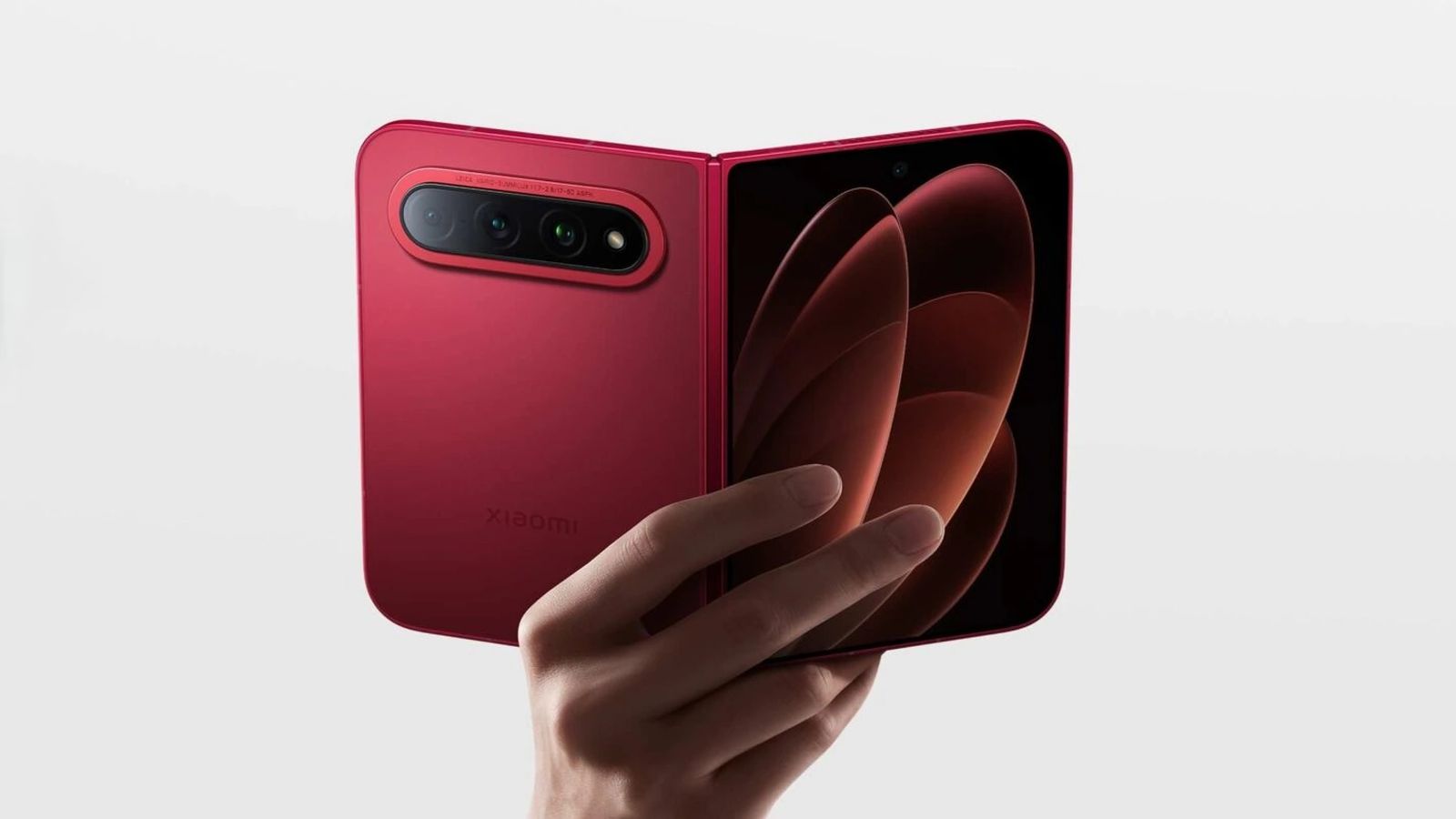
The Xiaomi 18 Fold launches in mainland China with an Arm Mali G2-Ultra NX graphics processor inside Xiaomi's custom Xring O3 chip, putting Arm's AI gaming graphics accelerator inside a shipping GPU after five years of development.
Arm's Chris Bergey, EVP of Edge AI, told The Verge that buyers will be able to get the technology in phones next year and in larger screen devices including tablets or Chromebooks, and hinted that some of Google's upcoming Googlebooks might use it.
The Mali G2-Ultra NX enables hardware-accelerated techniques Arm groups as 'neural graphics', including AI upscaling, frame generation and ray reconstruction similar to Nvidia's DLSS 4.5.
The Verge reports that half of the claimed boost comes from the phone imagining new frames between existing ones, and that when Nvidia, AMD and Intel do frame generation it typically comes with the cost of additional latency.
Bergey says the first titles will largely be super sampling, with frame generation coming in early 2027 and denoising soon after that.
Follow any of these and your For You feed starts watching them — no settings page required.
Evidence-backed comparisons of source perspectives and observed adoption signals. Read the methodology
Which Builder, Operator, and Investor concerns the observed source mix emphasized—not a truth score.
Evidence, demonstrated adoption, hype gap, incentives, and confidence are assessed independently, each on its own current evidence. How these are measured.
Real silicon, first-party numbers
The hardware part is checkable: a phone is on sale in China with the GPU in it, and The Verge reports that directly. Everything that makes the story interesting - 85 percent, four times, 2.5 watts, three hours - traces to Arm's Chris Bergey or a Xiaomi demonstration, and no one outside those two companies has measured any of it.
One phone, one market, one technique live
A single foldable in mainland China, a tablet on demonstration, and three titles that have committed to the accelerator. Of the three techniques the fourfold claim depends on, only super sampling is something developers can ship against now; frame generation is dated to early 2027 and denoising later still, and broader device availability is a promise for next year.
Fourfold headline, single-technique reality
Arm's four-times figure needs super sampling, frame rate upscaling and denoising running together, and two of those are not shipping. The Verge does the subtraction Arm's framing avoids: half the gain is invented frames, which elsewhere costs latency, so the part that comes from rendering less real work is about double. The DLSS comparison also does more work for Arm than the feature set currently earns, since the piece notes Arm's neural graphics does not yet mean what Nvidia means by it.
The licensor is the only source
Arm licenses the GPU this story is about and needs Android game teams designing for it a year before the frame generation half exists, which is exactly what an interview built on 'this is mainstream' and a DLSS analogy accomplishes. Xiaomi, whose own Xring O3 carries the part, supplies the tablet numbers and benefits from them looking good. Neither has an incentive to publish a latency measurement, and neither does.
Firm on what shipped, thin on what it does
We are confident the device, the chip and Arm's stated schedule are as reported; The Verge has the executive on the record and quotes him precisely. Confidence drops on the performance and power picture, which no second publisher has examined and no test has touched.
build
Inco AI's DFlash 2: 21% longer accepted drafts for 1.3% latency and 18.5M parameters1 publisher
build
1.5% of Hugging Face repos take 99.2% of downloads, and the ceiling is Chinese1 publisher
invest
Huawei and Xiaomi bracket Apple's expected foldable price from both sides4 publishers
security
Washington names industrial-scale distillation, then hands the detection bill to abuse teams1 publisher
Publishers with included, body-backed reporting in this cluster.
1 article · September 7, 2026