BuildIndependently confirmed2 publishers3 min readPublished
AWS buys DuckDB's engineers; the Foundation keeps the license
The MIT-licensed projects stay with the DuckDB Foundation, but the more than 30 people who write them would sit on AWS's payroll. No reporting line has been published.
The Engineer · Build desk
What happened
- DuckDB's two creators agreed to sell their bootstrapped company DuckLabs to AWS, with closing expected in early September subject to customary conditions.
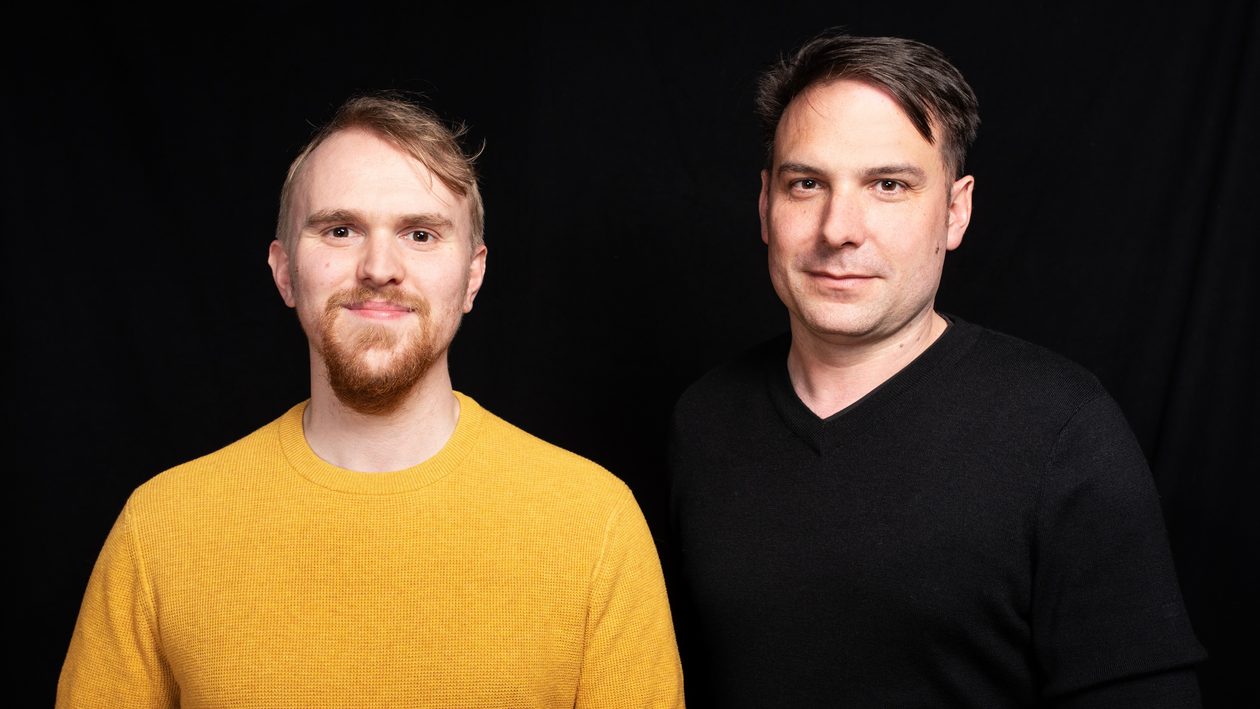
- The more than 30 staff stay together in Amsterdam and become AWS employees if the deal closes, with the founders still leading DuckDB's technical direction.
- The DuckDB Foundation keeps stewardship of DuckDB, DuckLake and Quack, all remaining free and open source under the MIT license.
- Neither announcement gives a purchase price or says who the founders will report to after closing.
Why it matters
- constraint Stewardship without a payroll means the Foundation's strongest sanction is a fork, and a fork needs engineers it would have to fund from somewhere other than DuckLabs.
- decision Companies that used to buy DuckDB feature work from a 30-person shop have to decide whether to take the same request to a cloud vendor's contracting process.
- exposure Anyone embedding DuckDB in a product cannot see who arbitrates its priorities, because the post-closing reporting line has not been published.
A foundation that holds a license and a company that holds a payroll are two different kinds of control over a codebase, and only one of them is changing hands. DuckDB, DuckLake and Quack stay with the DuckDB Foundation under the MIT license [5], so code already published cannot be pulled back or relicensed away from the people using it [15]. What AWS would buy, if the deal closes, is the employment of the more than 30 people who decide what gets written next [3], plus the continued technical leadership of the two researchers who started the project at CWI in 2018 [4][7].
The money says more about governance than the license does. DuckLabs was created in 2021 because contracts for feature development were showing up [10], and its revenue was enterprise support, technical advice, feature development and engineering partnerships [11]. Paid feature work is a roadmap channel, and it was open to anyone with a budget. Inside AWS that channel becomes an internal allocation decision, arbitrated by someone the announcements do not name, at a price they also do not state [6]. Runtimewire frames the test as whether the roadmap stays broadly governed once AWS employs the core team [14]. The material needed to answer it has not been published.
There is one useful precedent in the work already done. The March 2025 integration gave DuckDB support for Amazon S3 Tables through Apache Iceberg REST catalogs [8], and that is a published interface rather than a private one, so effort spent against it is reusable by anything else implementing the same spec. That is the shape of AWS-funded roadmap work that costs non-AWS users nothing. The shape that would cost them something is a capability that only resolves against AWS endpoints.
The track record being used to justify the deal does not have one agreed length. AWS dates the technical relationship to 2024 [16], DuckLabs described more than a year of collaboration [17], and Andy Warfield, an AWS vice president and distinguished engineer, put it at roughly two years [18]. Those reconcile only if the work began in the opening weeks of 2024, because an August 26 announcement leaves about twenty months at the outside [19]. A small gap, but the collaboration history is doing argumentative work here.
The bottleneck the founders described was commercial rather than technical: they did not want DuckLabs standing in the way of companies building businesses on DuckDB [13], and AWS answers that with a customer base, infrastructure and a support organisation they were never going to build themselves [9]. The demand side looks real, though the figure they cite, more than a million downloads a day, is company-supplied and the announcement does not say how it was measured [12]. What remains unresolved is the Foundation's position. Its strongest lever is that a fork stays legal [15], and a fork needs funded engineers, which is precisely the asset being sold [3].
What to watch
- Whether the closing announcement names the founders' reporting line and the AWS organisation the Amsterdam group sits under.
- Whether commit rights and DuckDB Foundation board seats are held by maintainers who are not AWS employees.
- Whether post-closing roadmap work keeps parity for non-AWS object stores and catalogs, or lands AWS-only paths first.
Clarity's read
What the record supports and how the coverage leans. The claims behind it follow.
Reality
- Evidence78
- Adoption79
- Hype gap+18
- Incentives76
- Confidence74
Claim ledger
Ranked by verification strength, evidence, and original report placement.
- [1]
Hannes Muehleisen and Mark Raasveldt, the researchers who created DuckDB, agreed to sell their bootstrapped operating company DuckLabs to Amazon Web Services, with the deal expected to close in early September subject to customary conditions.
- [2]
The transaction had not closed as of August 26, and the founders are expected to join AWS at closing.
- [3]
DuckLabs' team of more than 30 people will remain together in Amsterdam, and AWS will employ its engineers if the transaction closes.
- [4]
The founders are expected to continue leading the group and DuckDB's technical direction inside AWS.
- [5]
The DuckDB Foundation will continue to steward DuckDB, DuckLake and Quack, with the projects remaining free and open source under the MIT license.
- [6]
The public announcements do not state a purchase price or describe the founders' post-closing reporting structure.
- [7]
The founders started DuckDB at the Amsterdam research institute CWI in 2018.
- [8]
In March 2025, DuckLabs and AWS collaborated on DuckDB support for Amazon S3 Tables through Apache Iceberg REST catalogs, letting developers query tables stored in AWS services directly from DuckDB.
- [9]
AWS would address that constraint by supplying an existing customer base, infrastructure and a support organization.
- [10]
The founders created DuckLabs in 2021 as commercial contracts for feature development began to appear, and the company remained fully owned by its founders and development team without venture funding.
- [11]
DuckLabs' revenue came from enterprise support, technical advice, feature development and engineering partnerships rather than institutional funding.
- [12]
DuckLabs says the project now records over one million downloads a day, a company-supplied figure whose measurement method was not detailed in the announcement.
- [13]
The founders worried DuckLabs would become a bottleneck for users building businesses on DuckDB, and that expanding sales, infrastructure, support and industry-specific services would pull them away from database engineering.
- [14]
Runtimewire's assessment is that the test of the deal is whether DuckDB's roadmap remains broadly governed once AWS employs the core team.
- [15]
Because the projects remain under the MIT license held by the Foundation, code already published stays usable and forkable regardless of who employs the maintainers.
- [16]
According to AWS, the technical relationship between the parties dates to 2024.
- [17]
DuckLabs said more than a year of collaboration showed how the teams worked together and gave it confidence in the transaction.
- [18]
AWS Vice President and Distinguished Engineer Andy Warfield said the organizations had worked closely for roughly two years.
ReportedContestedSource: Andy Warfield, AWS3 sources— create a free account to open themView cited source - [19]
A collaboration beginning in 2024, as AWS dates it, leaves at most about twenty months before the August 26 announcement, so a description of roughly two years sits at the outer edge of AWS's own timeline.
Sources
2 independent publishers whose own reporting we read for this story.
- aws.amazon.comAWS and DuckLabs: Building the future of analytics together | AWS Big Data Blog
1 article · August 26, 2026
- runtimewire.comDuckLabs agrees to join AWS while DuckDB stays with its foundation
1 article · August 26, 2026
Topics and entities
Follow any of these and your For You feed starts watching them — no settings page required.
Topics
Entities
- MIT LicenseFollow
- Mark RaasveldtFollow
- Centrum Wiskunde & InformaticaFollow
- Amazon Web ServicesFollow
- Amazon QuickFollow
- DuckDB FoundationFollow
- Hannes MuehleisenFollow
- Amazon S3 TablesFollow
- Apache IcebergFollow
- DuckDBFollow
- Allen InstituteFollow
- DuckLakeFollow
- DuckLabsFollow
- Andy WarfieldFollow
- QuackFollow