Creatine restored hippocampal creatine in colitis rats, a University of Seville team reports
University of Seville researchers report that daily creatine restored hippocampal creatine in rats with induced colitis. The work is animal-only, and the team frames creatine as a preventive strategy for gut-brain inflammatory disorders.
The Scientist · Science desk
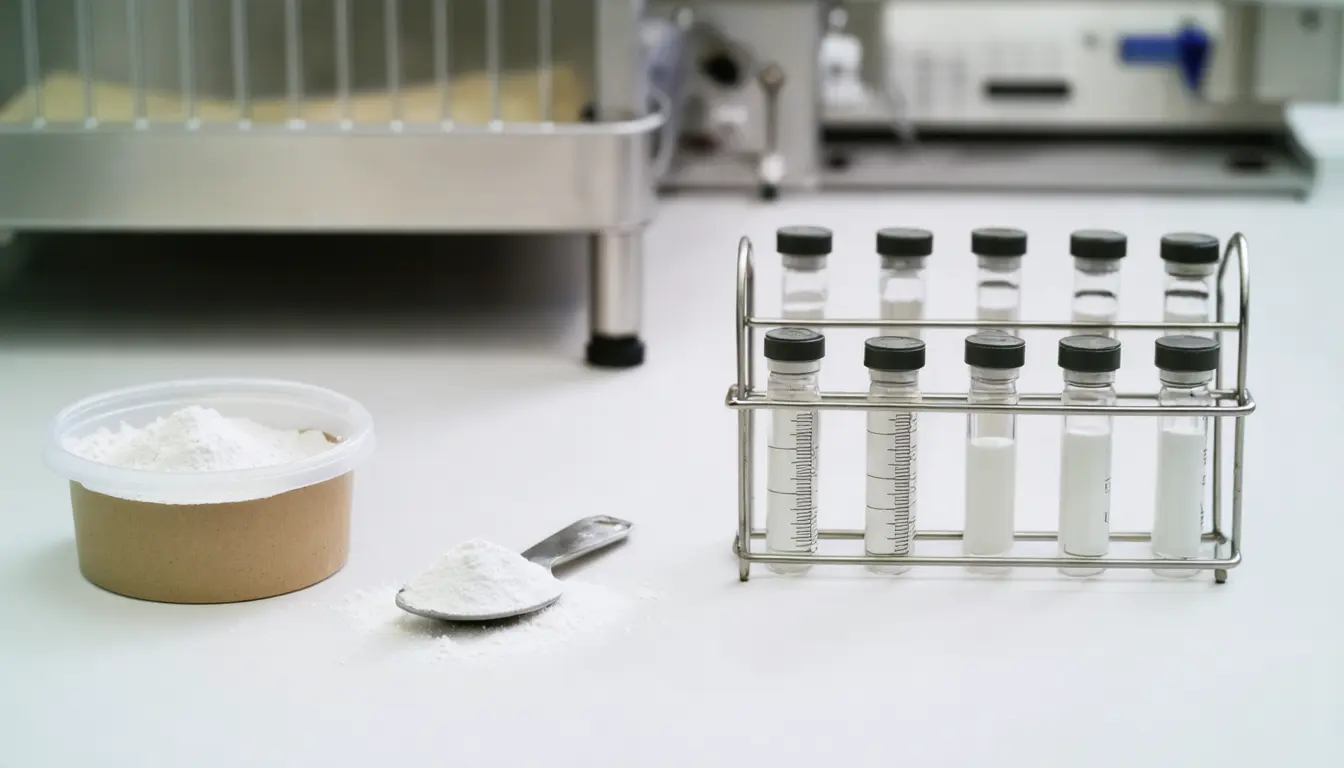
Evidence map. Supported: creatine reduced hippocampal inflammation and neuron damage in colitis rats; no significant hippocampal creatine change in rats without colitis; benefits more apparent in males. Contested: clinical implications and the team's preventive claim.
- Supported In the colitis rats, creatine also reduced inflammation and damage to neurons in the hippocampus., claim 16
- Supported In rats that took creatine but did not have colitis, researchers did not measure a significant change to creatine levels in the hippocampus., claim 4
- Supported The research team found that the benefits of creatine for male rats with colitis were more apparent than for females., claim 6
- Contested The findings are limited to animal models, but the researchers in Spain believe there are clinical implications., claim 18
- Contested The research team concludes that "From a clinical perspective, creatine supplementation emerges as a powerful, complementary and preventive strategy.", claim 17
| Claim | State | Claim number |
|---|---|---|
| In the colitis rats, creatine also reduced inflammation and damage to neurons in the hippocampus. | Supported | 16 |
| In rats that took creatine but did not have colitis, researchers did not measure a significant change to creatine levels in the hippocampus. | Supported | 4 |
| The research team found that the benefits of creatine for male rats with colitis were more apparent than for females. | Supported | 6 |
| The findings are limited to animal models, but the researchers in Spain believe there are clinical implications. | Contested | 18 |
| The research team concludes that "From a clinical perspective, creatine supplementation emerges as a powerful, complementary and preventive strategy." | Contested | 17 |
What happened
- Colitis was induced 10 days after the creatine began, and the daily dose continued for the rest of the experiment.
- In the colitis rats, creatine also reduced inflammation and damage to neurons in the hippocampus.
- The benefits were more apparent in male rats with colitis than in females.
- Earlier rat studies had shown colitis raises hippocampal inflammation; this work extends that to damage and dysfunction in hippocampal neurons.
Why it matters
- decision Any follow-up has to choose between dosing before onset and dosing during a flare, and this rat design covers only dosing before onset.
- contradiction The team calls creatine a "powerful" preventive strategy for patients, but the evidence is one rat model, and ScienceAlert notes the wider idea of creatine benefits beyond muscle remains contentious.
- constraint Patients in active bowel disease report brain fog and memory loss. The rat markers are hippocampal creatine, neuronal integrity and excitability, so symptom relief is an extrapolation.
In our view the most informative comparison in the Brain, Behavior, and Immunity paper is the creatine-only group [1]. Rats that took creatine without colitis showed no significant change in hippocampal creatine [4]. In the colitic rats, the authors wrote that "The supplementation restored hippocampal creatine levels, preserved neuronal integrity, and normalized impaired excitability" [14]. That fits a deficit being refilled: the word is "restored", which implies colitis had lowered the level first.
The dose needs care before anyone reads it across to people. The rats drank water containing 1 gram of creatine per kilogram of body weight [2]. The human figure in the same account is a daily total, since a typical omnivorous diet supplies about 1 to 2 grams a day [10]. The two use different units. The ScienceAlert account does not report group sizes, a human-equivalent dose, or whether the rats were tested on memory.
The thing this doesn't tell you is whether creatine acted on the brain directly. Last year, according to ScienceAlert, some of the same researchers reported that giving rodents creatine lessened inflammation in the gut and cut the damage the disease did to the intestine [8]. A calmer gut could account for part of the hippocampal benefit. Separating the two would take an experiment in which the gut stays inflamed and the brain still receives creatine.
ScienceAlert says the larger effect in males is probably because colitis-related brain damage seems to be worse in males [7]. If that is right, males had more damage to correct, and the sex difference says as much about baseline injury as about the supplement.
Why creatine would help at all is only partly understood. It can cross the blood-brain barrier and be taken up by neurons and other brain cells, but ScienceAlert notes that what it does once it is in the central nervous system is less clear [11].
What to watch
- A test of creatine started after colitis is induced, which would speak to treatment of an active flare.
- An experiment that separates a direct brain effect from the gut-inflammation reduction the same group reported earlier.
- A human study in inflammatory bowel disease patients that scores memory and attention, the symptoms patients actually report.
Clarity's read
What the record supports and how the coverage leans. The claims behind it follow.
Reality
- Evidence35
- Adoption
- Insufficient
- Hype gap+30
- Incentives
- Insufficient
- Confidence40
Claim ledger
Ranked by verification strength, evidence, and original report placement.
- [1]
The findings were published in Brain, Behavior, and Immunity, from a team led by neurophysiologists Alejandro Ruiz-Calero and Maria Ortego-Domínguez at the University of Seville in Spain.
- [2]
In the experiments, some rats were given water containing one gram of creatine per kilogram of their body weight.
- [3]
Ten days after creatine dosing began, the scientists induced symptoms of colitis, and the daily creatine dose continued for the rest of the experiment.
- [4]
In rats that took creatine but did not have colitis, researchers did not measure a significant change to creatine levels in the hippocampus.
- [5]
When rats with gut inflammation took creatine daily, the supplement restored creatine levels in their hippocampus.
- [6]
The research team found that the benefits of creatine for male rats with colitis were more apparent than for females.
- [7]
ScienceAlert says the larger benefit in males is probably because, in males, the brain damage associated with colitis seems to be worse than in the opposite sex.
- [8]
Last year, some of the same researchers found that creatine supplementation in rodents reduced gut inflammation and disease-related damage within the intestine.
- [9]
When inflammatory bowel disease flares up and is considered active, patients often report brain fog, and display memory loss, attention deficits, and declining executive functions.
- [10]
For humans, a typical omnivorous diet involves about 1 to 2 grams of creatine a day.
- [11]
Creatine can cross the blood-brain barrier and be taken up by neurons and other brain cells, but what it does once it is in the central nervous system is less clear.
- [12]
Preliminary evidence suggests creatine could have benefits for many parts of the body and brain even without exercise, an idea ScienceAlert says remains contentious.
- [13]
In rats with colitis, previous studies have shown the disease leads to greater inflammation in the hippocampus; the Spanish researchers extended this by showing gut inflammation can also lead to damage and dysfunction within hippocampal neurons.
- [14]
"The supplementation restored hippocampal creatine levels, preserved neuronal integrity, and normalized impaired excitability," the authors conclude.
- [15]
In rats with colitis, creatine improved several markers of healthy brain activity.
- [16]
In the colitis rats, creatine also reduced inflammation and damage to neurons in the hippocampus.
- [17]
The research team concludes that "From a clinical perspective, creatine supplementation emerges as a powerful, complementary and preventive strategy."
- [18]
The findings are limited to animal models, but the researchers in Spain believe there are clinical implications.
Get this ledger inside ChatGPT. Ask about any of our stories and the answer brings its figure, each claim’s verdict and the sources. Free, no account.
Sources
1 independent publisher whose own reporting we read for this story.
- sciencealert.comCreatine Could Protect The Brain From Gut Inflammation
1 article · October 14, 2026
Topics and entities
Follow any of these and your For You feed starts watching them — no settings page required.