First new US sunscreen filter in 25 years reaches shelves in Neutrogena formulas
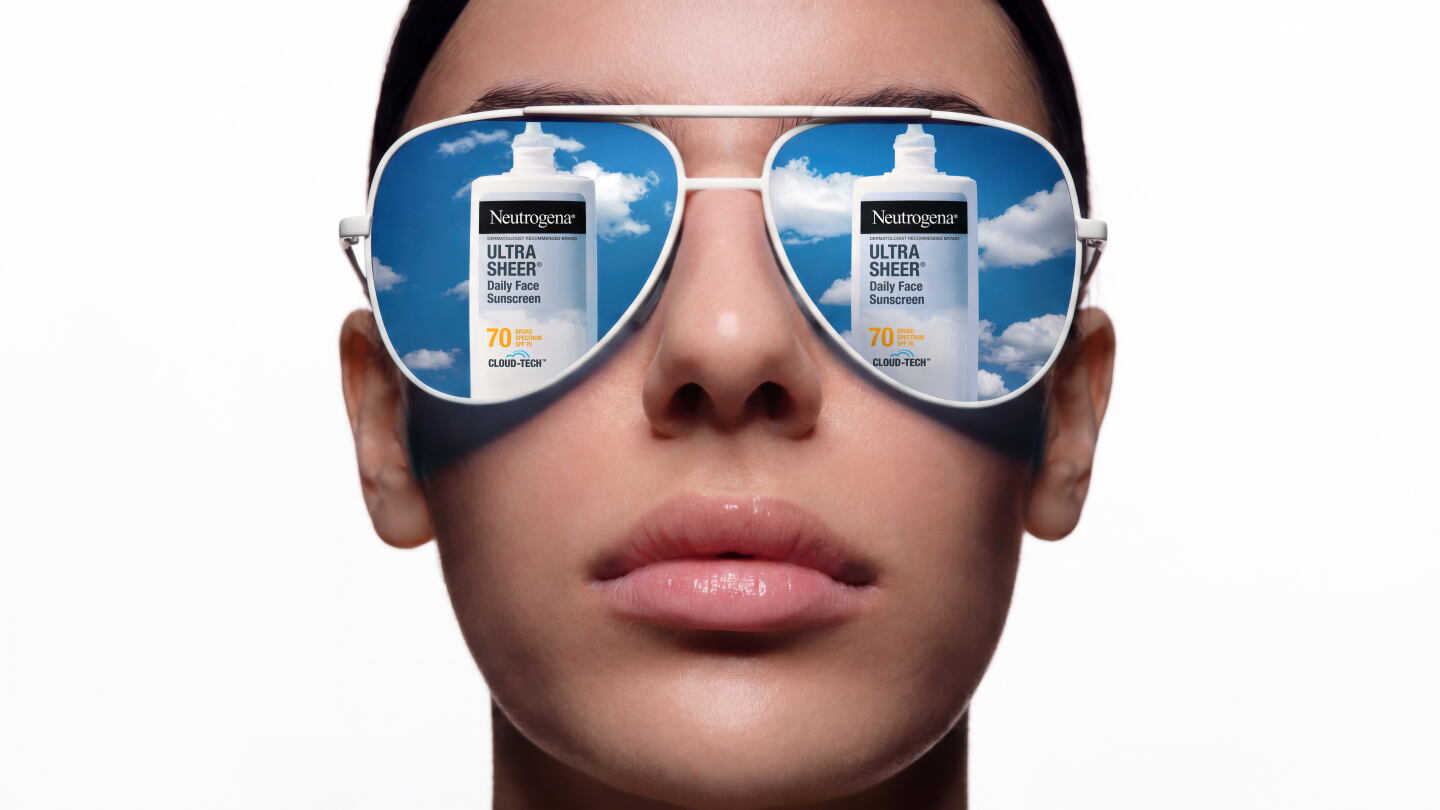
Neutrogena and other makers are selling sunscreens with bemotrizinol, the first new US filter in over 25 years, after FDA approval in June. Dermatologists see a technical edge. No prices or sales figures have been published yet.
The Investor · Invest desk
Key figures: the FDA reviewed BEMT studies in more than 500 patients, with skin absorption nearly undetectable; people used it daily for up to 3 weeks with no irritation or allergic reactions; 3 ingredients now carry the safe-and-effective designation: zinc oxide, titanium dioxide and BEMT.
| Figure | Value | Note | Claim |
|---|---|---|---|
| Patients in BEMT studies the FDA reviewed, over | 500 patients | 5 | |
| Daily use studied, up to | 3 weeks | 6 | |
| Ingredients rated safe and effective by FDA | 3 ingredients | zinc oxide, titanium dioxide, BEMT | 14 |
What happened
- The FDA reviewed DSM Nutritional Products studies in more than 500 patients and found levels absorbed into the skin nearly undetectable.
- In people using it daily for up to three weeks, agency reviewers found no irritation or allergic reactions, and the FDA rated it generally recognized as safe and effective.
- More than a dozen other sunscreen ingredients still in US use will need additional evidence of safety and effectiveness, the FDA has said.
Why it matters
- capability Brands can now offer one chemical filter with UVA and UVB cover to buyers who skip mineral products over white streaking or texture.
- constraint Neutrogena shares the shelf with other makers from launch, so any formulation edge starts as a shared one and has to be defended on texture and price.
- exposure Lines built on the dozen-plus filters still awaiting evidence sit behind a regulator that has already pulled oxybenzone, and BEMT is the only new name that has cleared.
BEMT is the first chemical-based sunscreen in the US that gives both UVA and UVB protection, and before it, manufacturers had to mix several ingredients to get there [4]. David Andrews, chief science officer of the Environmental Working Group, said "This ingredient provides a solution for what is currently a big gap with respect to providing strong UVA protection" [11]. In our view that makes the gap something a brand can sell into, and the target buyers are visible in the report: mineral formulas protect well, but some people, particularly those with darker complexions, avoid them over white streaking and discoloration, and others dislike the texture [9]. The report does not size that group, price the new formulas, or say how many units Neutrogena and the others have shipped.
Whether the edge lasts is a separate question, and the evidence leans toward a short one. Neutrogena is not alone on the shelf, since formulas from other manufacturers arrived with it [2]. The FDA's safe-and-effective designation covers the ingredient itself [6], and the safety studies behind it, in more than 500 patients, were run by the Dutch manufacturer DSM Nutritional Products [5]. If supply is not constrained, a head start shared by several makers on day one is worth little beyond early shelf placement, and we'd expect competition to move to texture and price.
It could play out differently. Neutrogena may keep its lead on distribution and name recognition, which would make us wrong about the speed. Or the FDA may clear more filters: it has said more than a dozen other ingredients in use need additional evidence [8], against three that the report names as carrying the safe-and-effective designation [14]. A second cleared chemical filter would narrow the gap Andrews describes.
Dr. Jennifer Stein, a dermatologist at NYU Langone Health, said "It's not a brand-new ingredient that you're going to be the first person to try" [10]. The FDA review is part of an overhaul of US sunscreen ingredients that began in 2019 [13], and approval followed studies showing nearly undetectable absorption [5] and no irritation in daily use for up to three weeks [6]. The agency also revoked approval of oxybenzone last month, after finding it was "absorbed through the skin to a greater extent than previously understood" [7].
We would change our view if BEMT formulas hold a price premium after a second and third maker's launch.
What to watch
- Whether the FDA clears any of the dozen-plus ingredients that still need additional evidence, which would narrow BEMT's gap.
- Which other manufacturers launch BEMT formulas, and at what price against mineral and older chemical sunscreens.
- Whether supply of BEMT is limited, given that the safety studies came from one named manufacturer, DSM Nutritional Products.
Clarity's read
What the record supports and how the coverage leans. The claims behind it follow.
Reality
- Evidence68
- Adoption
- Insufficient
- Hype gap−5
- Incentives
- Insufficient
- Confidence65
Claim ledger
Ranked by verification strength, evidence, and original report placement.
- [1]
The FDA approved bemotrizinol, sometimes called BEMT, in June.
- [2]
The first sunscreens containing BEMT are now hitting US store shelves, including formulas from Neutrogena and other manufacturers.
- [3]
It is the first new sunscreen option for Americans in more than a quarter-century.
- [4]
BEMT is the first chemical-based sunscreen in the US that offers both UVA and UVB protection; previously, manufacturers had to mix multiple ingredients to protect against both.
- [5]
The FDA reviewed studies of BEMT in more than 500 patients conducted by Dutch manufacturer DSM Nutritional Products; levels of the chemical absorbed into the skin were nearly undetectable.
- [6]
Agency reviewers said research in people who used the sunscreen daily for up to three weeks showed BEMT did not cause irritation or allergic reactions, and the FDA designated the ingredient as generally recognized as safe and effective, alongside the mineral ingredients zinc oxide and titanium dioxide.
- [7]
Last month the FDA revoked approval of the older chemical ingredient oxybenzone after determining it was 'absorbed through the skin to a greater extent than previously understood.'
- [8]
More than a dozen other ingredients are currently used in US sunscreens, but the FDA has said they will require additional evidence to support their safety and effectiveness.
- [9]
Mineral sunscreens offer strong protection, but some people, particularly those with darker complexions, tend to avoid them because they cause white streaking and discoloration; others dislike their texture or consistency.
- [10]
"It's not a brand-new ingredient that you're going to be the first person to try," said Dr. Jennifer Stein, a dermatologist at NYU Langone Health.
- [11]
"This ingredient provides a solution for what is currently a big gap with respect to providing strong UVA protection," said David Andrews, chief science officer of the Environmental Working Group.
- [12]
Dermatologists say the chemical fills an important market gap by offering broad protection without the cosmetic downsides of the best-established ingredients, including white streaking.
- [13]
The FDA review is part of an ongoing effort to overhaul US sunscreen ingredients that kicked off in 2019.
- [14]
The report names three ingredients carrying the FDA's safe-and-effective designation (zinc oxide, titanium dioxide, BEMT), against more than a dozen others that still need additional evidence.
Get this ledger inside ChatGPT. Ask about any of our stories and the answer brings its figure, each claim’s verdict and the sources. Free, no account.
Sources
1 independent publisher whose own reporting we read for this story.
- abcnews.comThe first new sunscreen type in 25 years has arrived on US store shelves
1 article · October 14, 2026
Topics and entities
Follow any of these and your For You feed starts watching them — no settings page required.