Invest1 publisher2 min readPublished
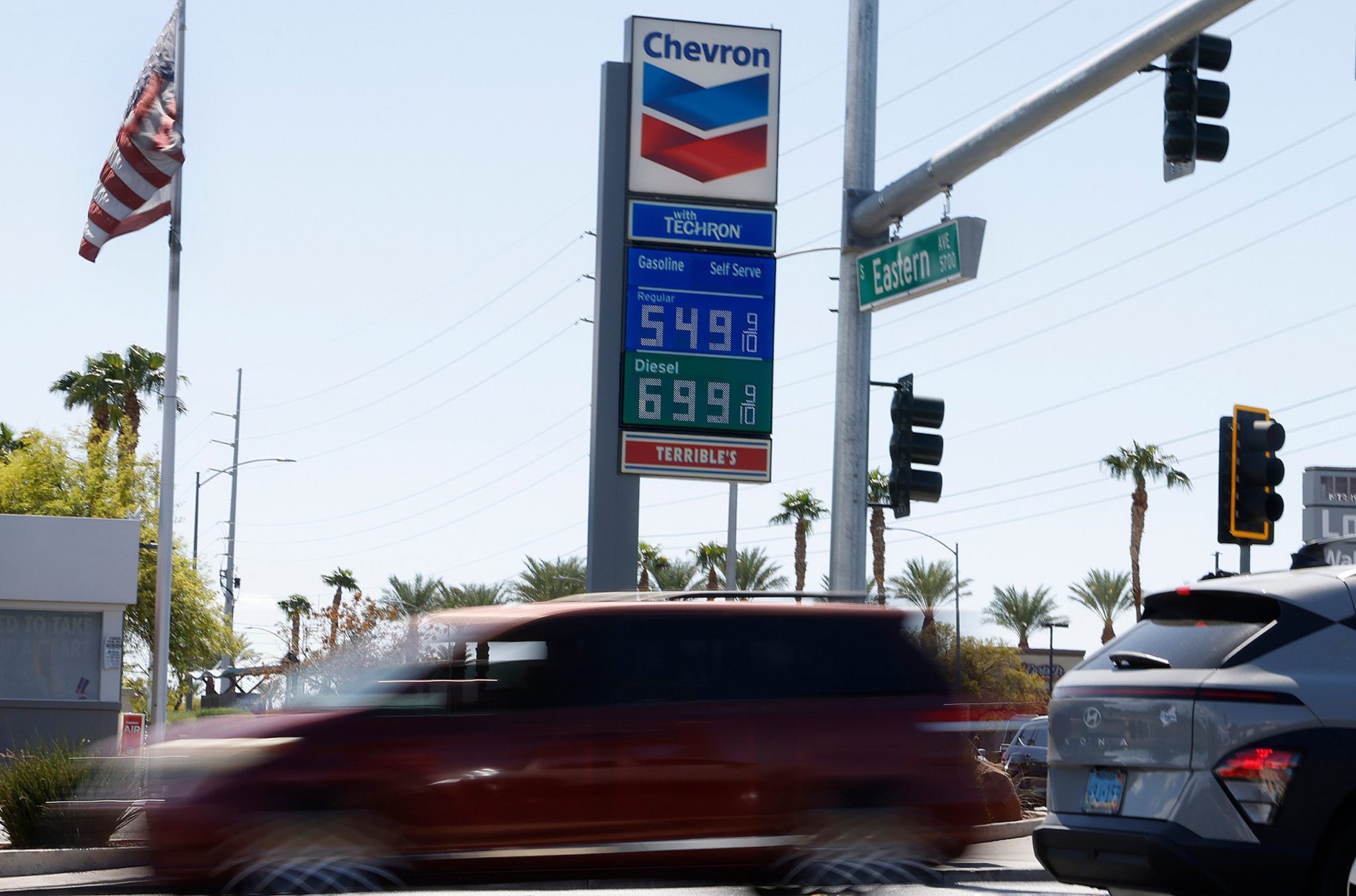
Drivers pay 40 cents more a gallon in the month prices usually fall
The national average hit $4.48 on Friday, $1.27 above last September, and the drivers Fortune interviewed describe trading groceries for fuel even as two of them say they will still vote Republican.
The Investor · Invest desk
What happened
- Quinten Martinez, a 28-year-old Amazon delivery driver in South Texas, described weighing whether his money goes to groceries for the week or into the tank he needs to get to work.
- Dan Lloyd, a Trump voter paying $4.39 a gallon in Mesa, Arizona, said the president hurt himself by entering the war, and still expects to vote Republican in the midterms.
- Early voting is under way seven weeks before the November midterms, and the party holding the White House has historically suffered major losses in them.
Compiled by The InvestorSomething wrong?How this is made
Why it matters
- exposure Service operators running diesel equipment are buying fuel at $6.79 a gallon, 51.6% over the gasoline average, so the increase reaches business cost lines and not only commuting budgets.
- decision Republican candidates with seven weeks of campaigning left have to decide whether to echo the president's account of what the price buys or run their own case on affordability.
- constraint The case for a consumer-discretionary hit rests on voter interviews, and the national polling in the report is described without figures, so nobody can size the demand effect from this evidence.
Last September the national average was $3.21 a gallon, so Friday's $4.48 is 39.6% dearer than a year ago [1][1]. The pace is the more interesting number this close to an election. Forty cents a month is about 9.3 cents a week, and seven more weeks at that rate would put the average near $5.13; at the 17 cents AAA logged last week, $5.67 [1][2][3]. Both are extrapolations of a reported pace, not forecasts.
Asked about the president's position on the cost, Quinten Martinez said, "I don't feel like it's a good trade-off." He added, "I don't feel like this is good for anyone." [6]
Trump, campaigning in North Carolina on Wednesday, said of the war, "You have a little higher. It's a very inexpensive price to pay for what we've done" [2], and went on, "It's a little more. Frankly, even if it was a lot more" [3]. Chris Wilson, a veteran Republican strategist quoted in the same report, said, "Gas prices matter because they're one of the few economic indicators voters experience and see in real time" [4].
The vote does not follow the price in a straight line, at least not in these interviews. Fortune reports that Democrats and independents were especially motivated to punish Republicans at the ballot box, while some of Trump's working-class supporters said they would back Republicans this fall even if they were unhappy with his leadership on the economy [16]. Dan Lloyd, a 63-year-old carpenter who voted for Trump, paid $4.39 in Mesa, Arizona, nine cents under the national average [7][5], and said of the president, "He hurt himself stepping into this" [8]. He still expects to vote Republican. "I think the Democratic Party has lost its way," Lloyd said [9].
Kristin Jimenez, 52, who runs a small business in Edinburg, Texas, filled a Mercedes and said gas prices are not part of her calculation [10]. "We don't mind paying $8 for a cup of coffee at Starbucks, but we have a problem paying four bucks at the pump?" she said [11].
In my view the fuel line in a household or a small operator's budget is what this material lets an investor price, and the four drivers named in the account will not size a swing in consumer spending [6]. The counter case is seasonal, and it comes from the report itself: prices are moving sharply in the wrong direction at a time of year when drivers typically get some relief [15]. If that relief arrives on schedule, the 40-cent month unwinds before early voting ends.
What to watch
- Whether AAA's weekly average keeps adding 17 cents or turns down into the usual autumn decline before early voting closes.
- Category retail sales for the months covering the 40-cent move, the test of whether grocery baskets actually shrank.
- Publication of figures from the national polling the report cites, including any breakout on gas prices.